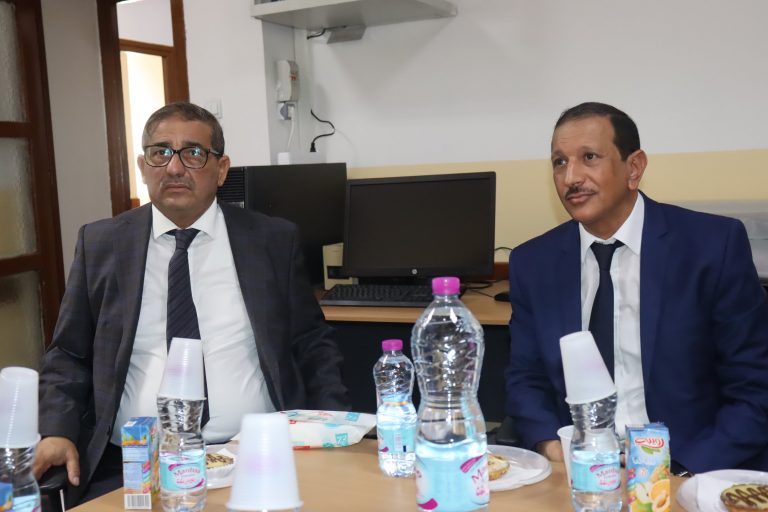
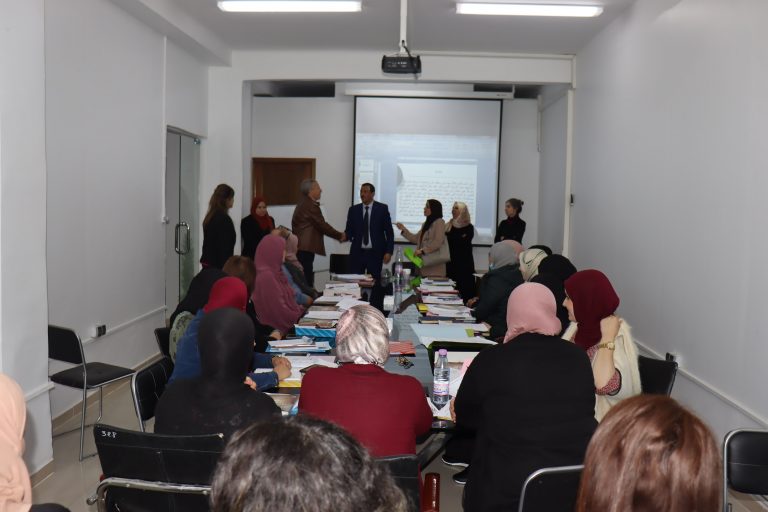
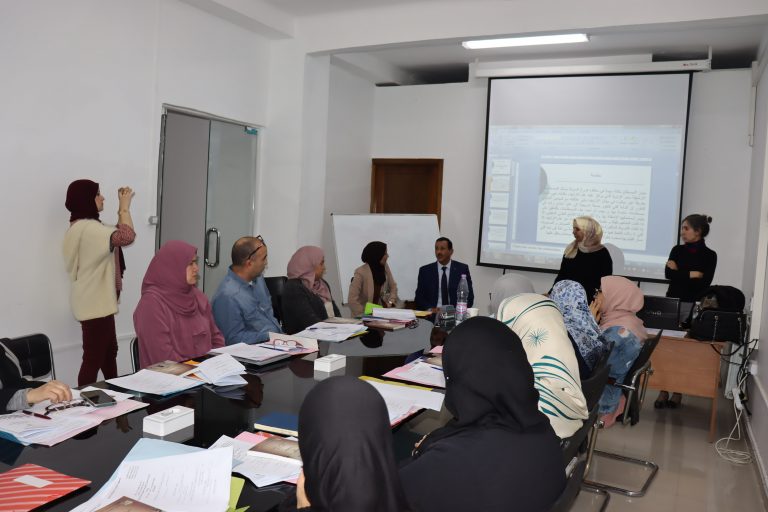
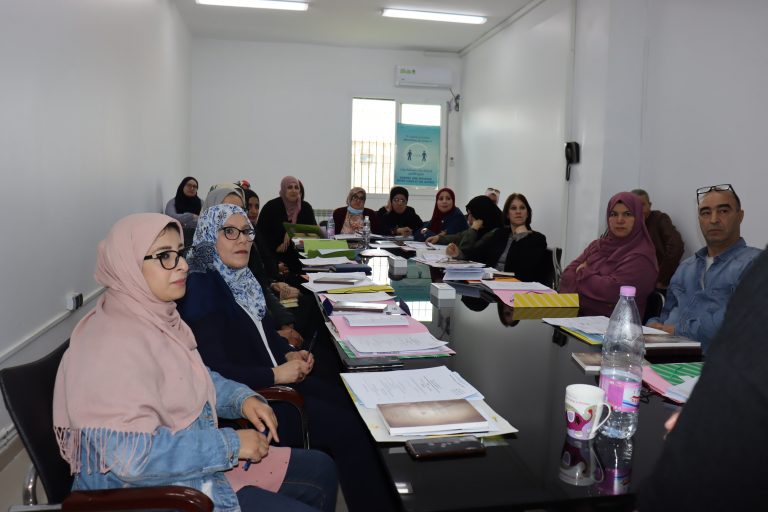
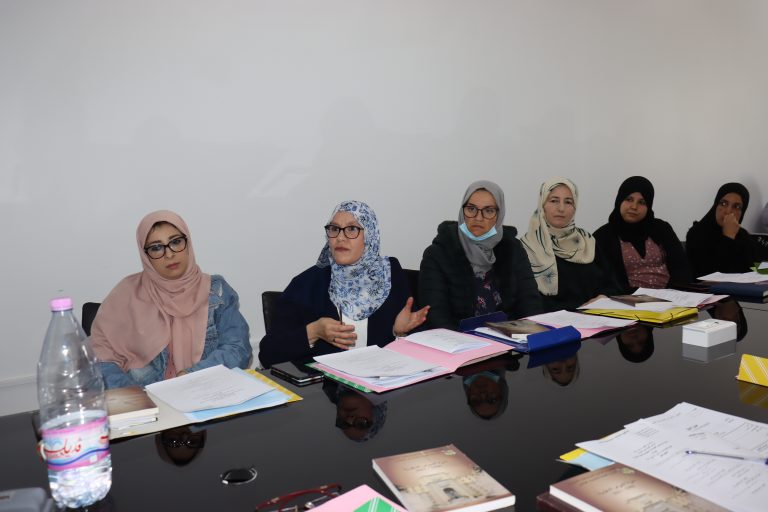
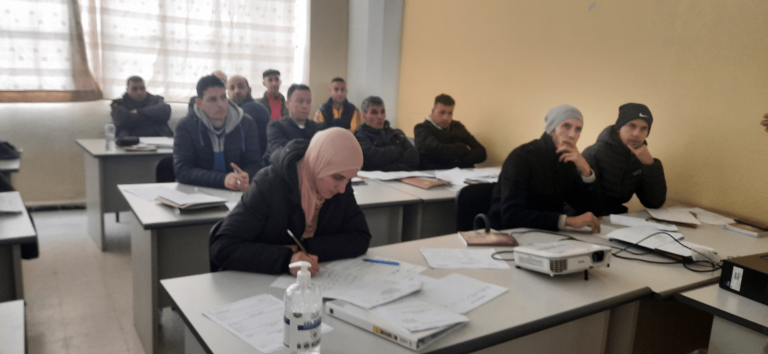
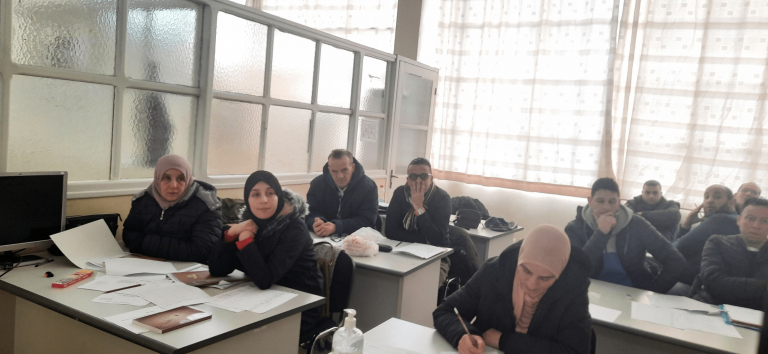
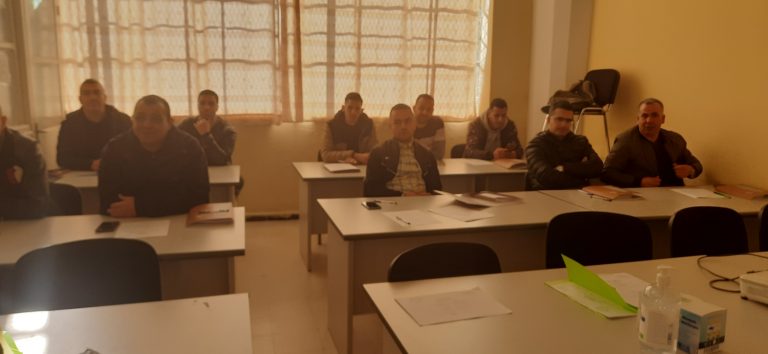
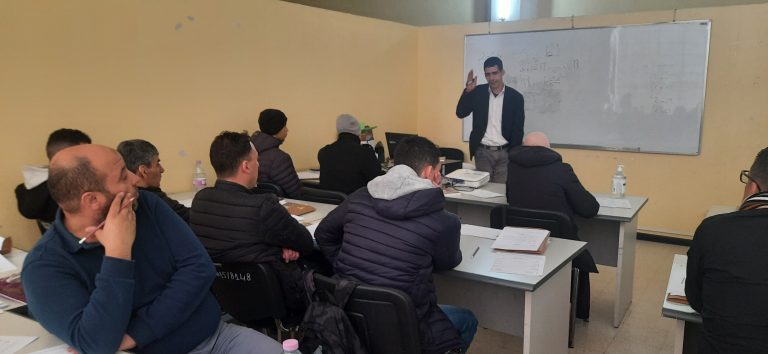
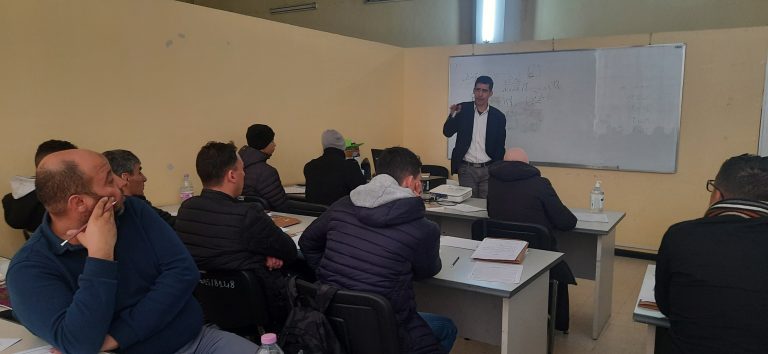
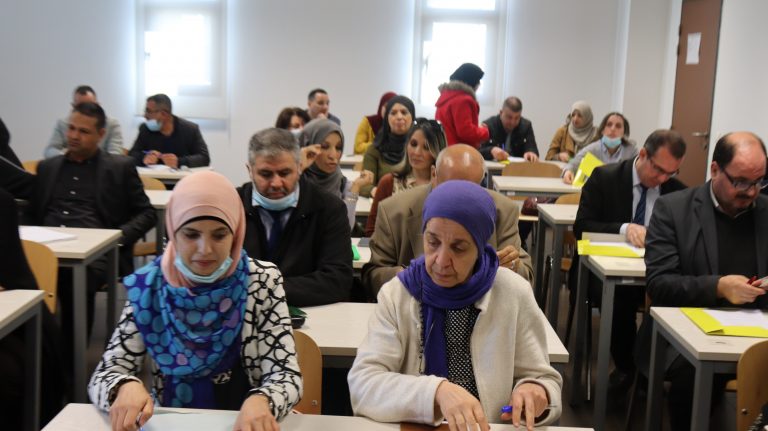
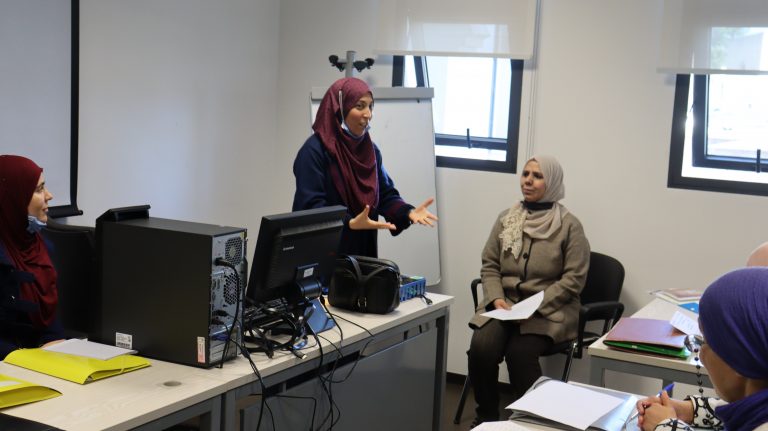
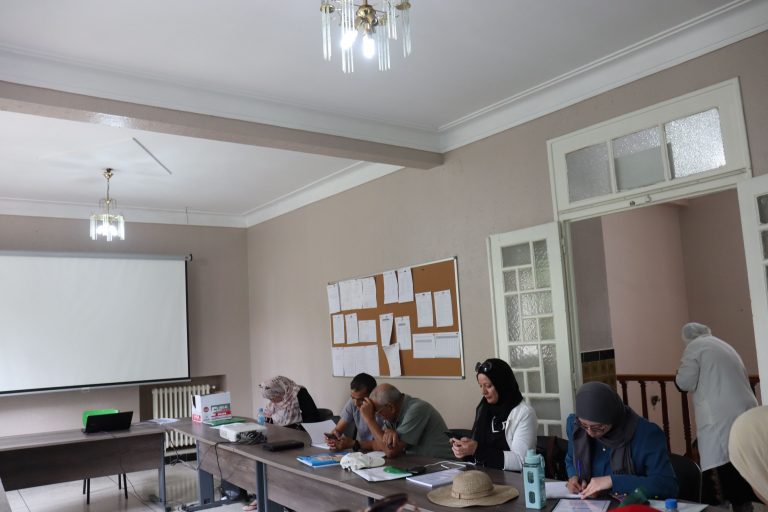
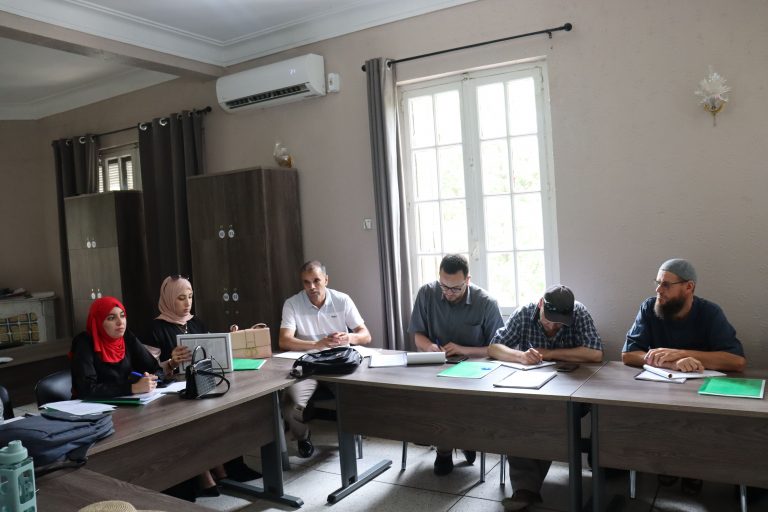
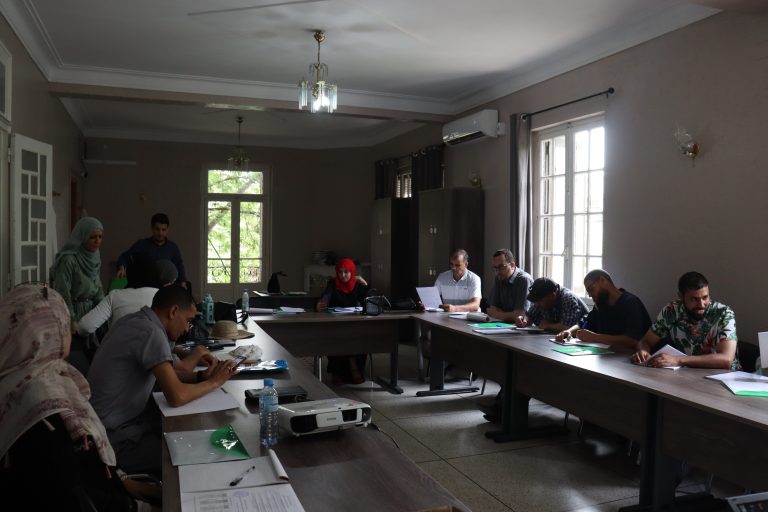
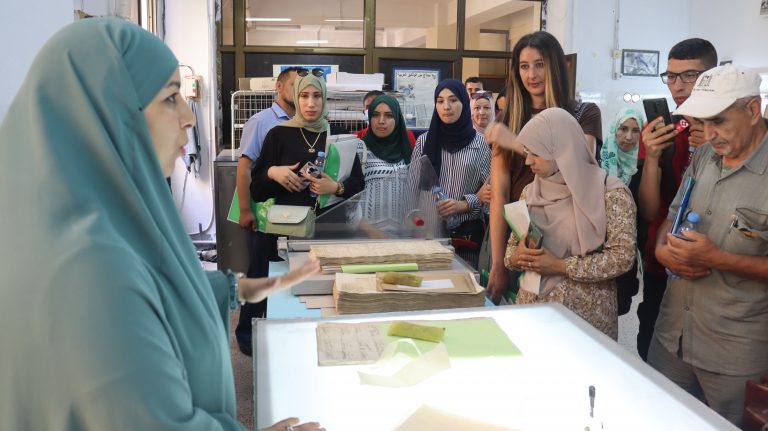
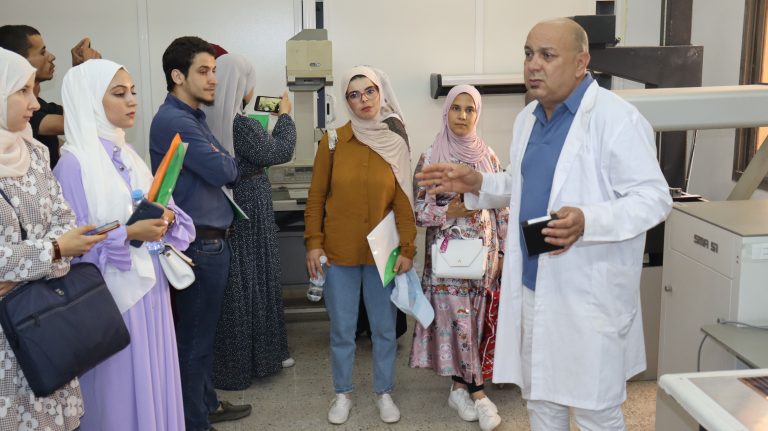
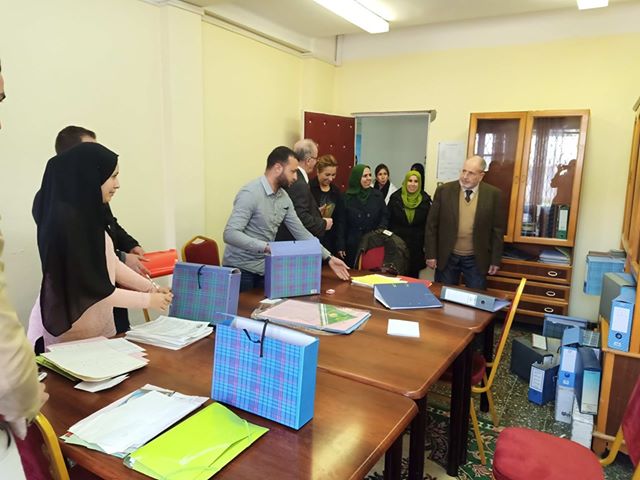
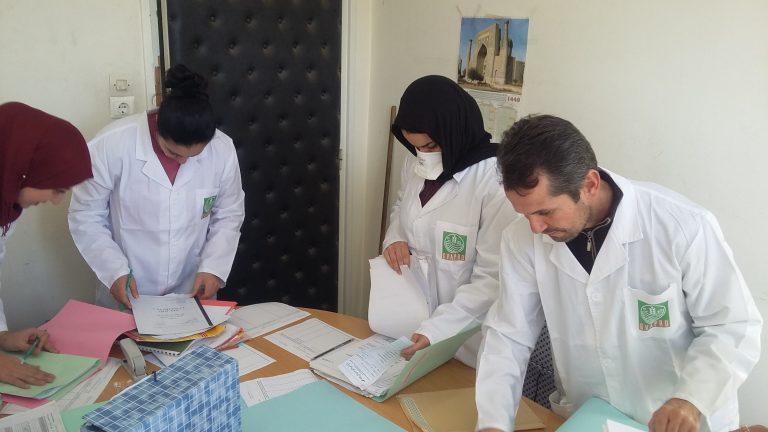
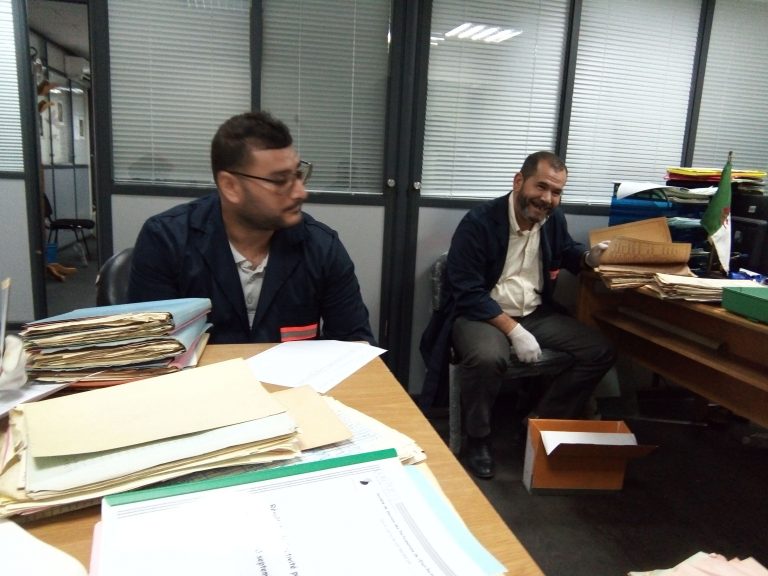
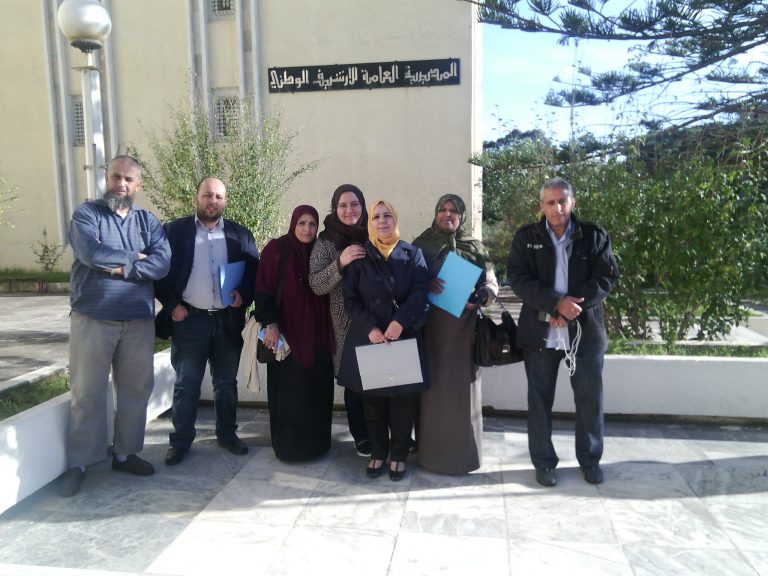
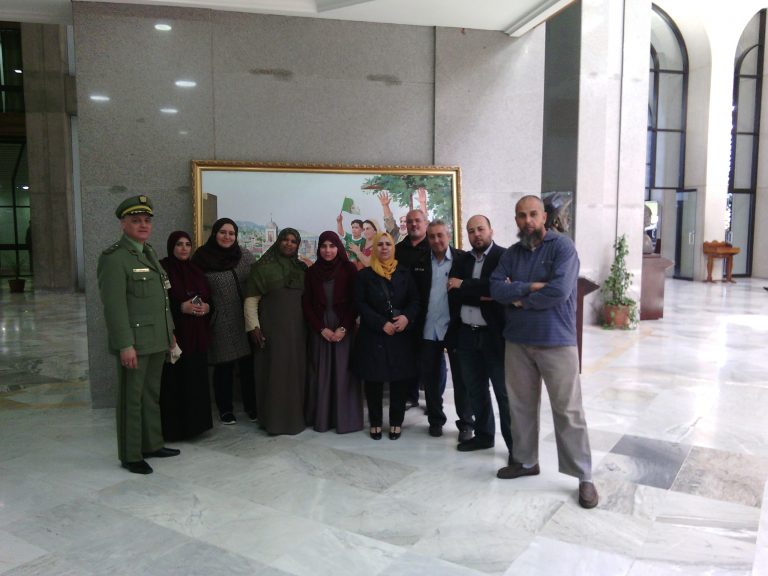
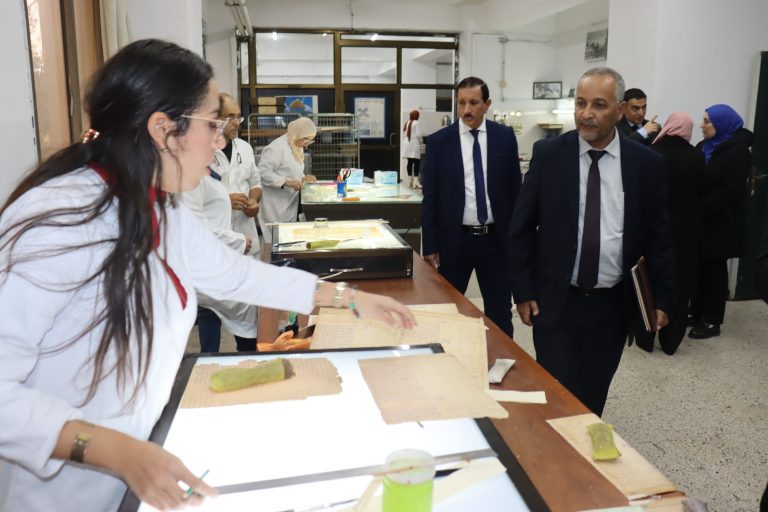
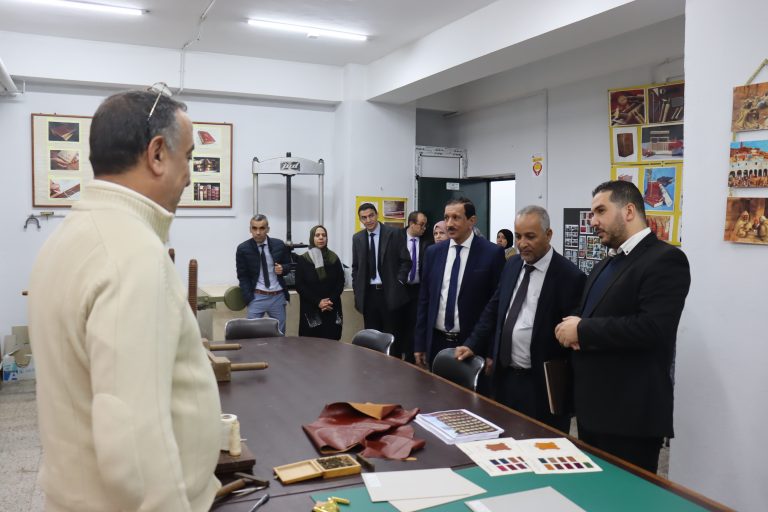
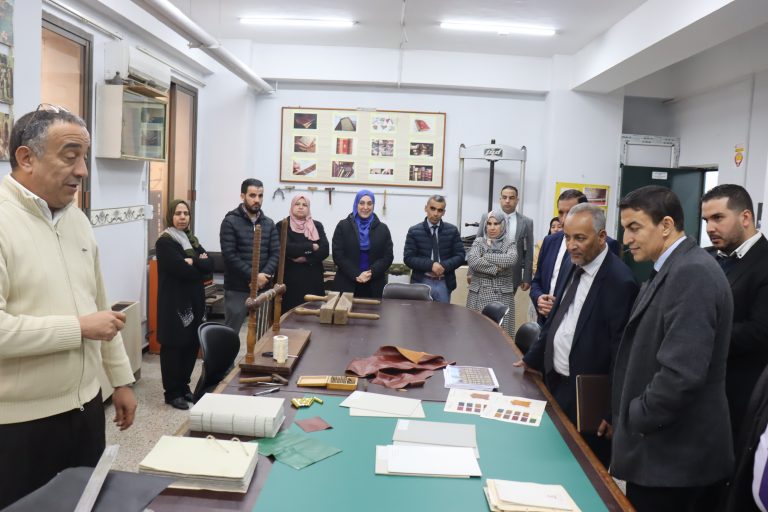
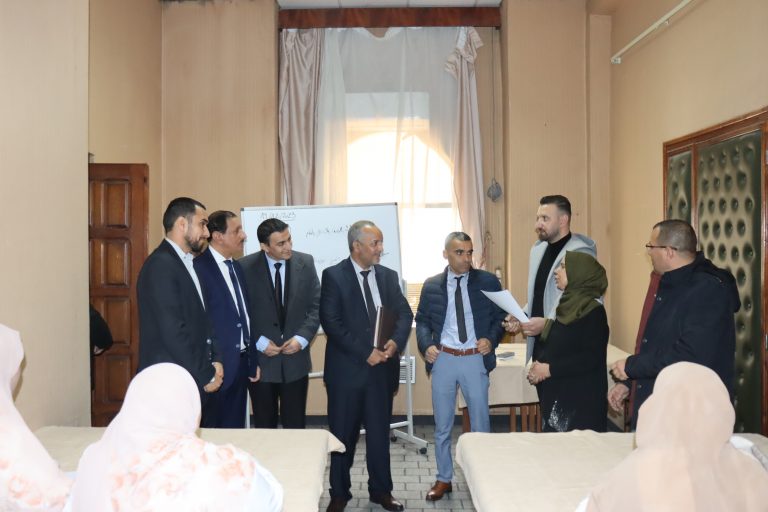
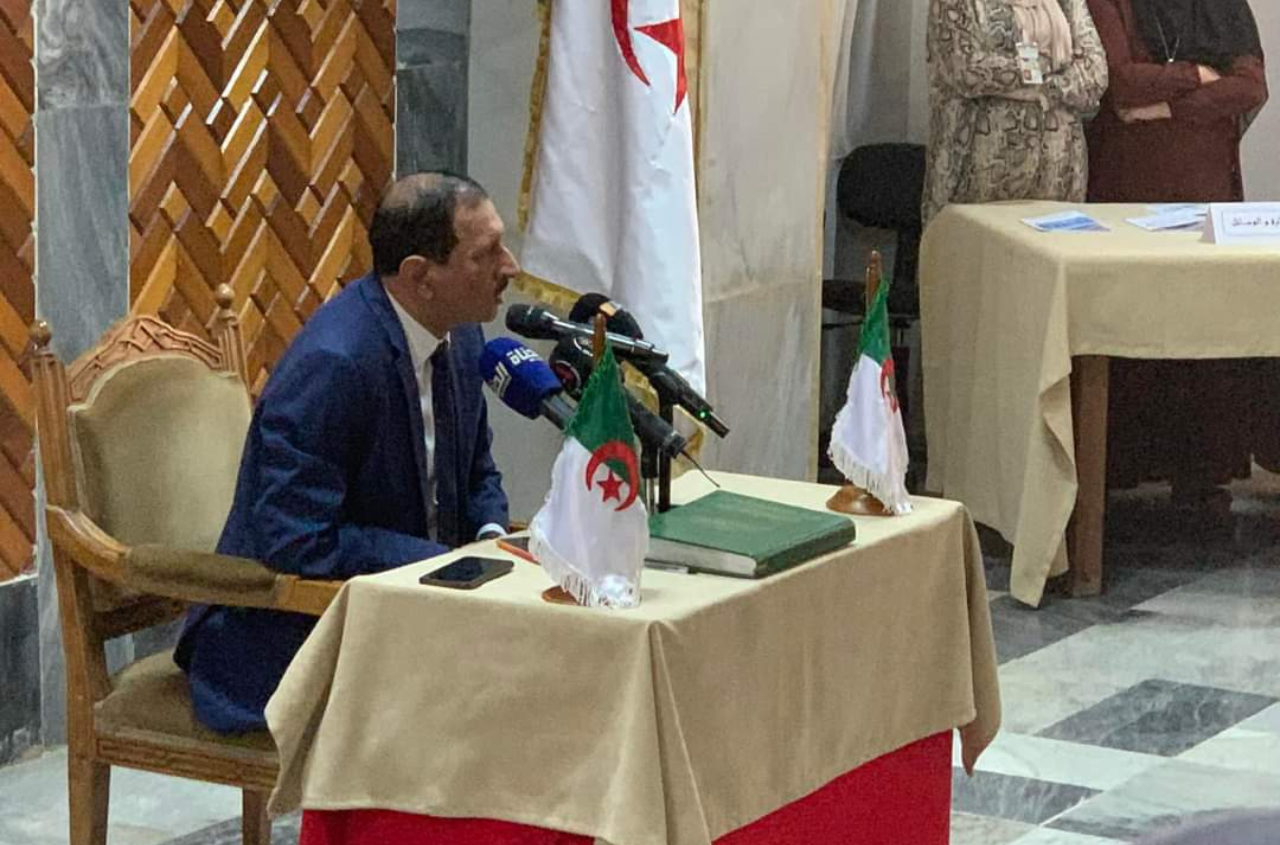
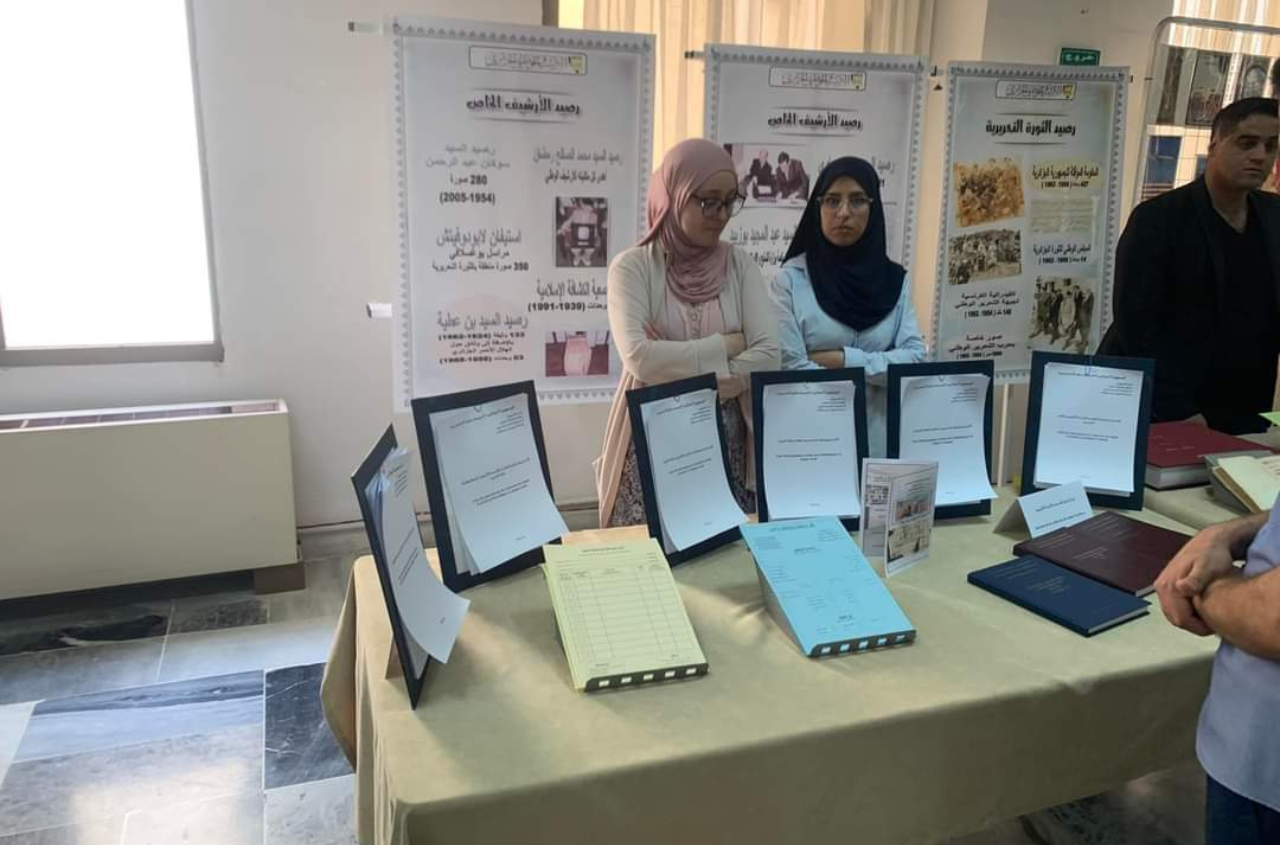
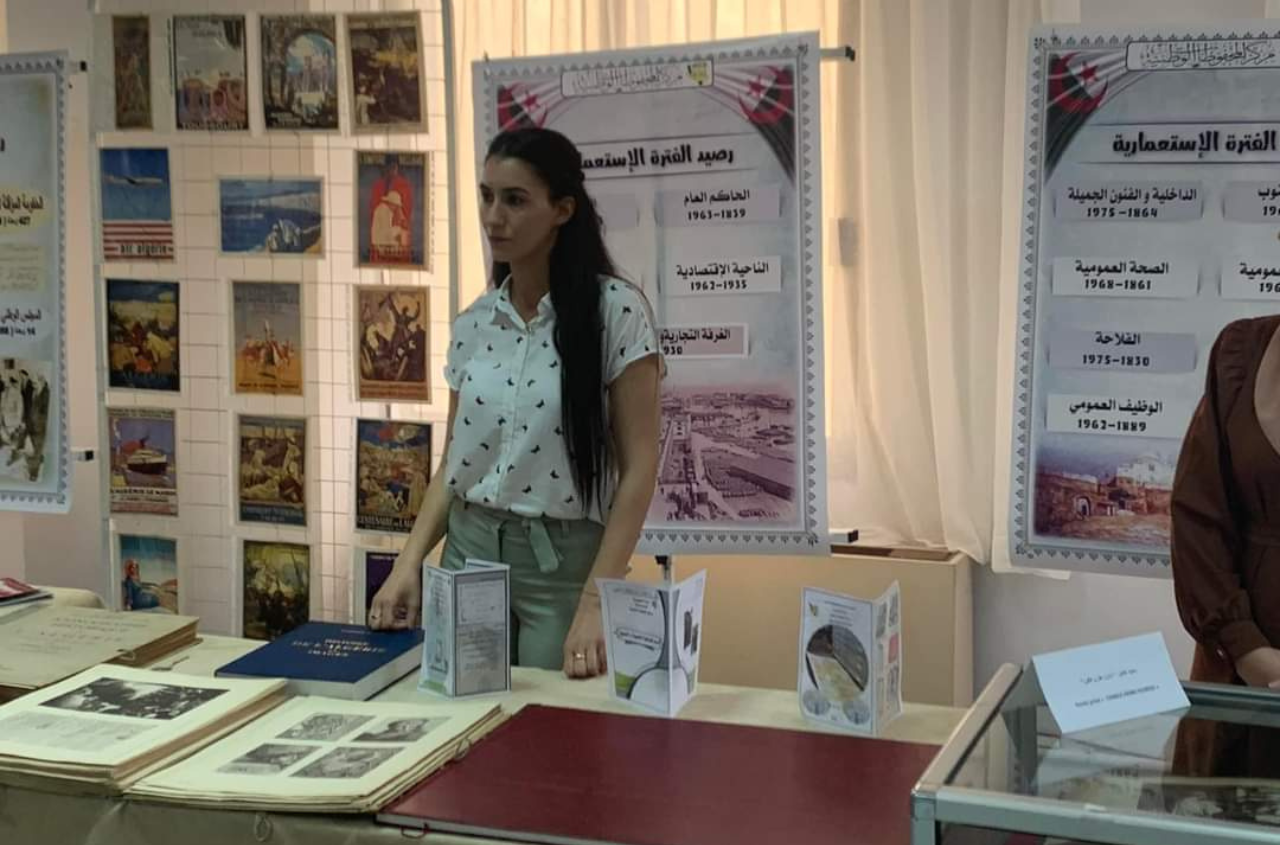
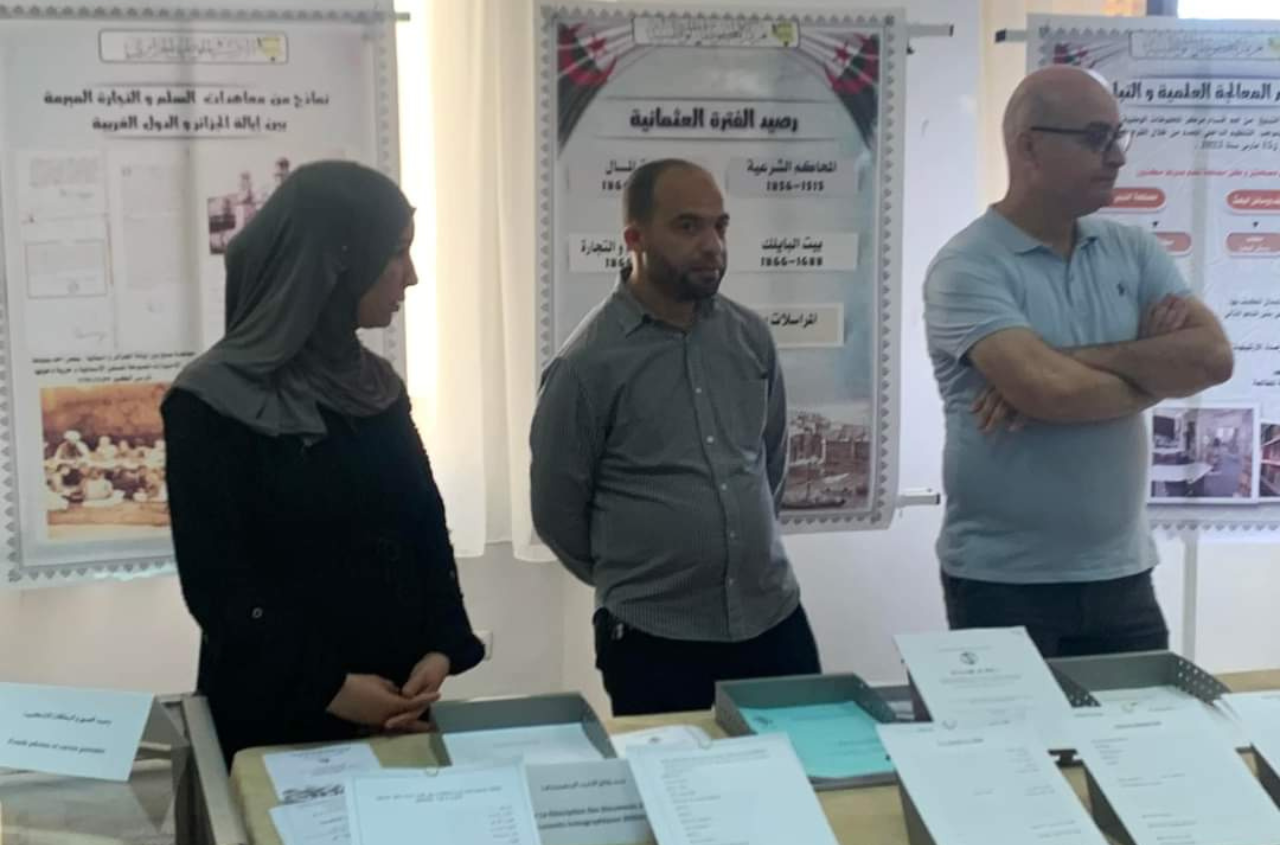
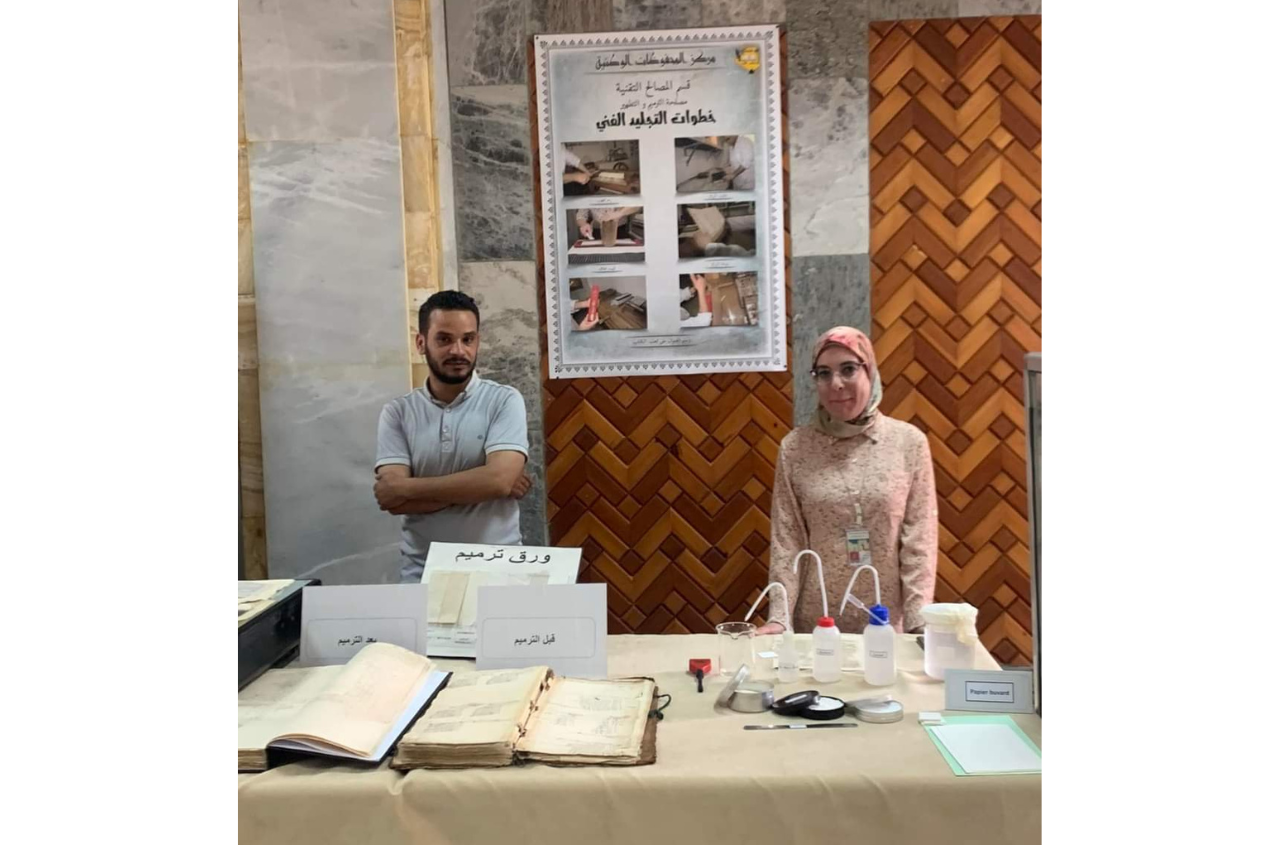
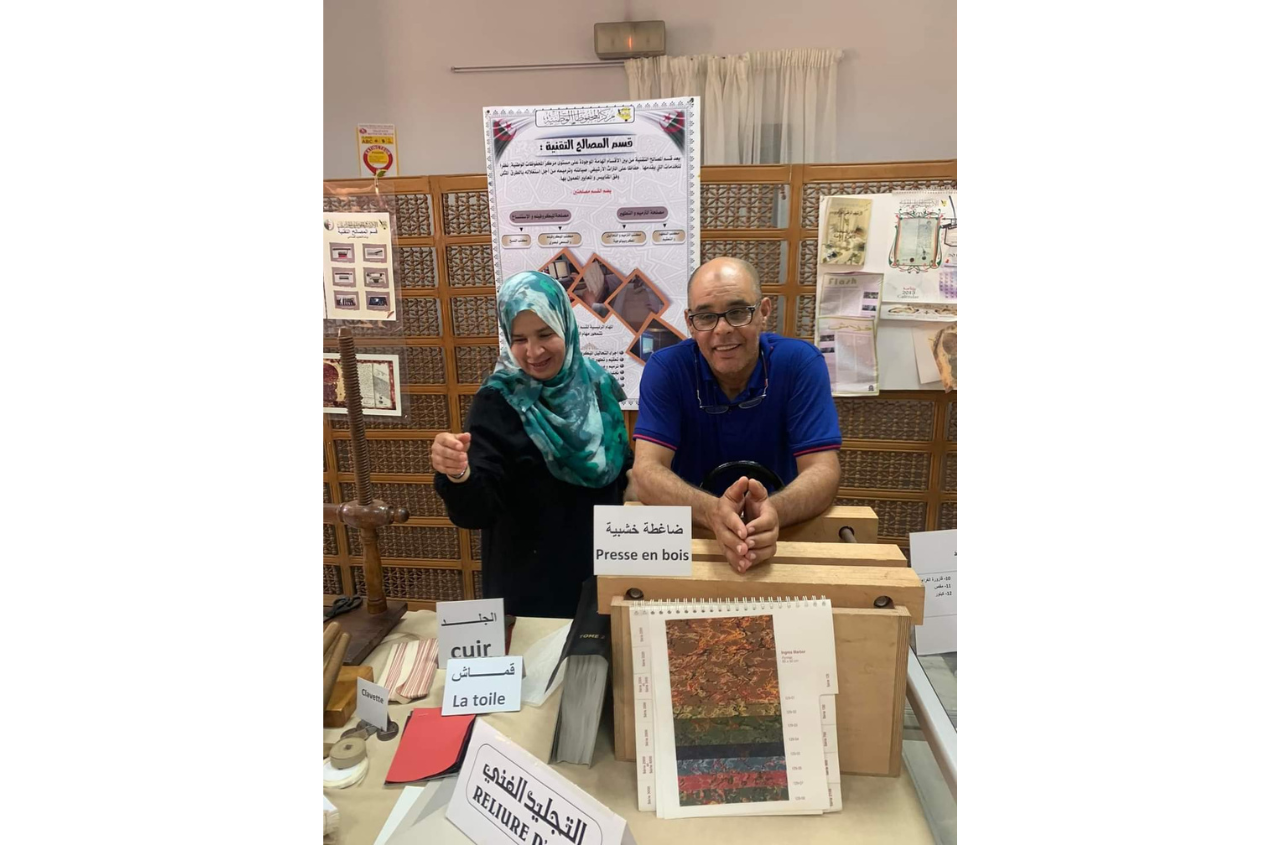
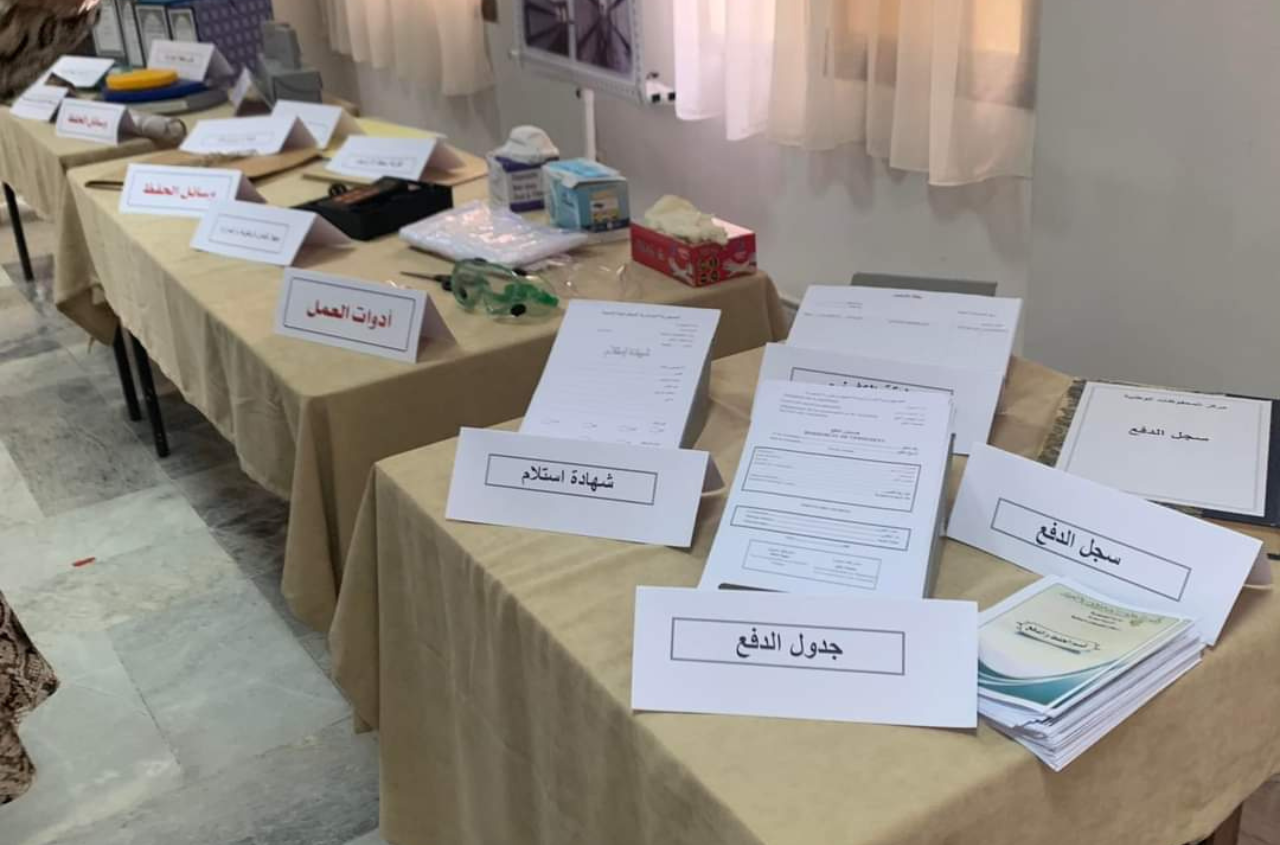
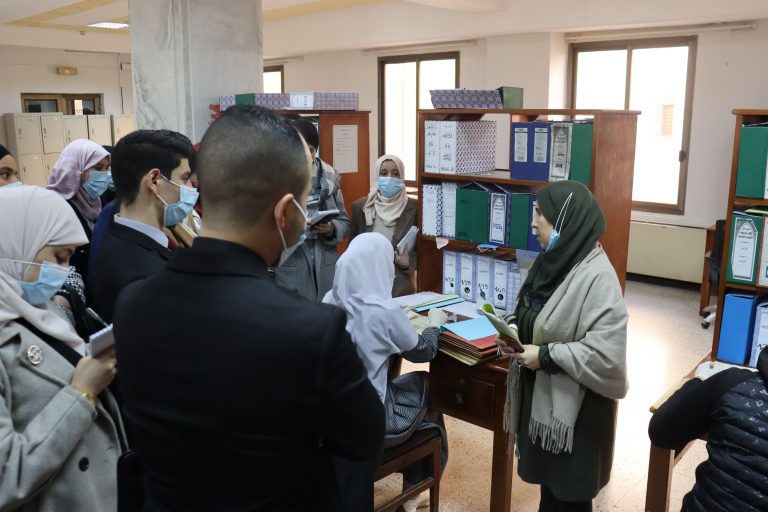
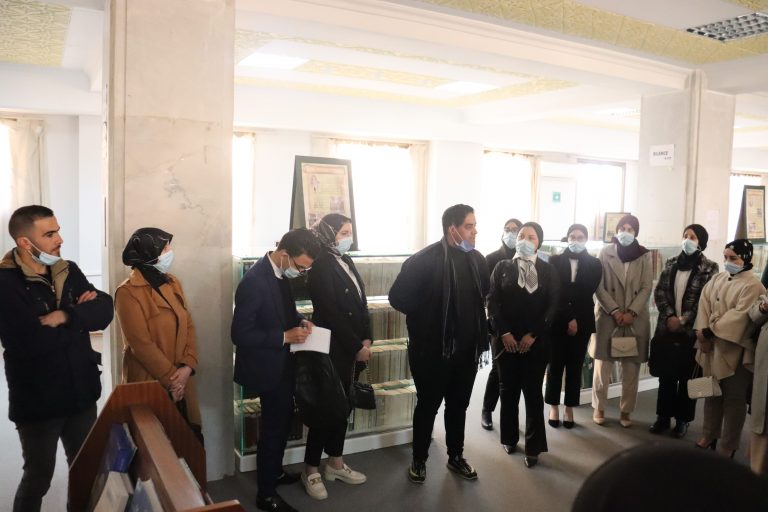
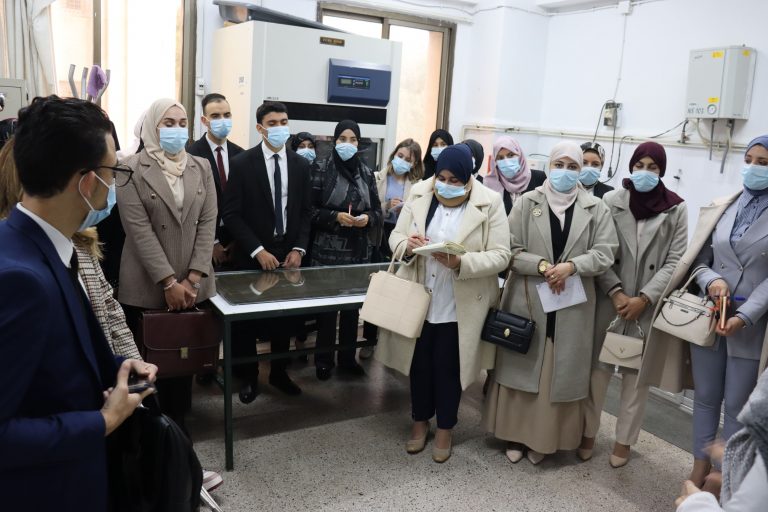
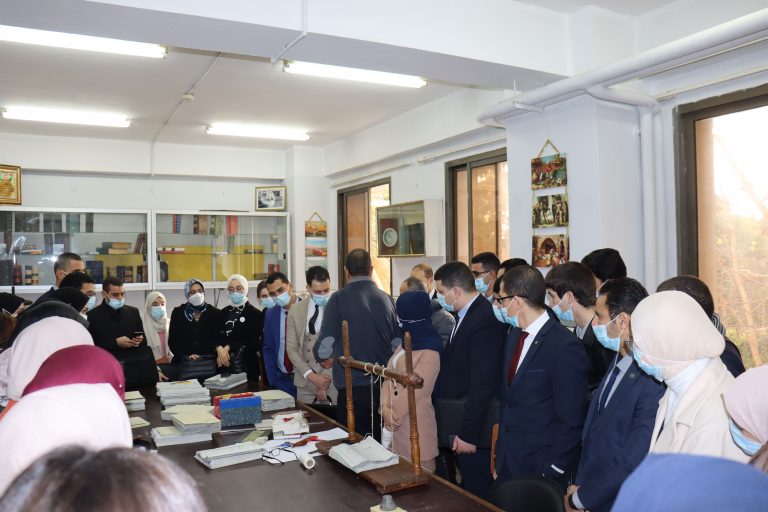
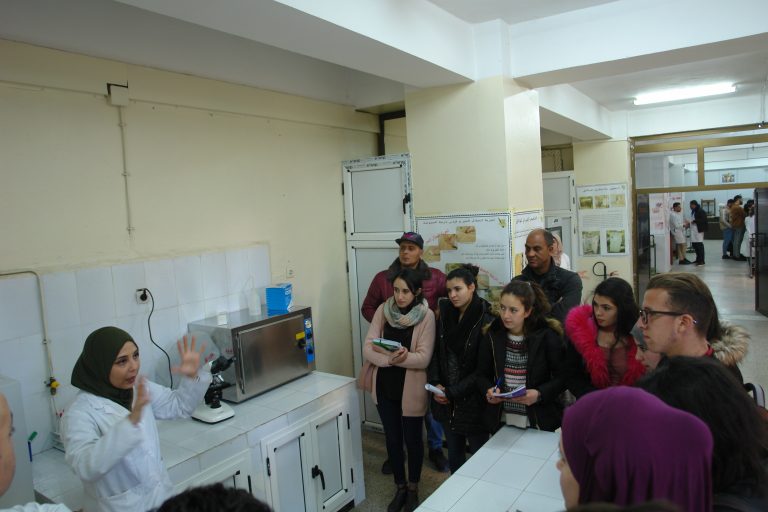
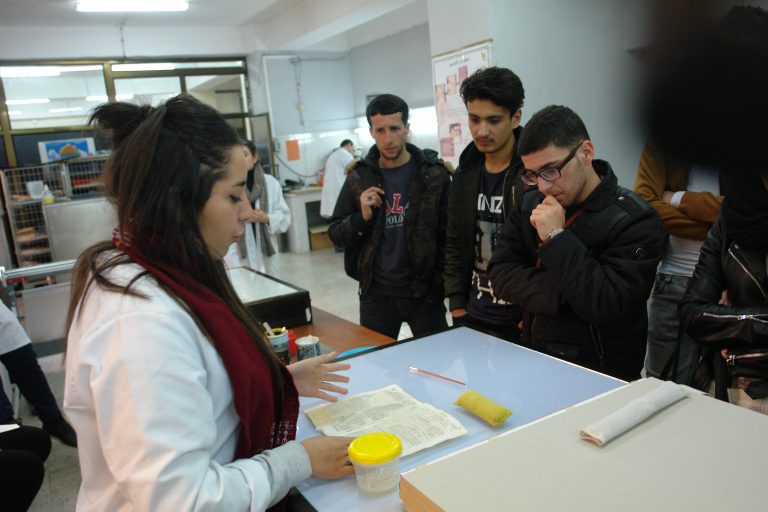
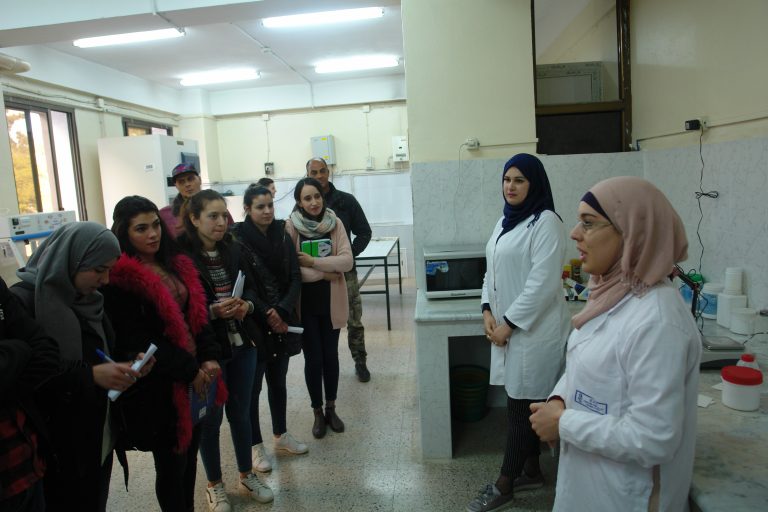
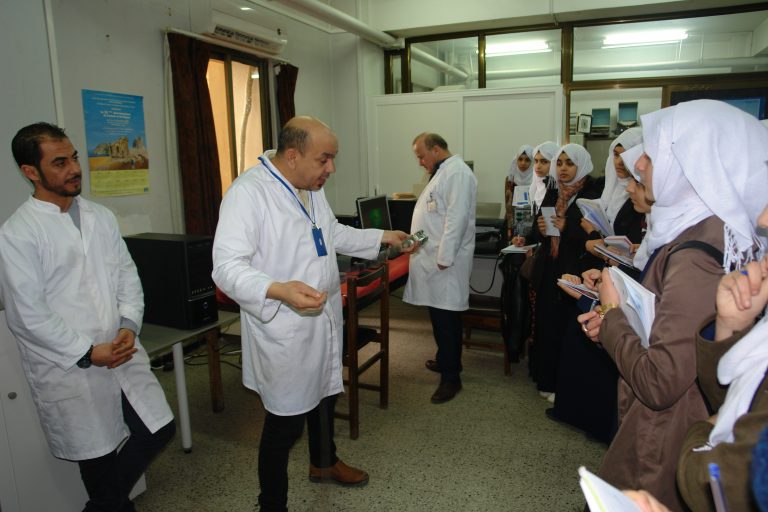
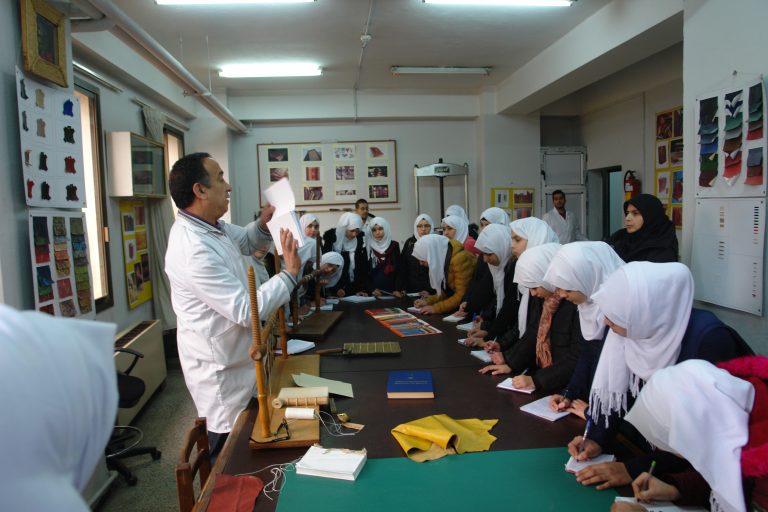
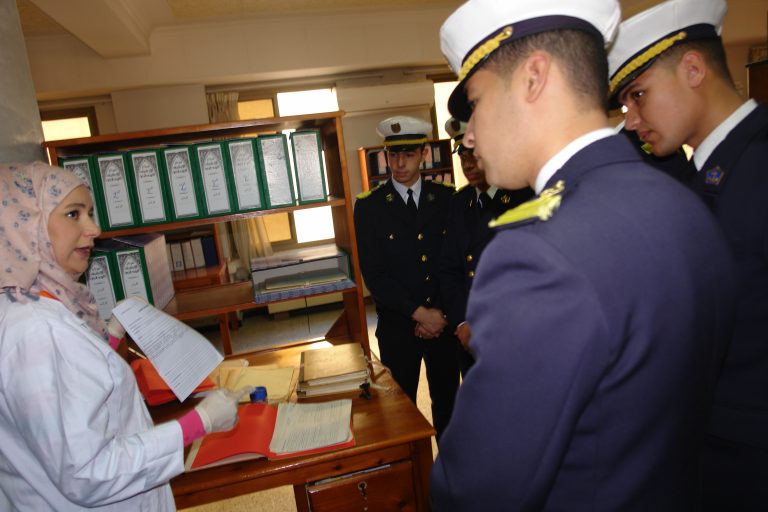
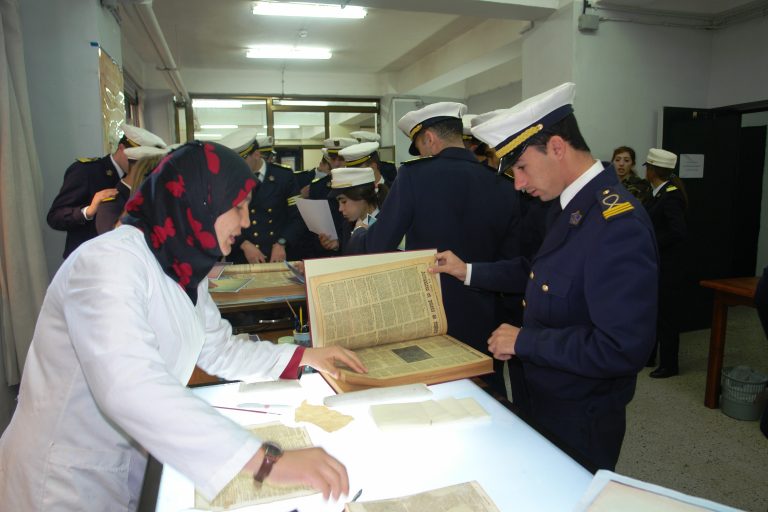
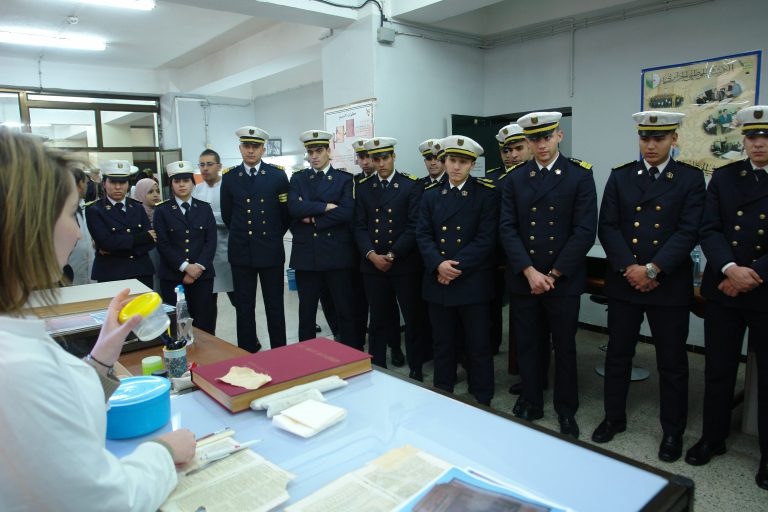
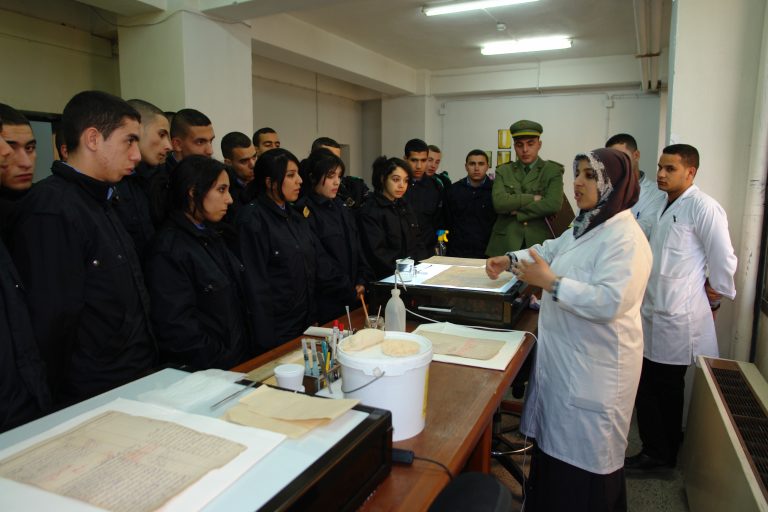
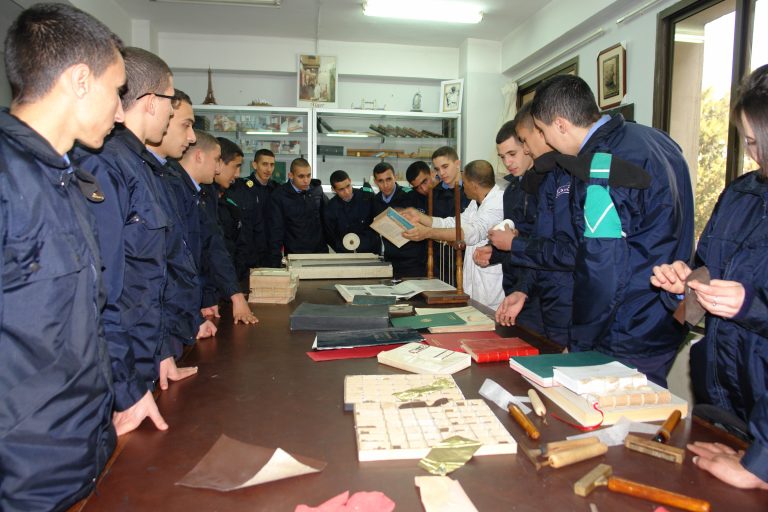
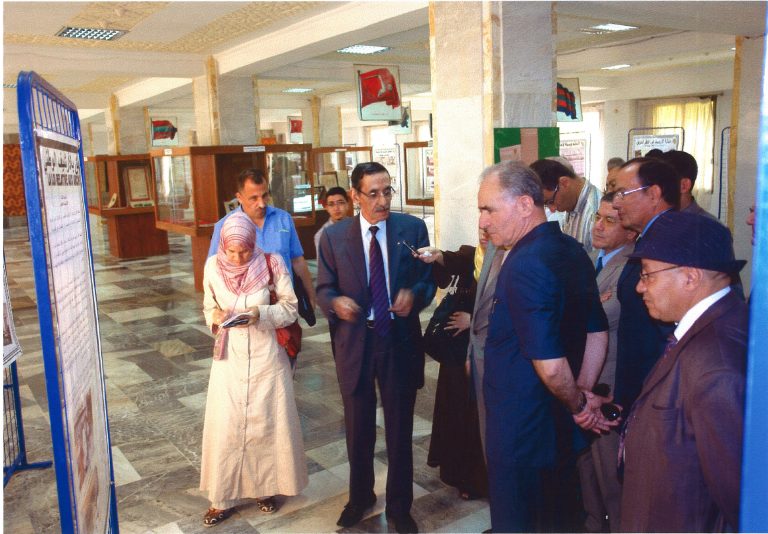
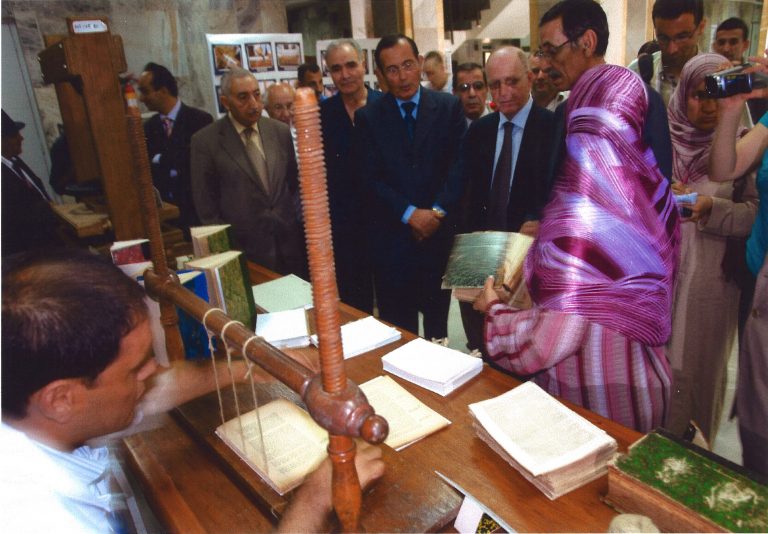
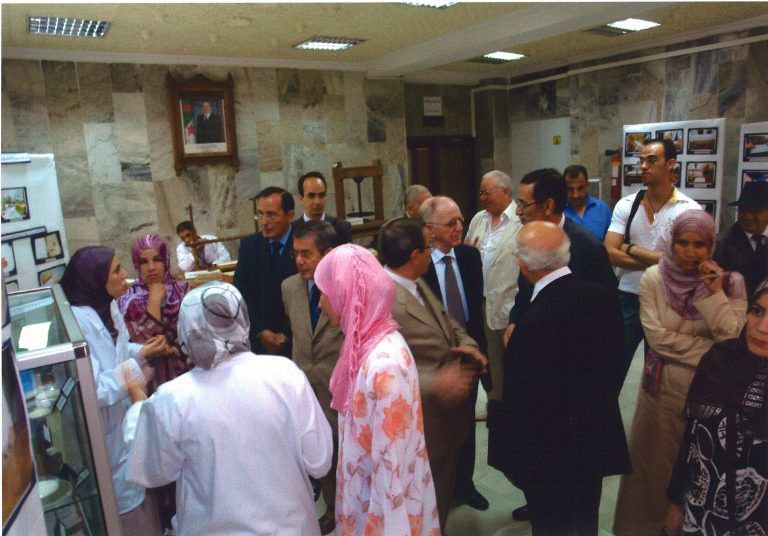
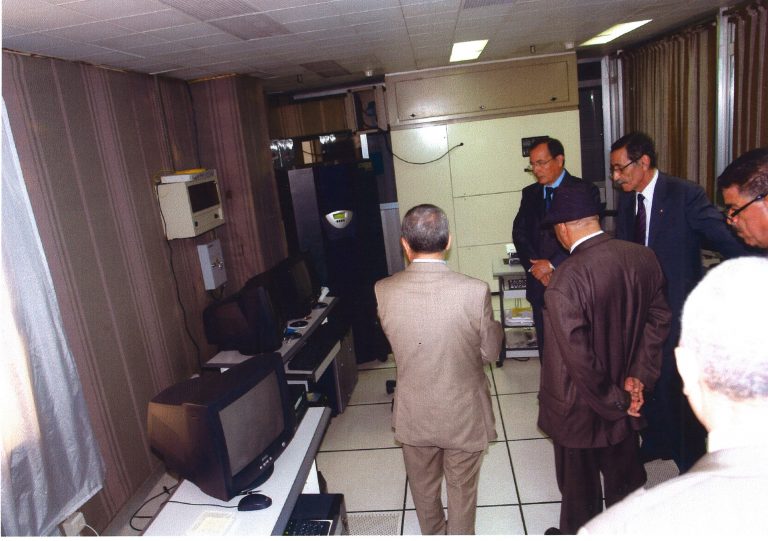
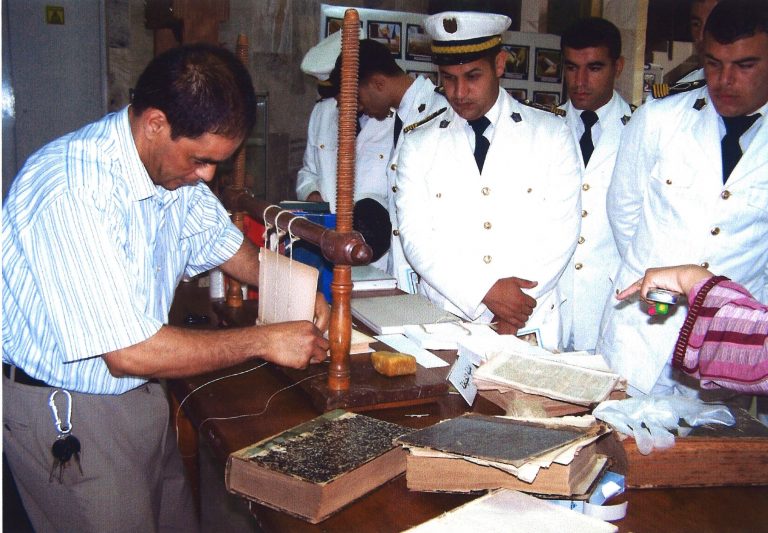
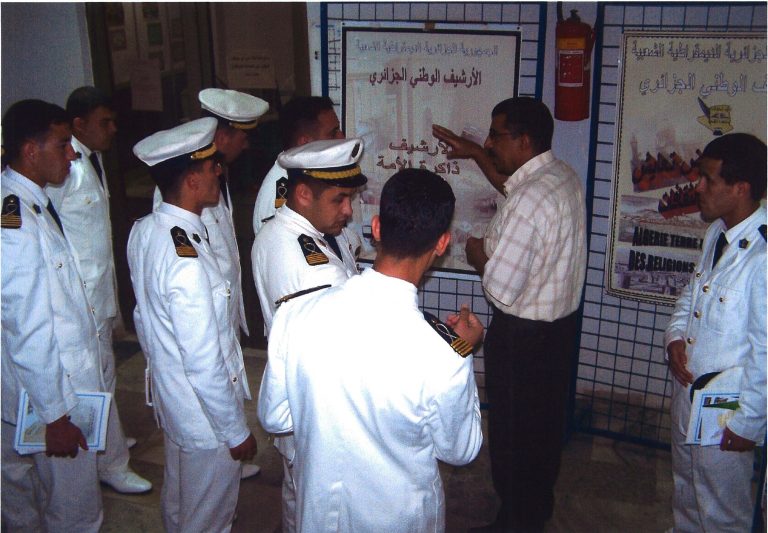
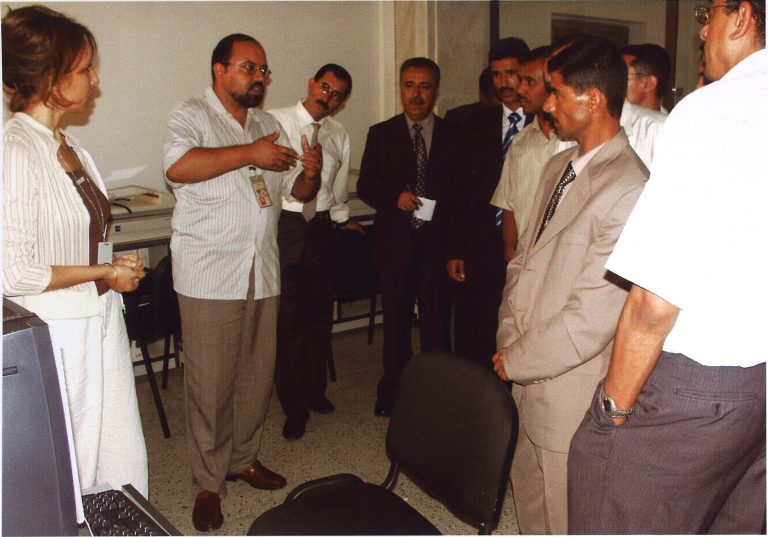
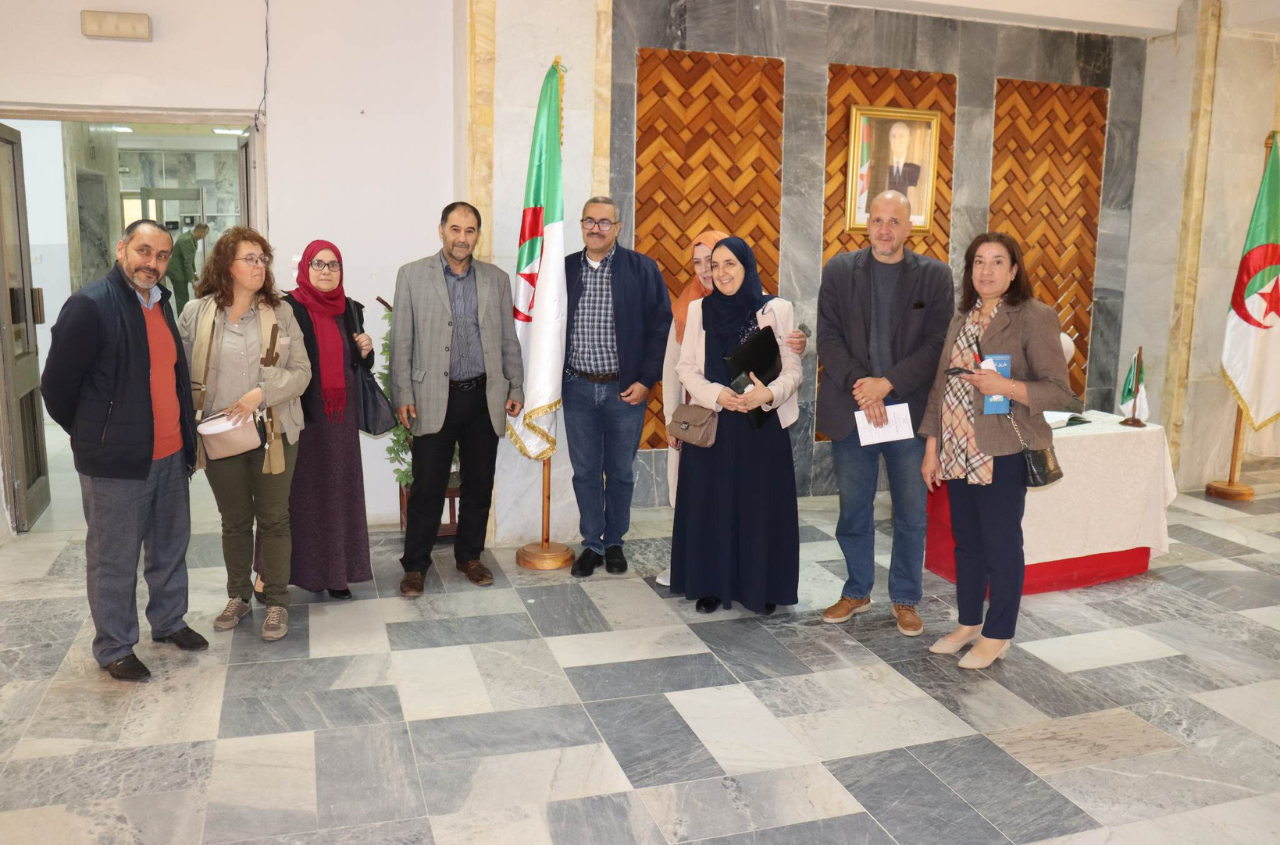
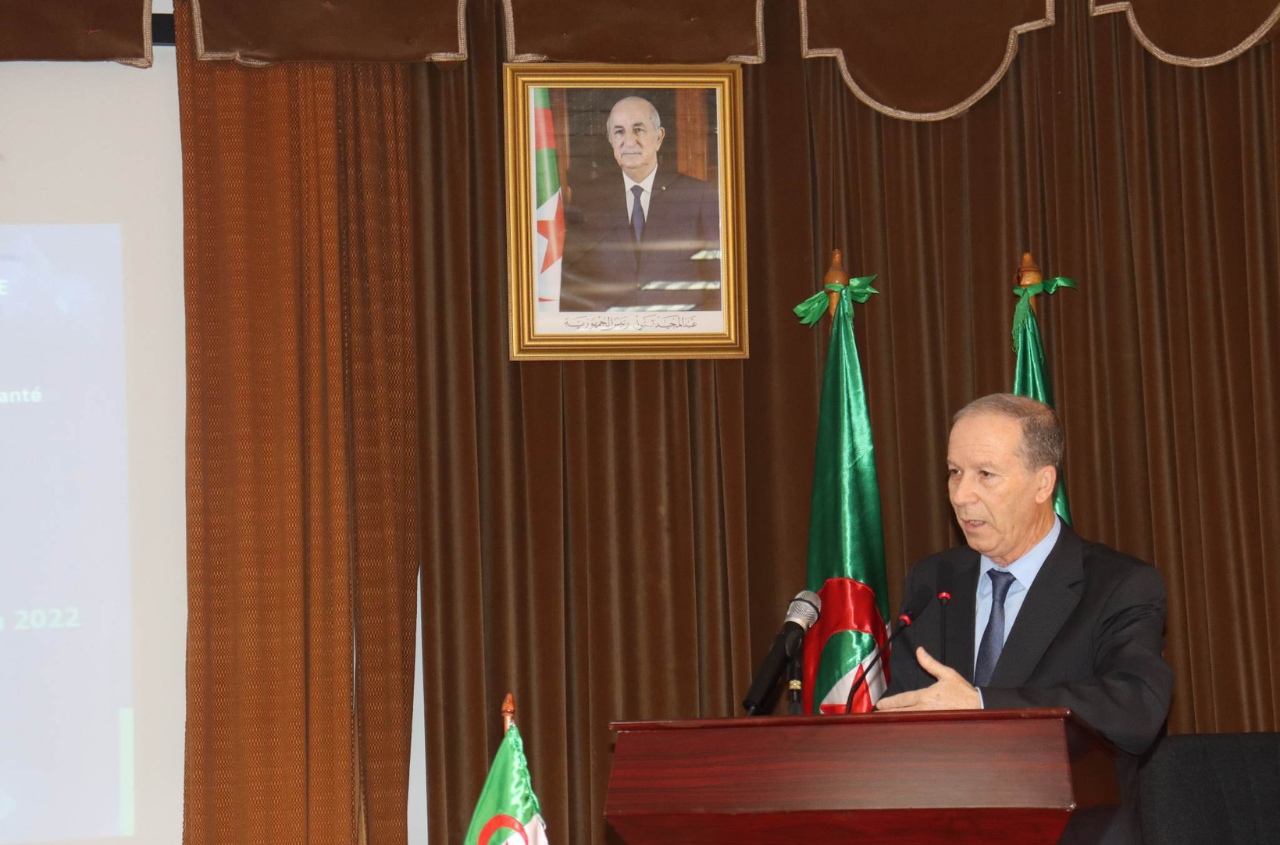
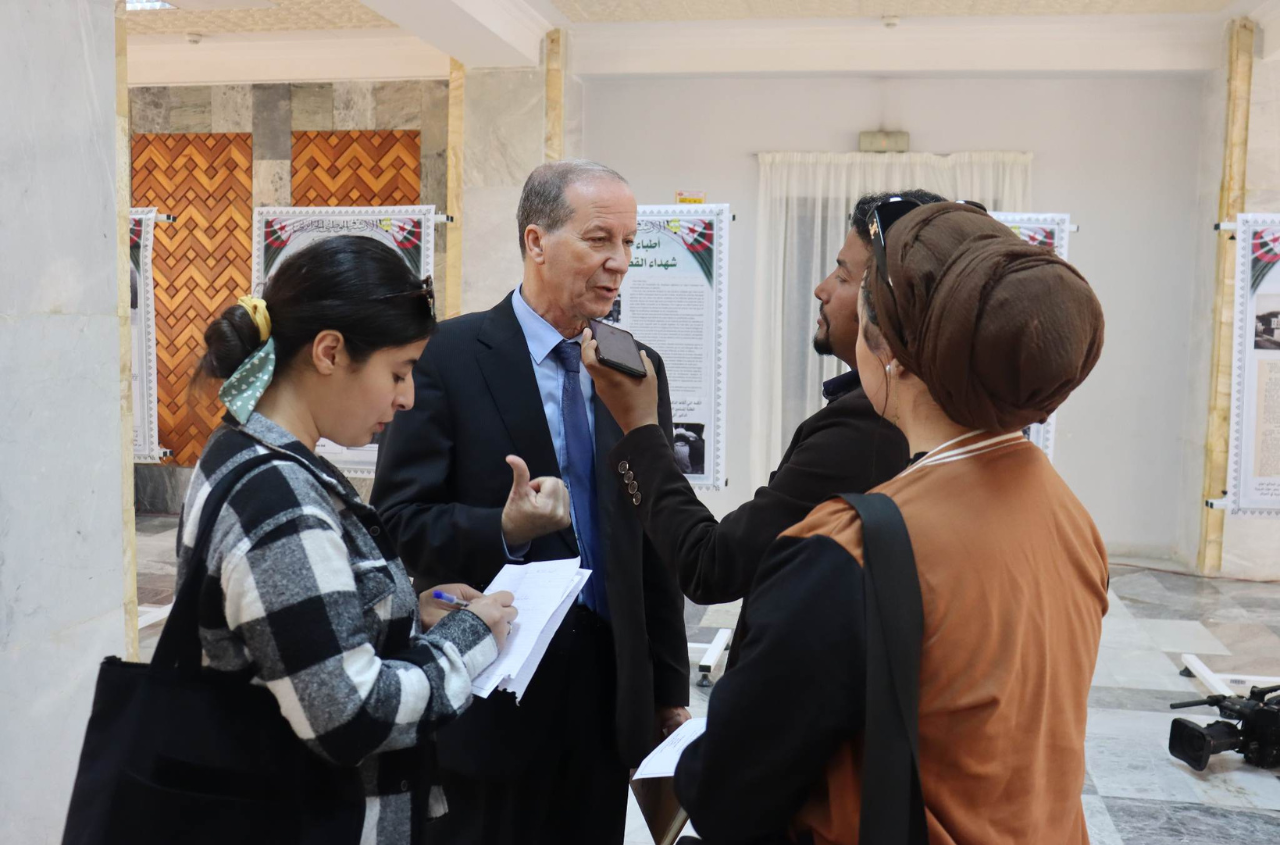
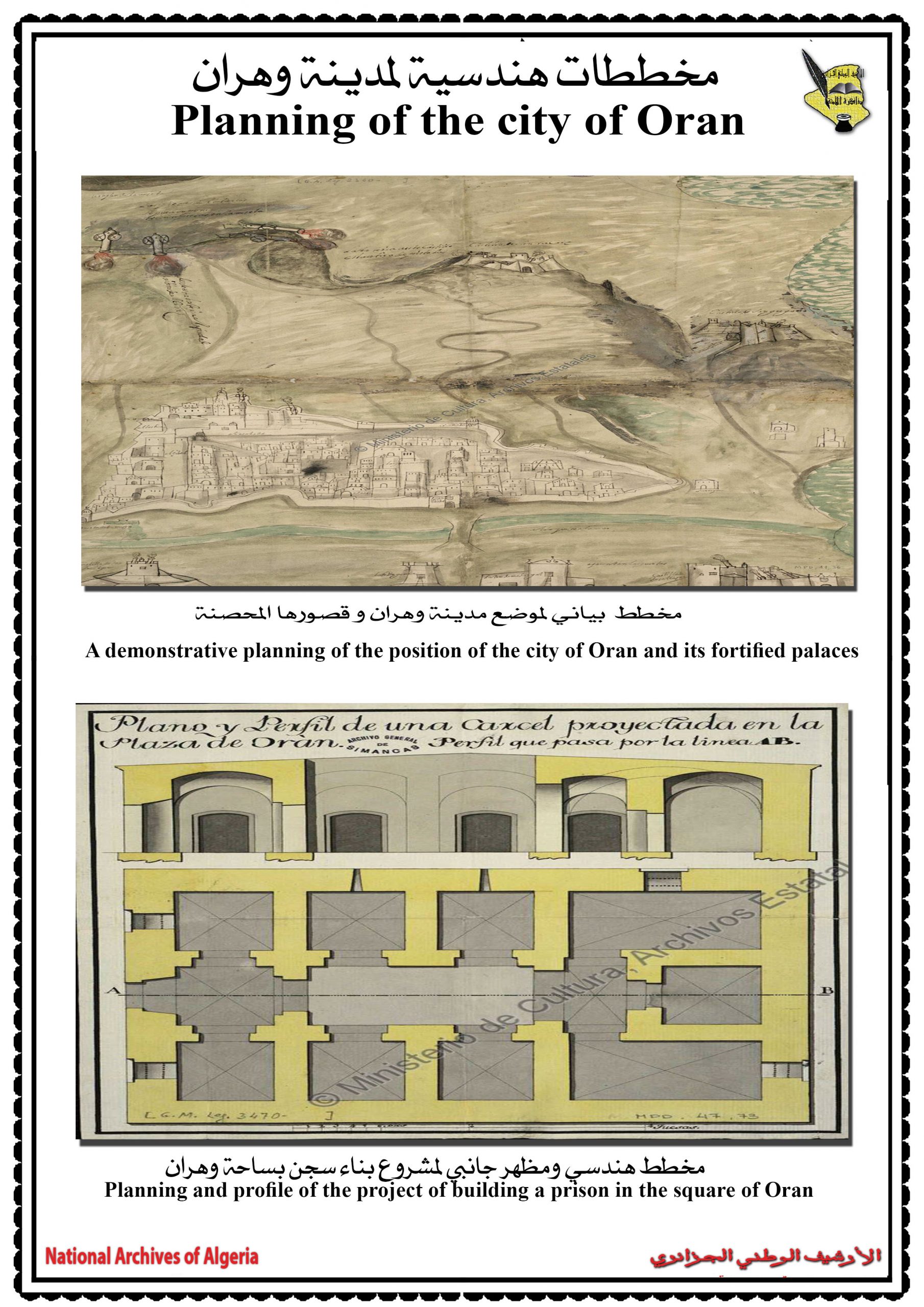
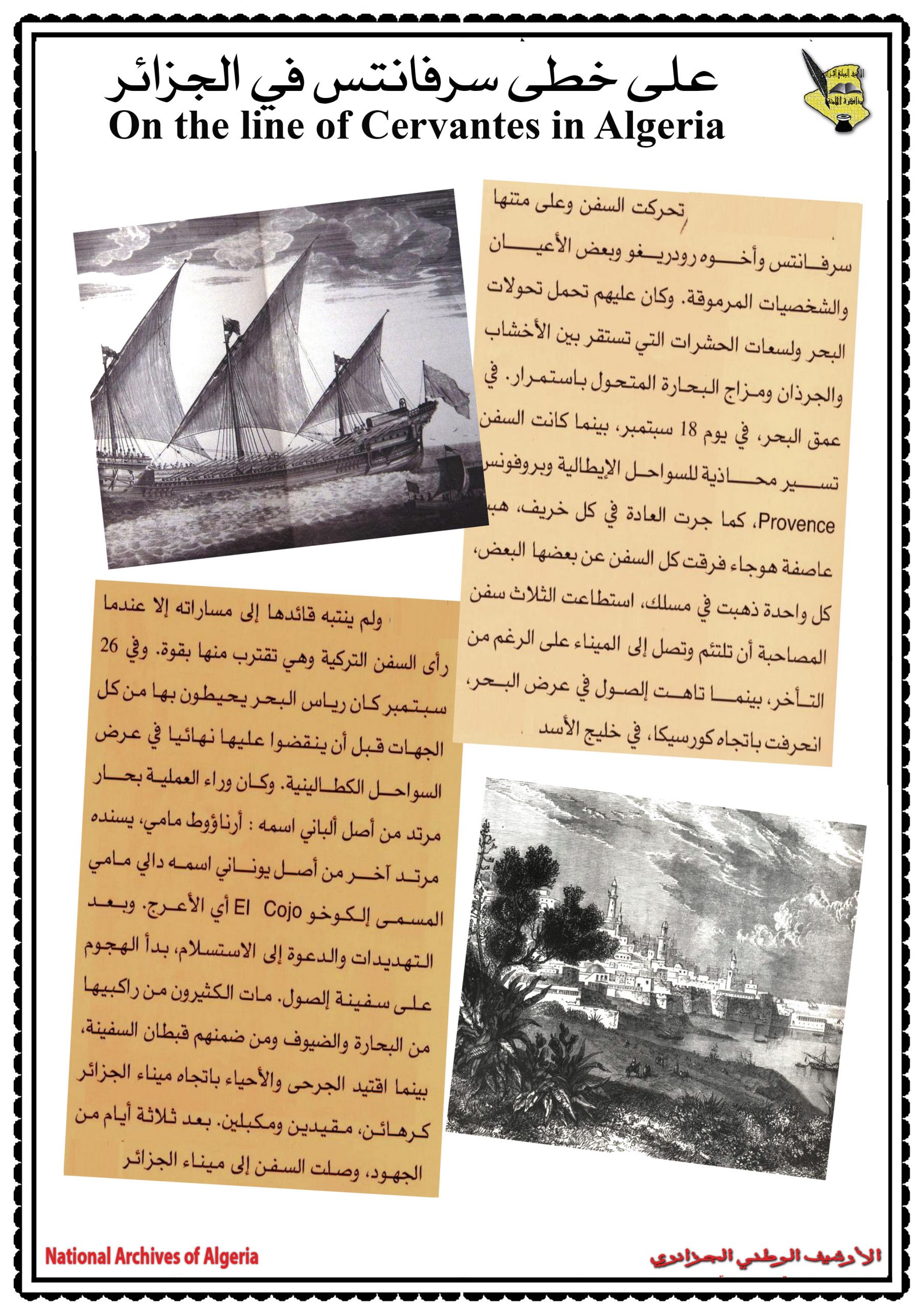
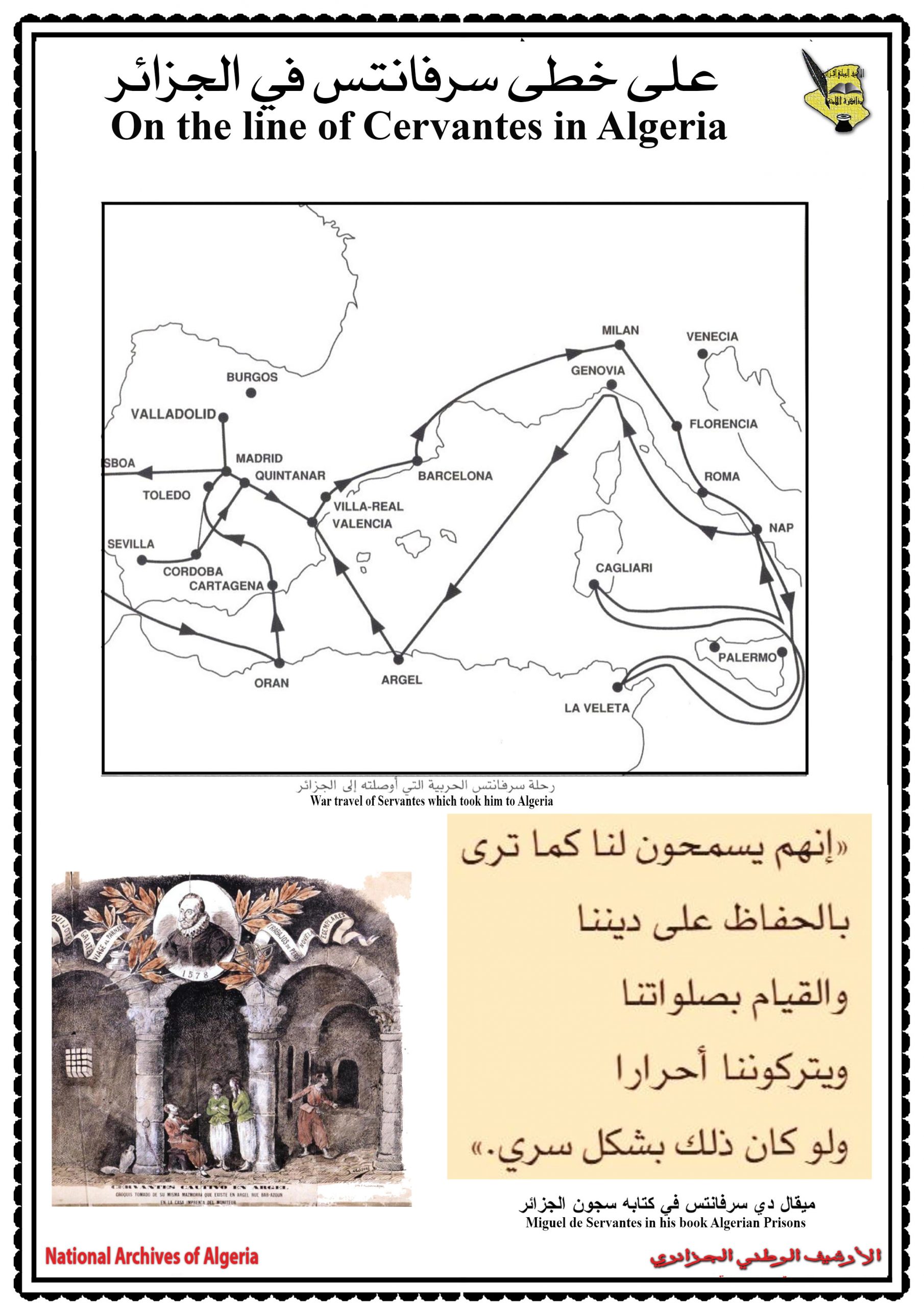
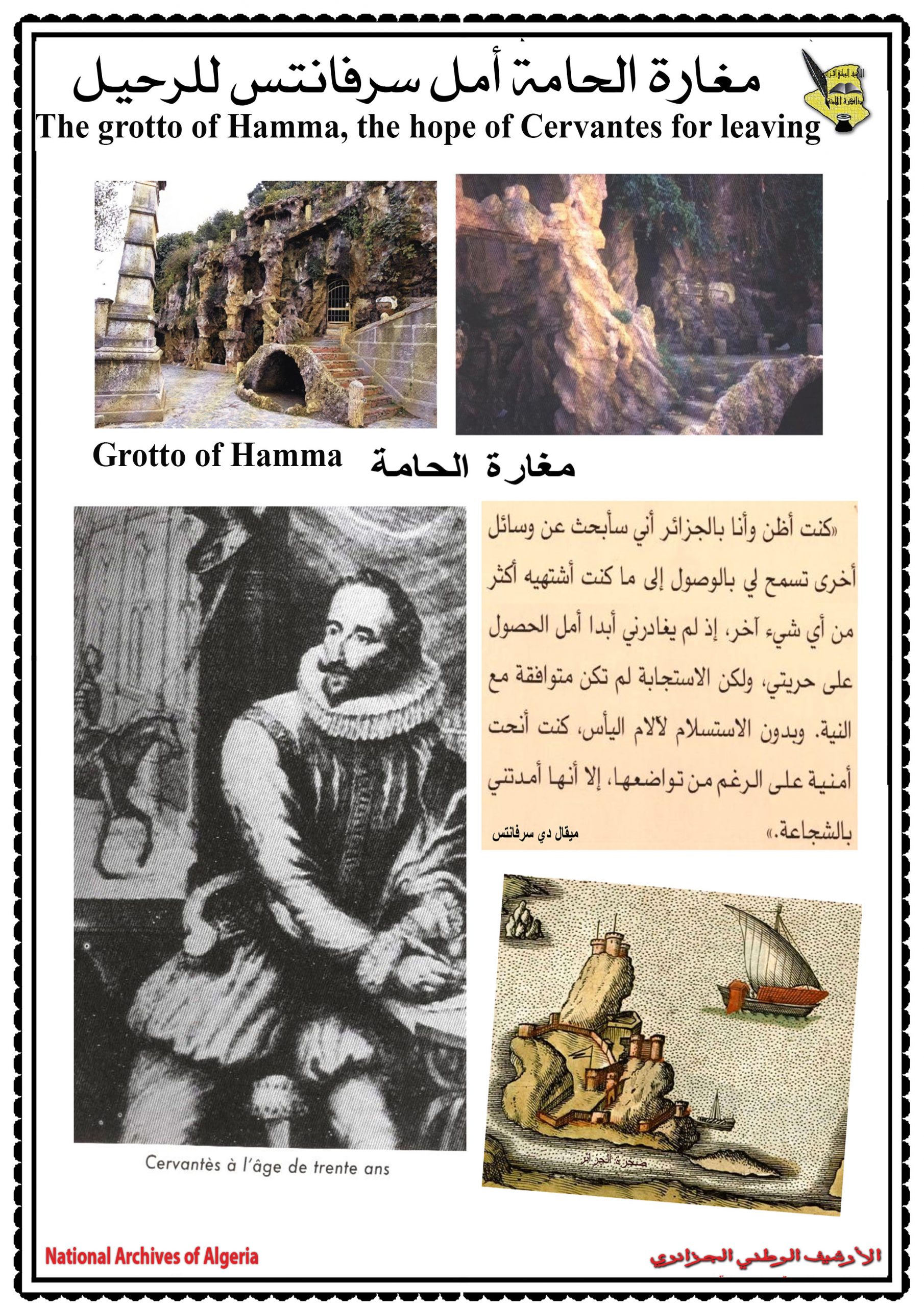
Within the framework of support and monitoring, the National Archives institution seeks to provide guidance and directions to various public and private institutions in order to take good care of their archives to ensure their good functioning, preserve their institutional memory, and advance the archive sector as a whole. It also accompanies university students and vocational education and training institutes, within the framework of their pedagogical path, by conducting field training at the Center’s department concerned with archives in order to apply the theoretical and methodological knowledge they have acquired.
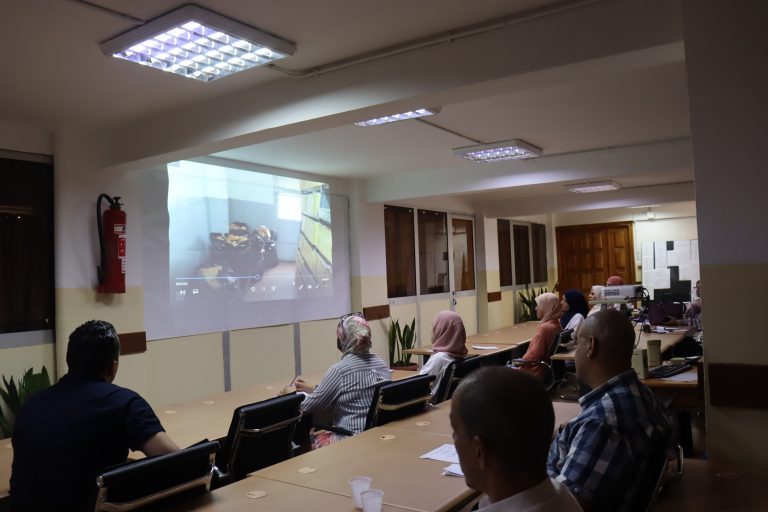
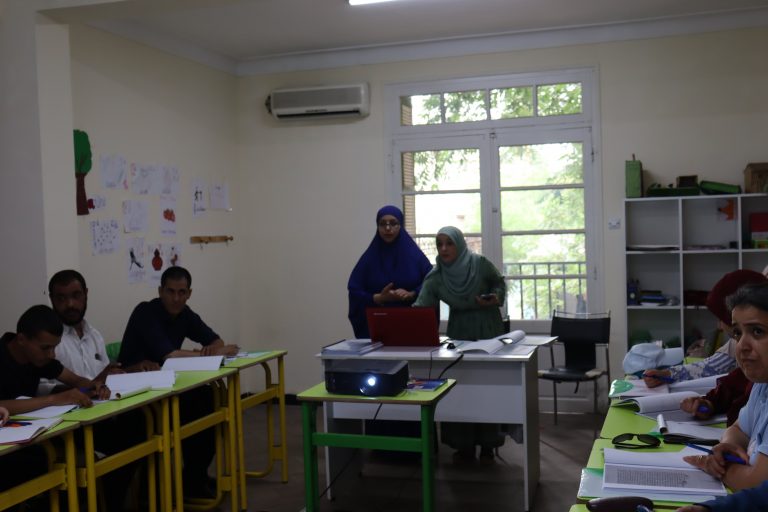
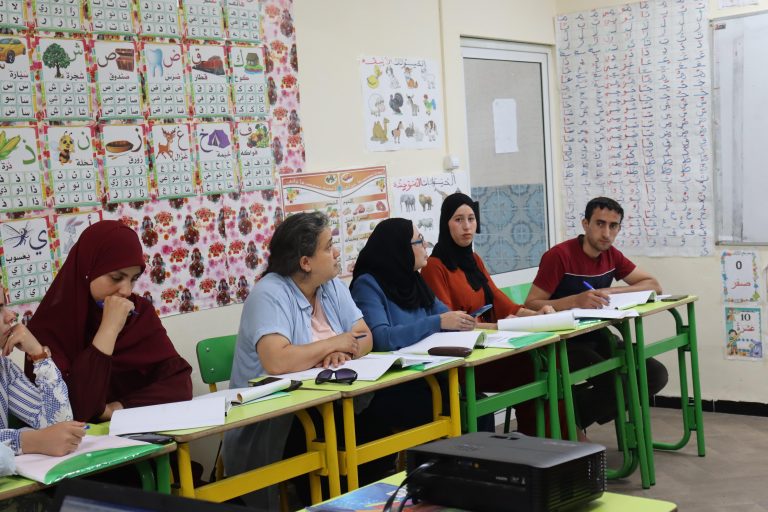
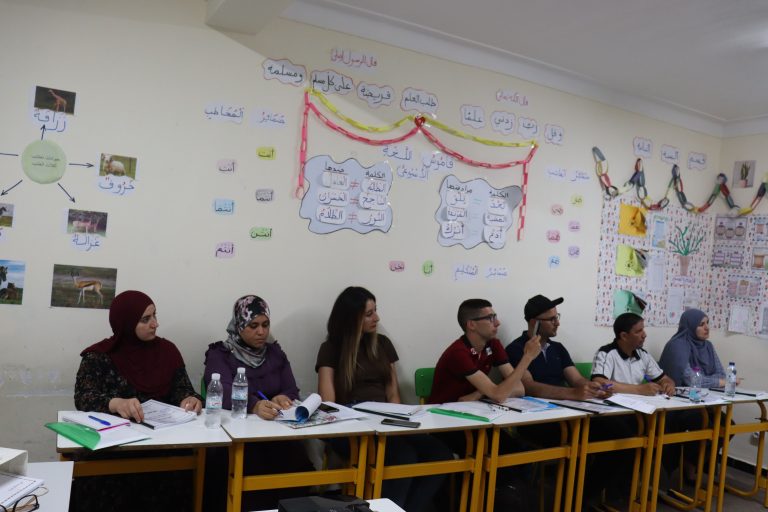
A training course for employees of the archives of the Wilaya of Algiers.
A training course on the basic principles of Archives for the benefit of employees of the Wilaya of Algiers and its administrative districts, from July 16 to 23, 2023 at the headquarters of the Archives Service of the Wilaya of Algiers.
A training course for employees of the health sector in Bouzareah
A training course on the basic principles of Archives for the benefit of employees of the local public health institution in Bouzareah in the period between the 21st and the 25th of May, 2023.
A training course for various sectors
A training course was organized in the period between February 26 and March 02, 2023 for employees of the following institutions:
Ministry of Digitalization and Statistics.
General Directorate of National Security.
Guarantee Fund of Public Procurement.
Algerian Company of Infrastructure Studies.
A training course for employees of the General Directorate of National Security
A training course in the period between the 5th and the 9th of March, 2023, on the basic principles of Archives for employees of the General Directorate of National Security.
Training courses for employees of the Ministry of Foreign Affairs
Organizing three training courses for executives and employees of the Ministry of Foreign Affairs;
First course from 17 to 20 April, 2022, on the basic principles of Archives;
Second course from May 29 to June 02, 2022, on Administrative archives management;
Third course from 13 to 17 November, 2022, on documents management electronic management of archives, and standardization ISO 15489.
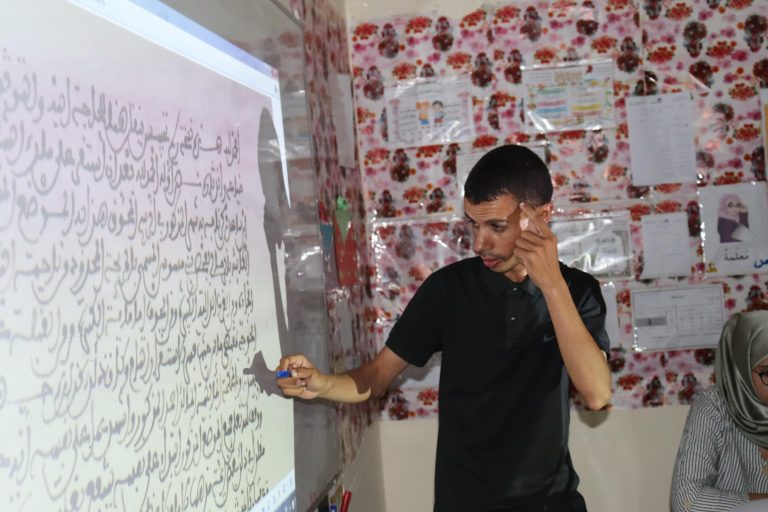
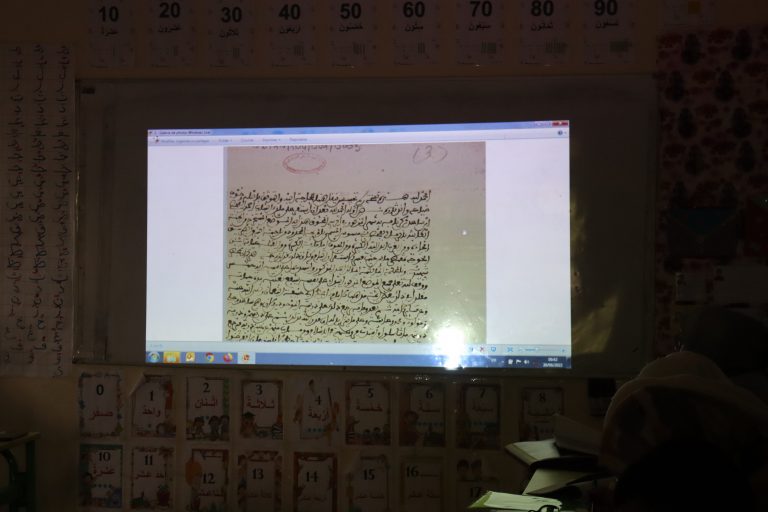
A training course on reading Ottoman documents
Organizing a training course on reading the Ottoman calligraphy at the headquarters of the National Archives Center and Al Assala Center for Studies and Research on the 19th and 20th of June, 2022.
Training courses for employees of the High Islamic Council
Two training courses in the fields of archives management and custody for a group of executives and employees of the High Islamic Council in the period between November 24 and December 05, 2019.
A training course for the Group of Valorization of Agricultural Products (GVAPRO)
The National Archives Center conducted a training course for the Group of Valorization of Agricultural Products in the period between the 17th and the 28th of November, 2019.
A training course for the Algiers Port Company
Organizing a training course for employees of the Algiers Port Company (EPAL) in the period between June 23 and July 4, 2019, at the Port of Algiers.
Training courses for various national institutions
In 2018, the National Archives Center conducted two training courses for various national institutions; the first course lasted from the 8th to the 12th of July while the second started at the 15th and ended at the 19th of the same month. Among the national institutions concerned with training we mention the Council of the Nation; Ministry of Solidarity; Family and Women’s Affairs National Economic, Social, and Environmental Council; and the Municipality of Algiers Center.
A training course for executives of the Libyan Center for Archives and Historical Studies
A training course running from November 21 to December 2, 2018, the training program focused on:
•The experience of the National Archives Center in archives management and custody.
The course ended with visits to the various tourist sites in Algiers and the Wilaya of Tipaza, namely: the Casbah, Notre Dame d’Afrique, Tomb of the Christian Woman, Jardin d’Essais d’El Hamma, Army Museum.
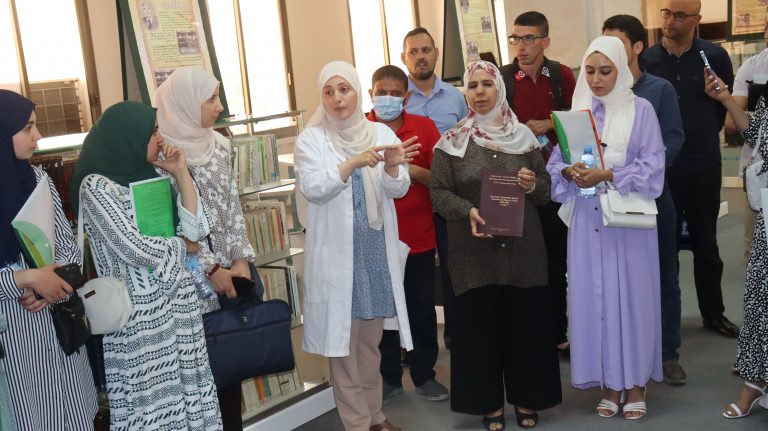
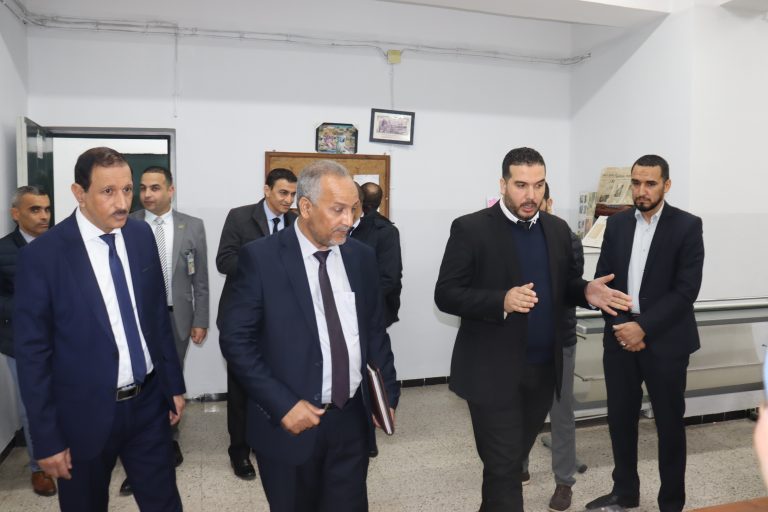
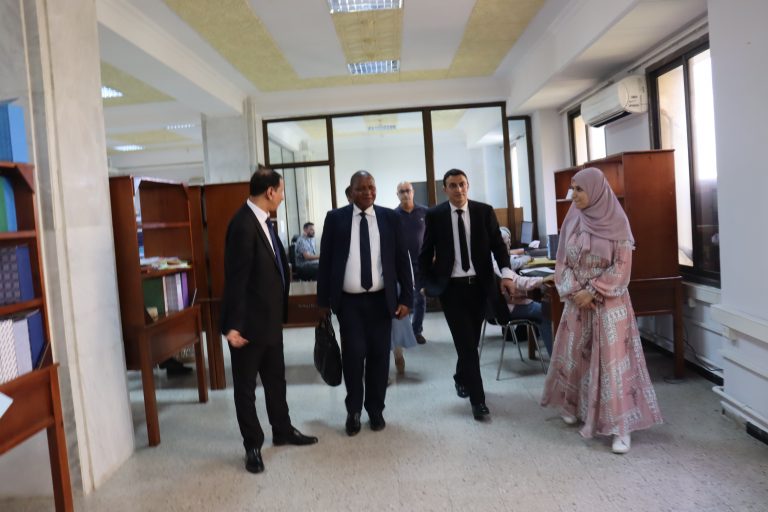
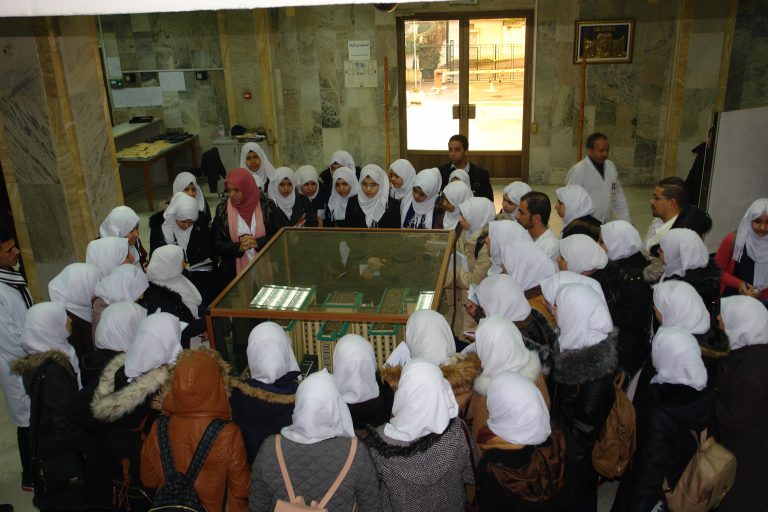
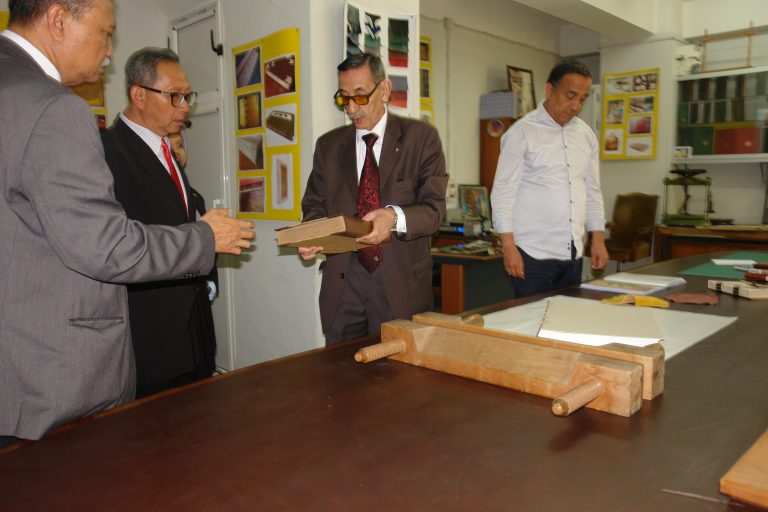
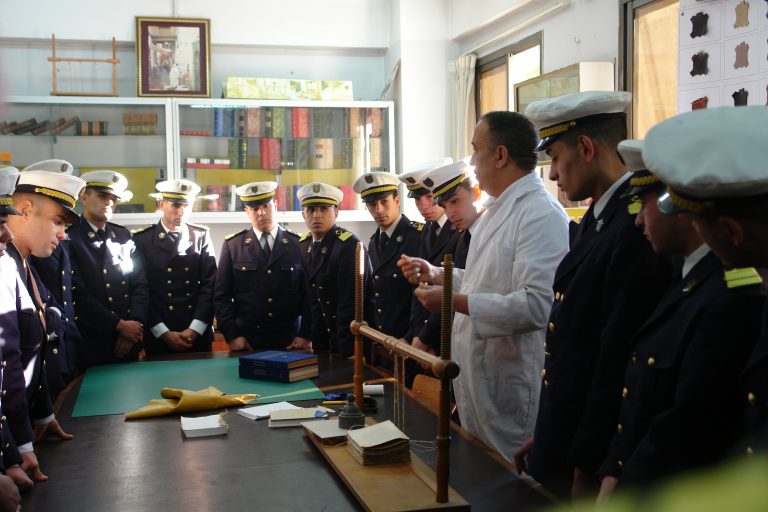
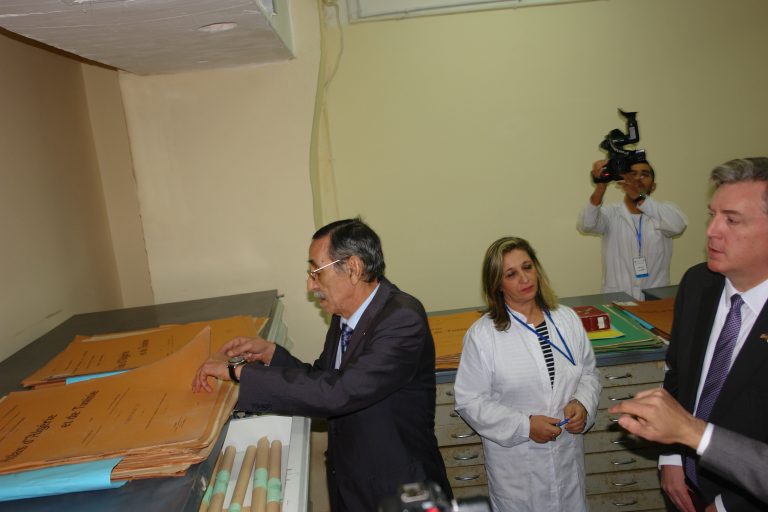
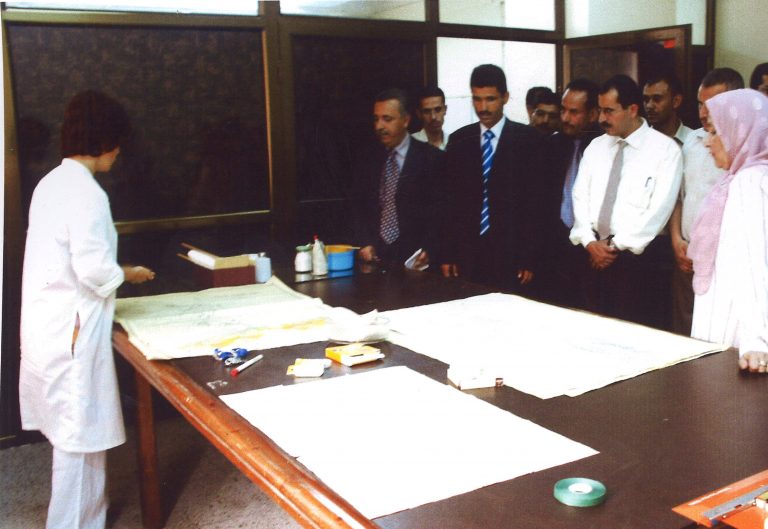
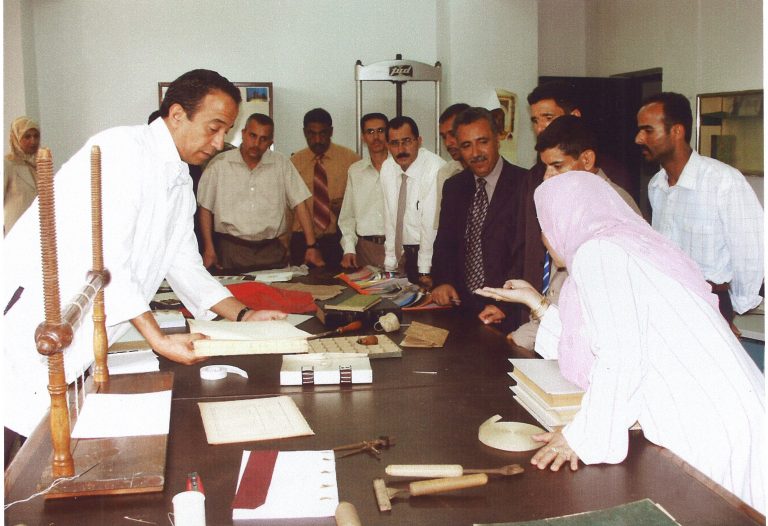
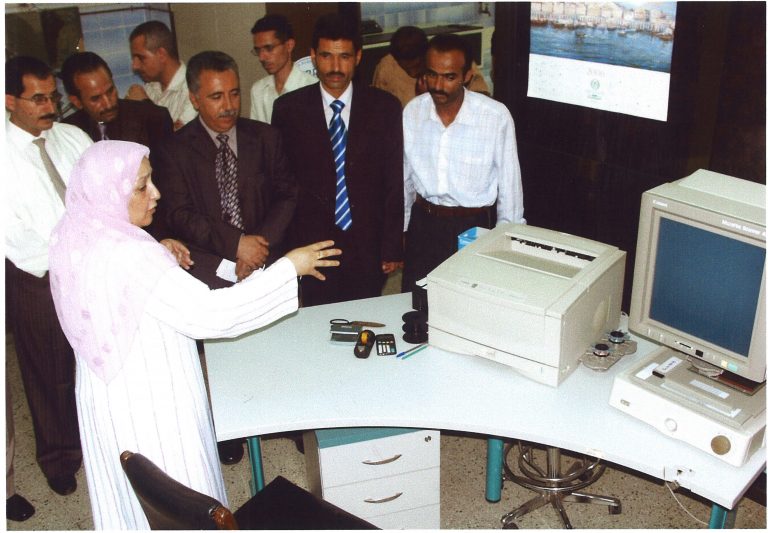
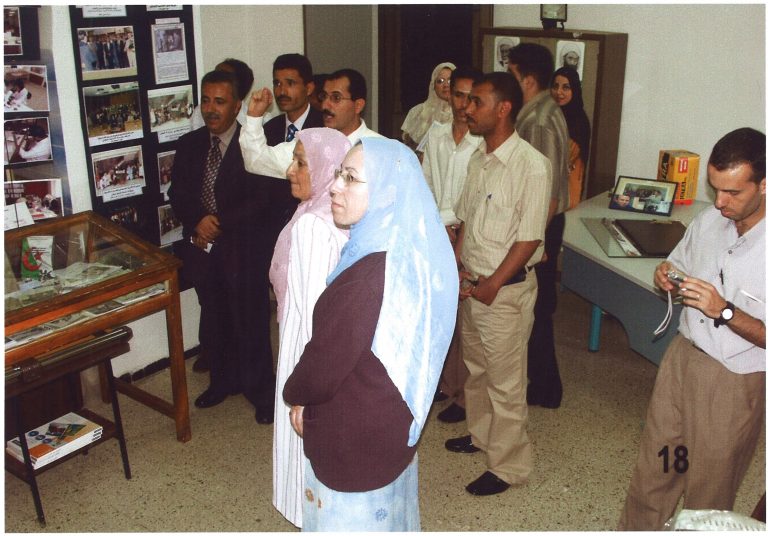
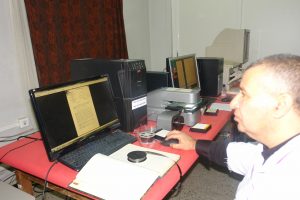
Guided tours of the National Archives Center offer an opportunity to get to know the hidden part of the Center, that is to say the prohibited places (stacks, sorting and depositing rooms, photo laboratories, workshops of binding and restoration and microfilm and microfiche, digitization of documents).
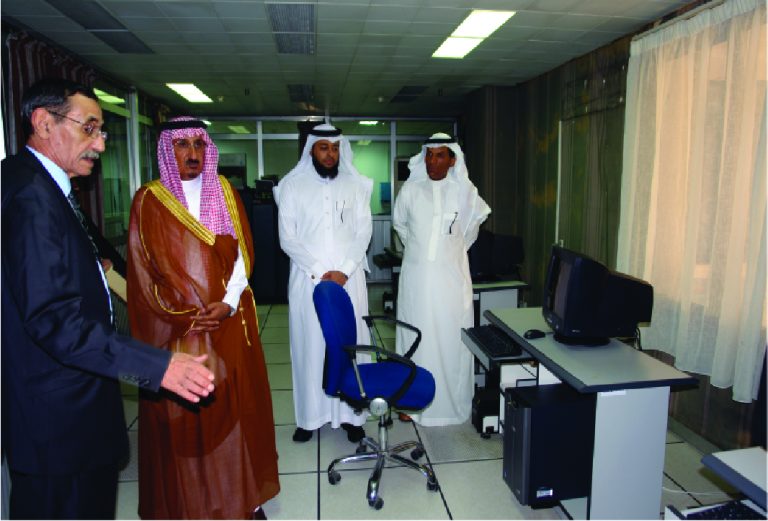
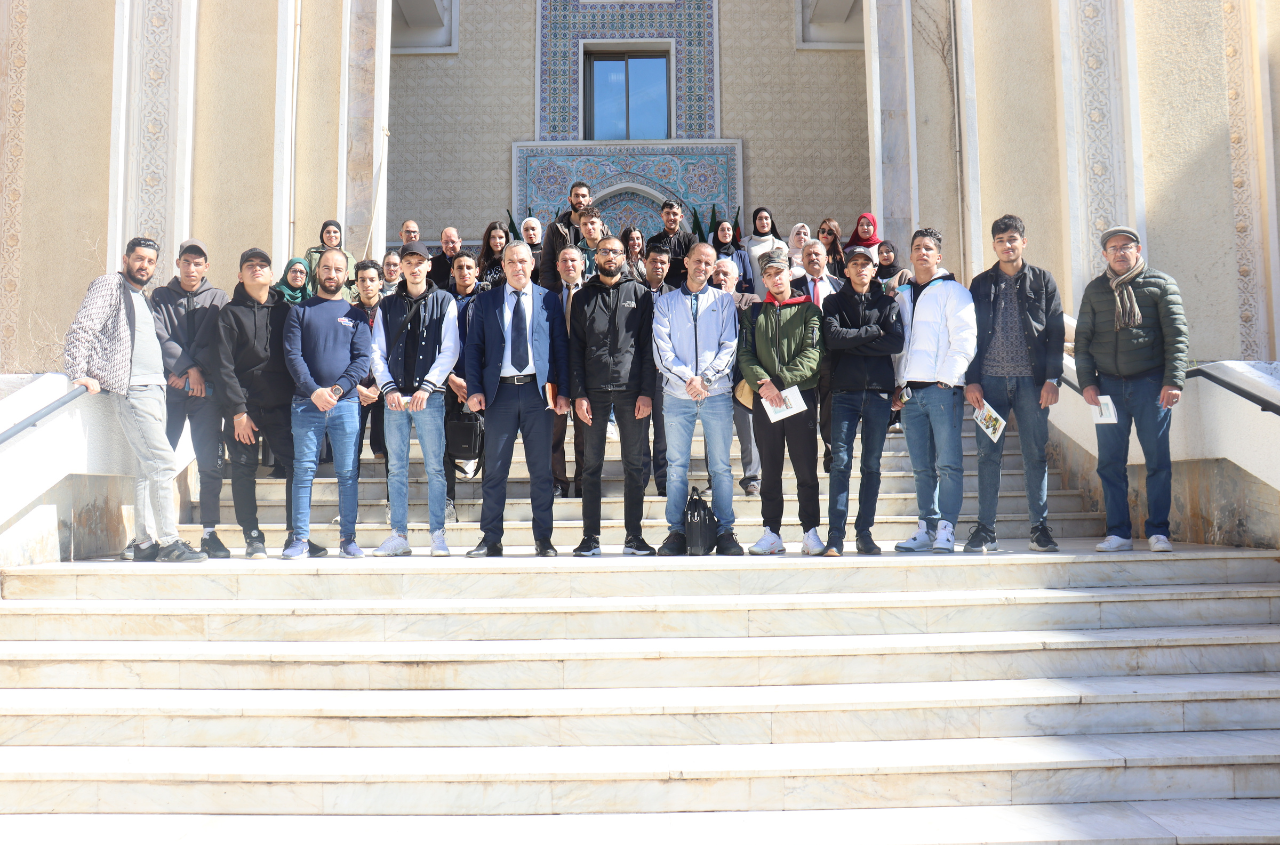
Guided tours of students, pupils, and executives of institutions became one of the most important activities of the Center. They are a proof of the latter’s openness to the public, the fact that increases public’s awareness on the importance of the archives and documents which are preserved there not only for administrative, legal and scientific purposes, but also to keep alive the collective memory of the nation. Archives are therefore an irreplaceable means of confirming and preserving the identity of the people.
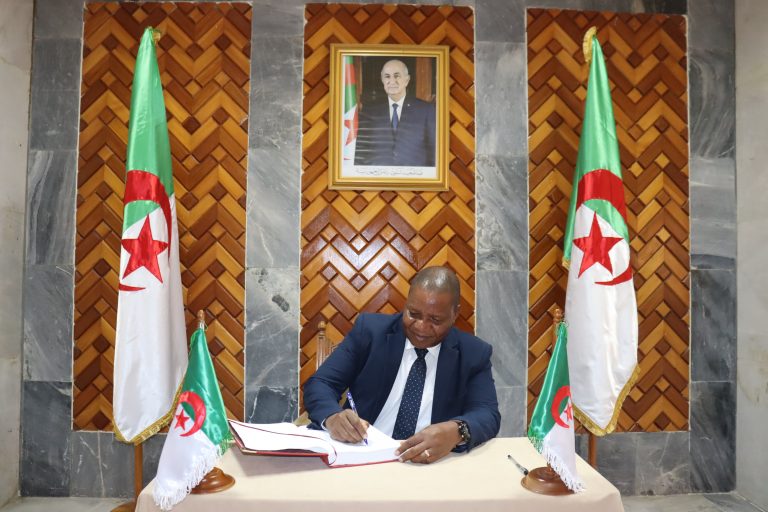
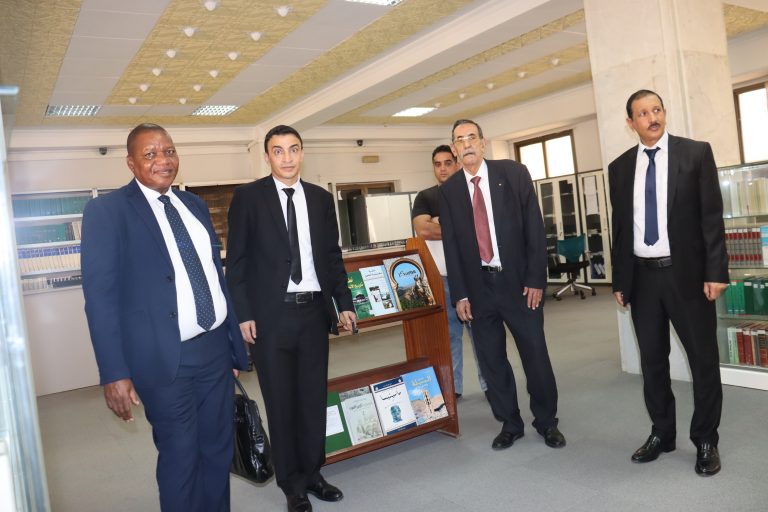
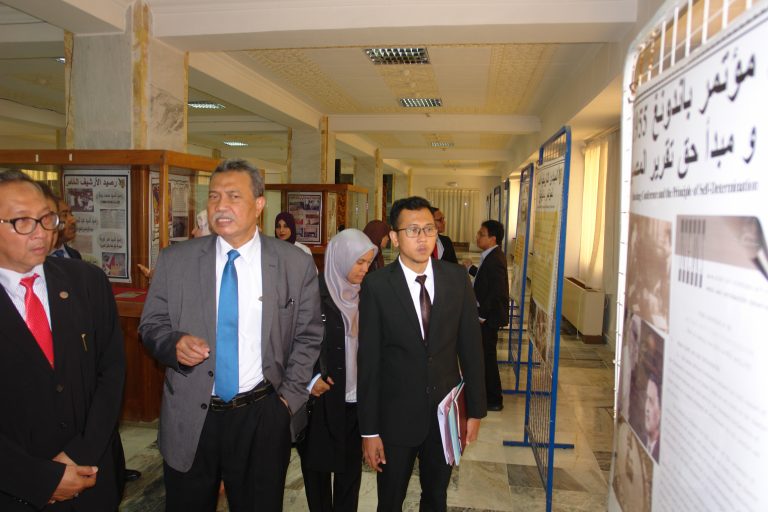
Visit of the Delegate General of the Mauritanian National Documents to the National Archives Center on December 19th, 2023.
Visit of the Director General of Archives Management Department and Tanzanian National Archives on July 31, 2023
Open Doors 2023
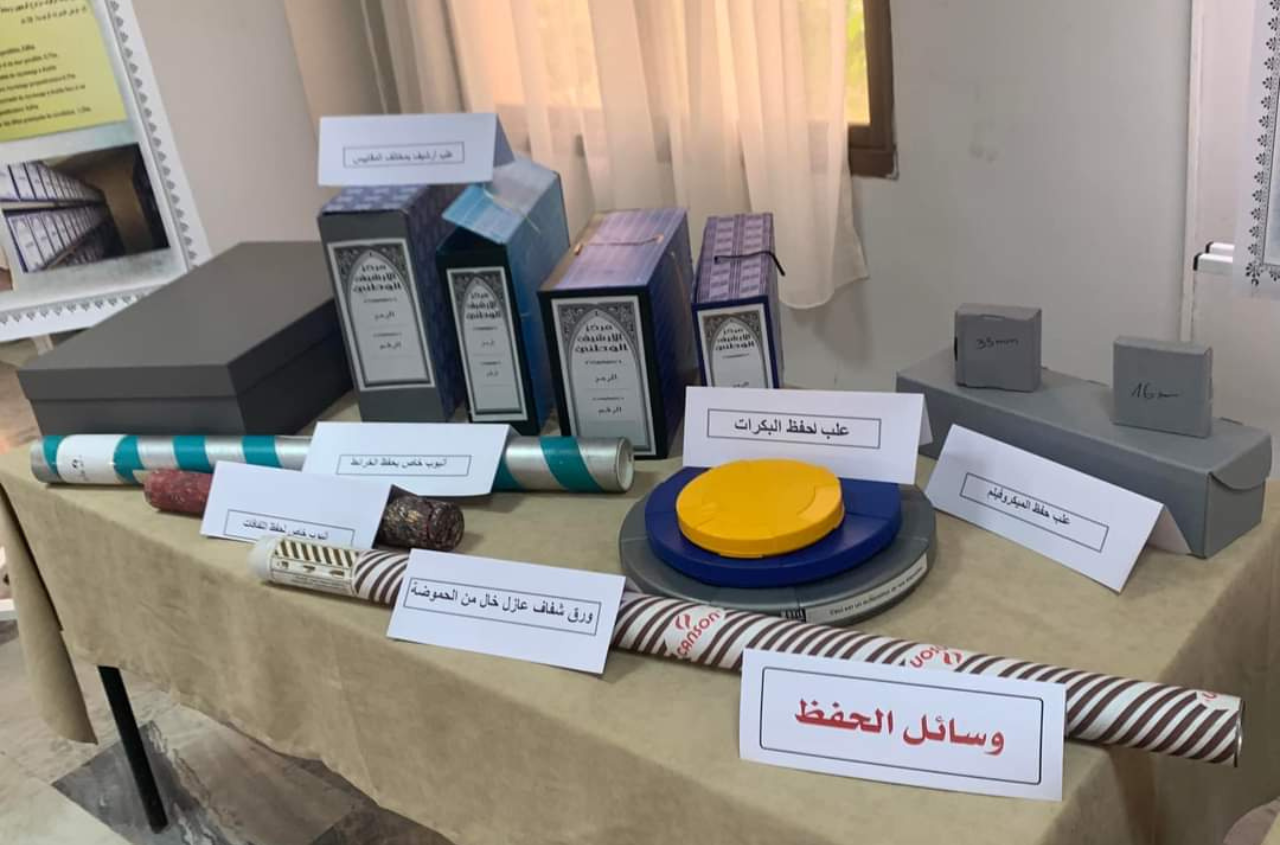
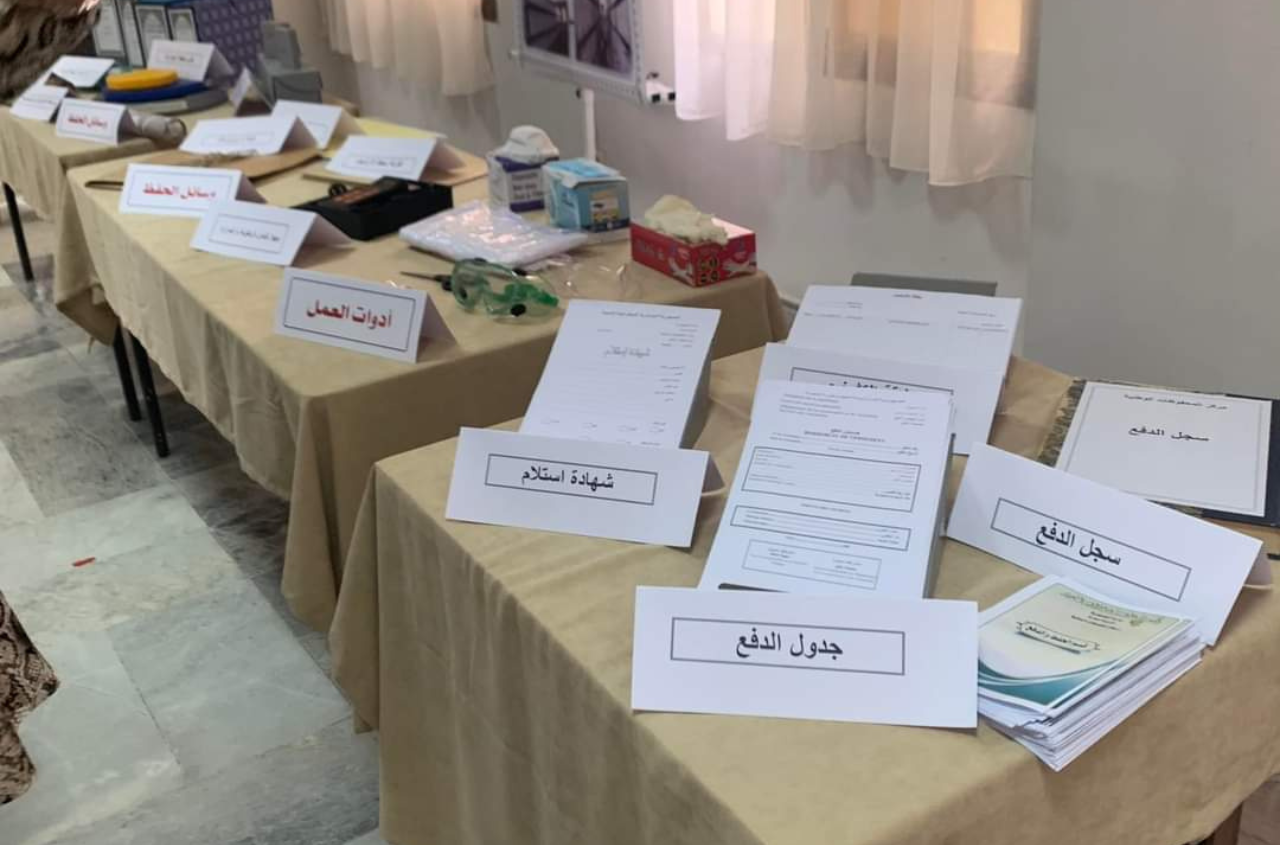
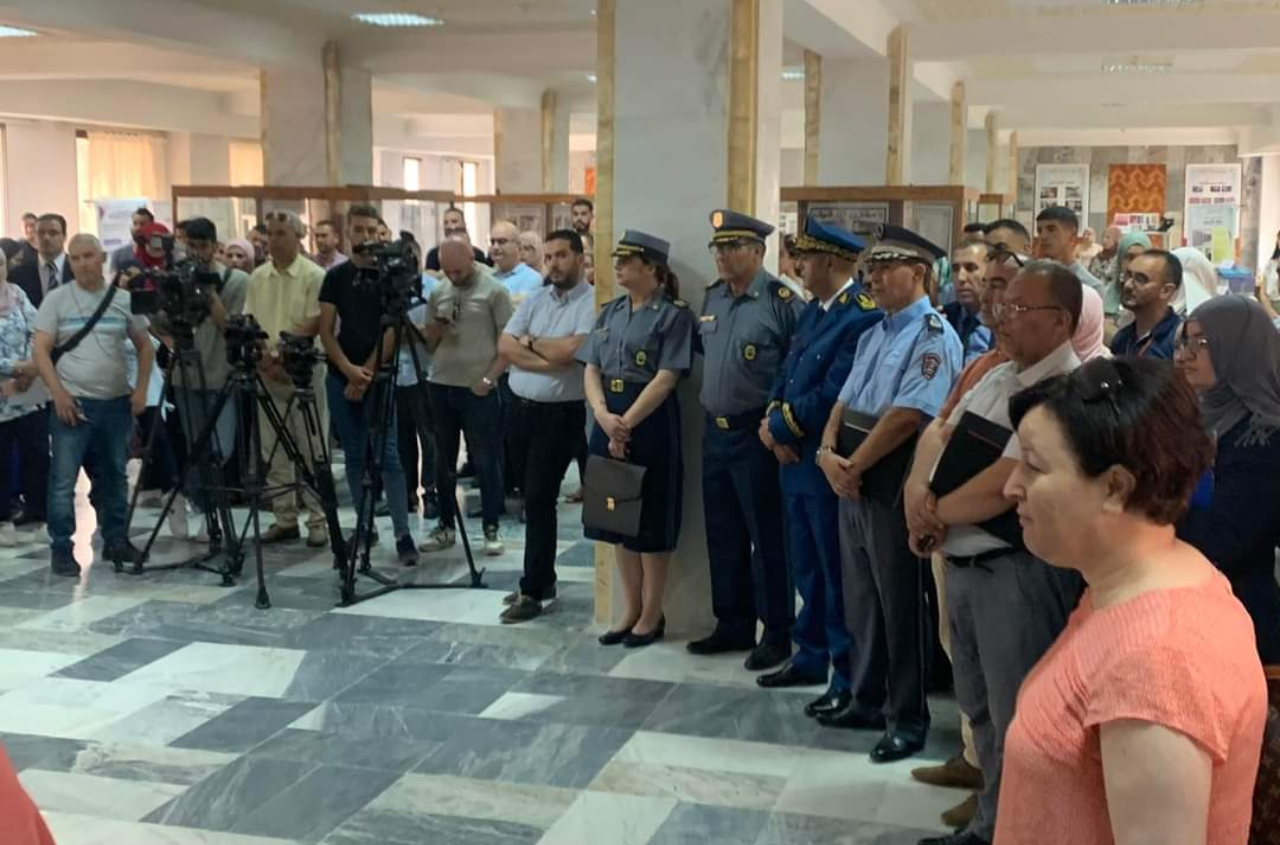
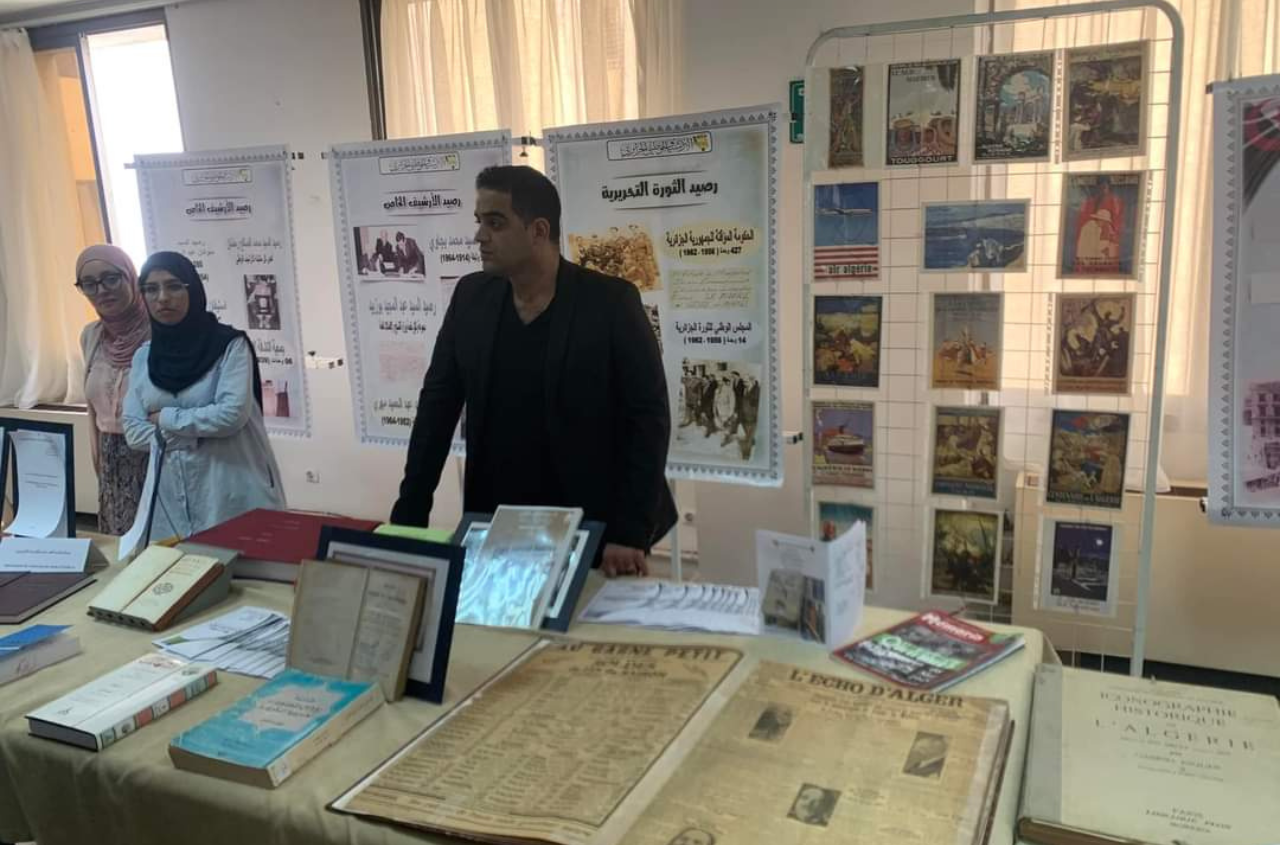
On the occasion of celebrating the International Day of Archives on the 9th of June each year, the National Archives Center organized open doors on Archives which took place in the period between the 20th and 22th of June 2023
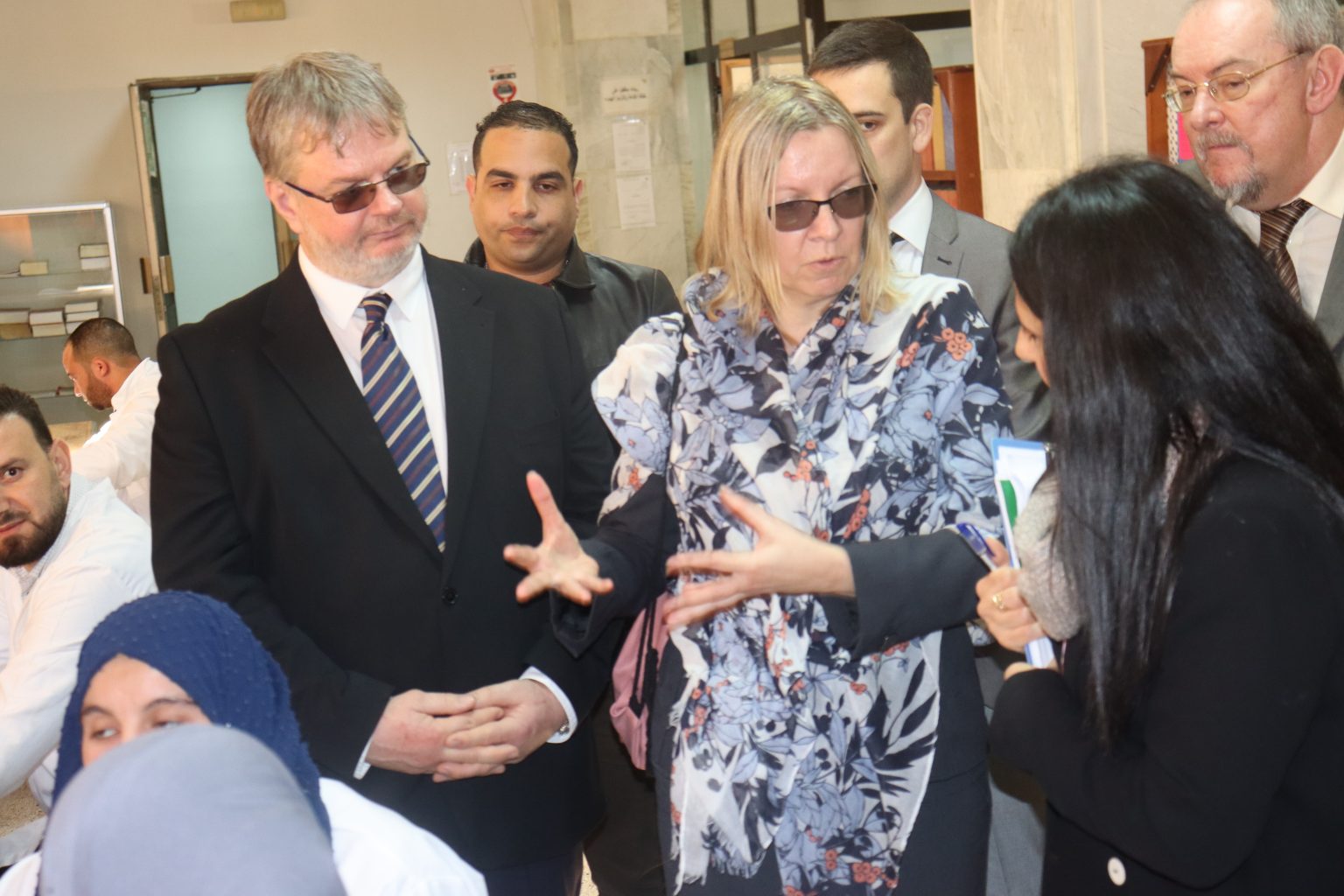
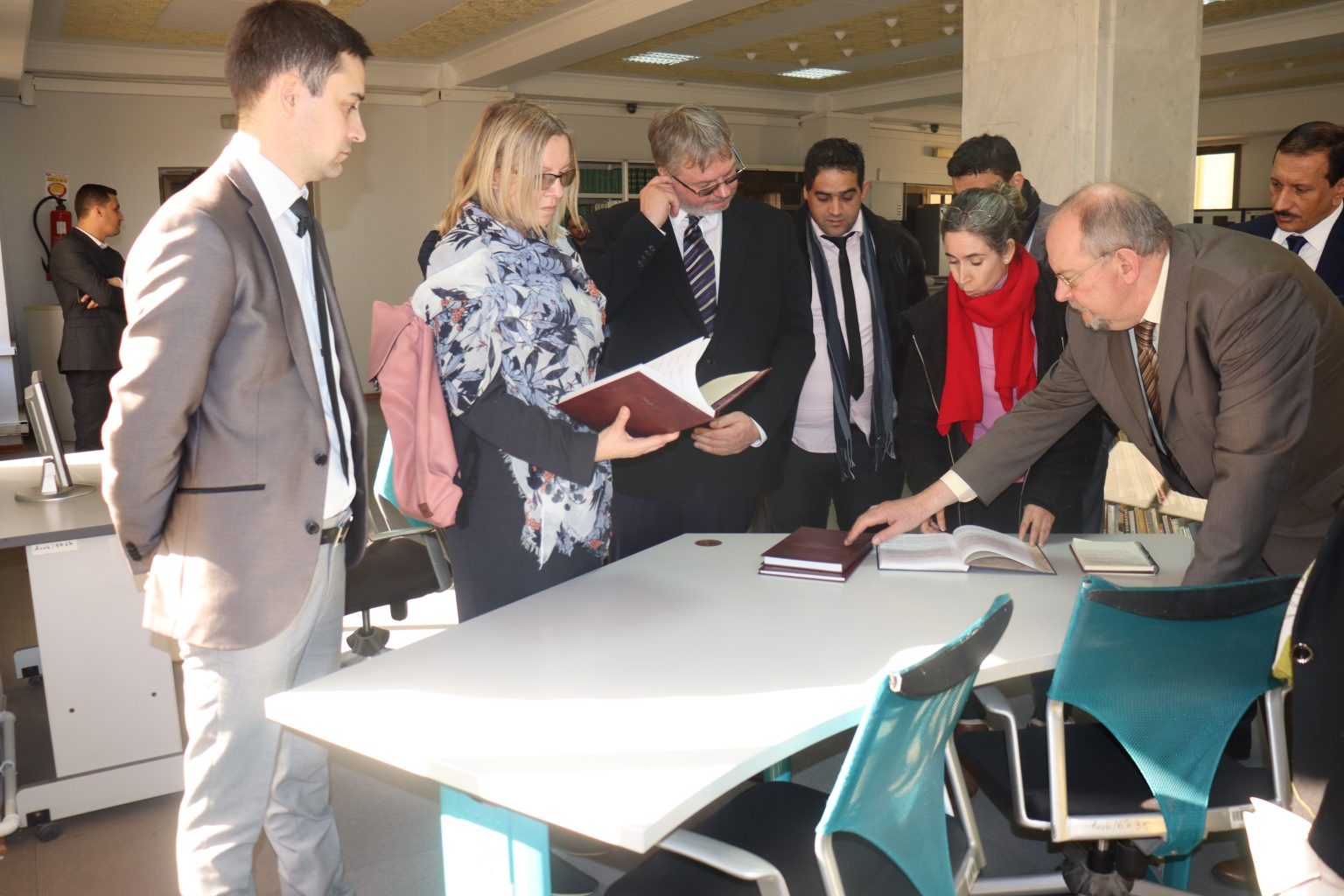
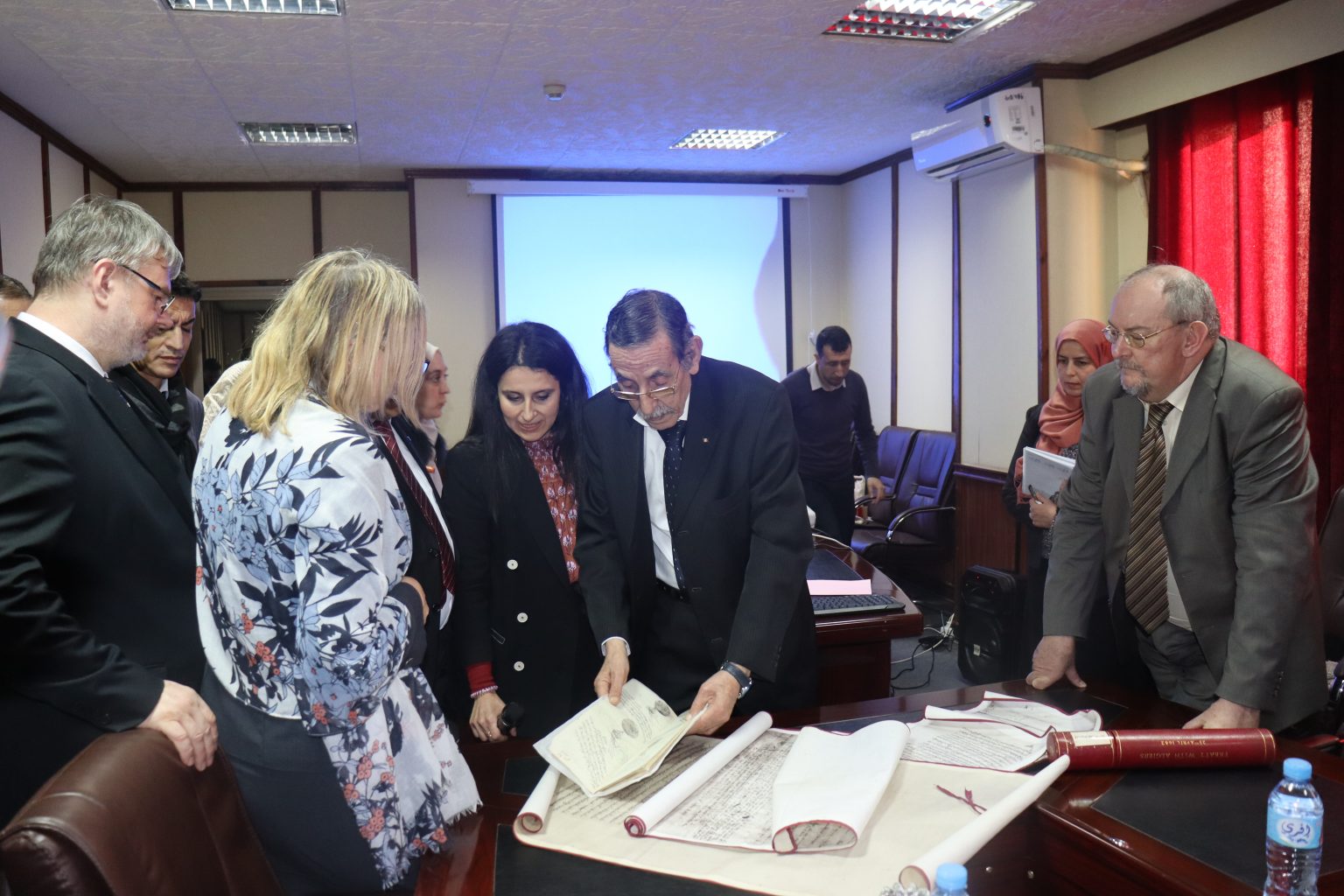
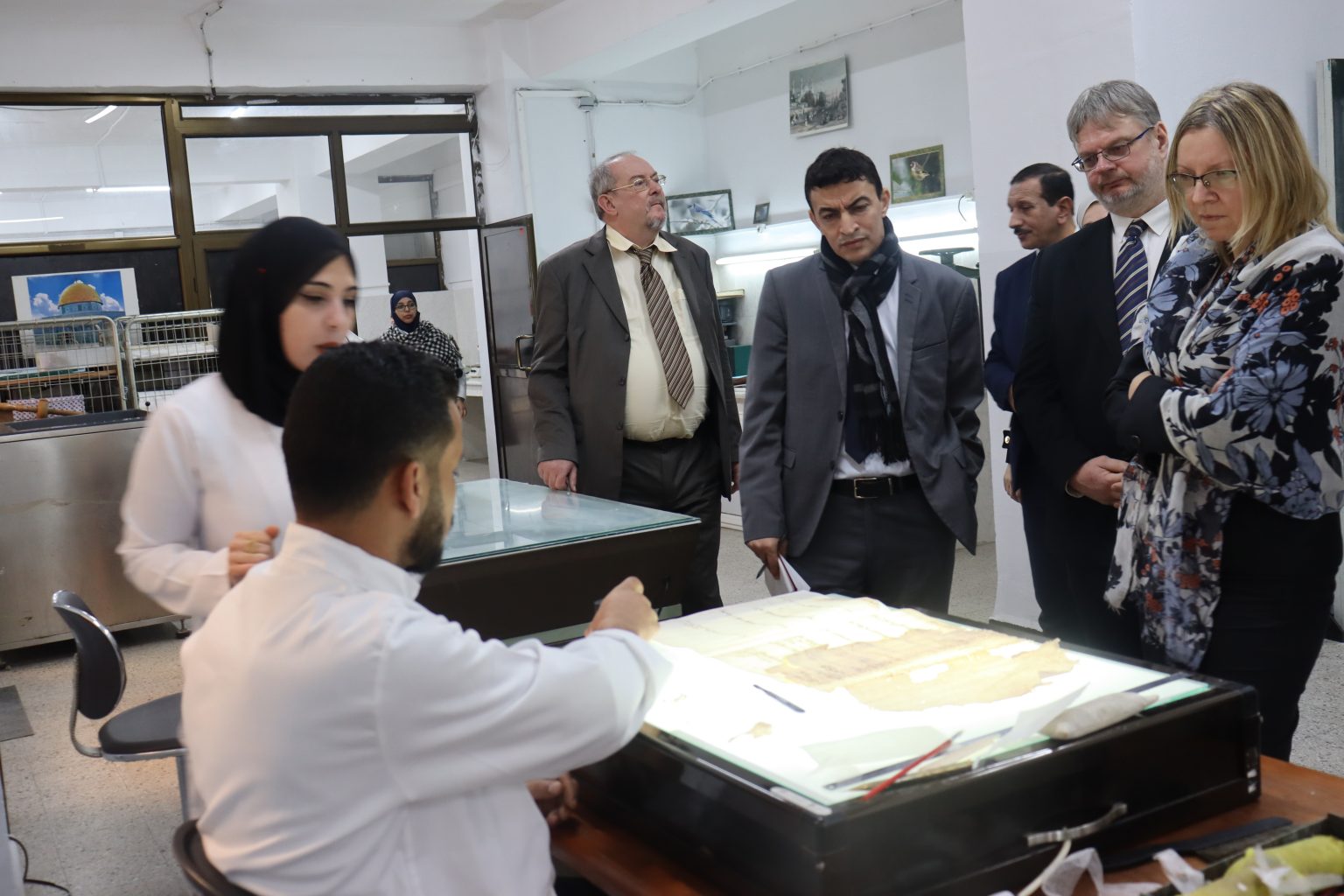
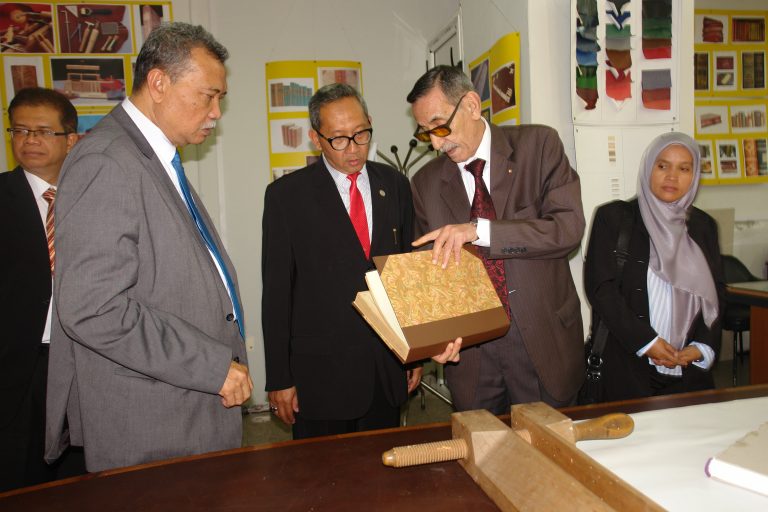
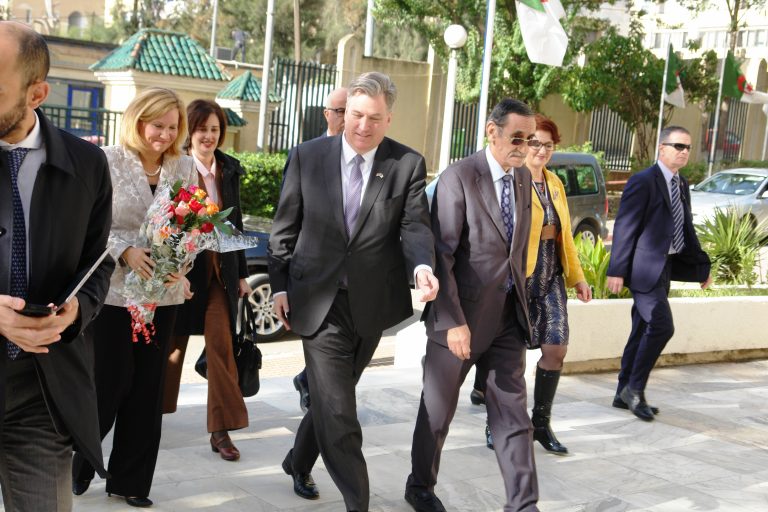
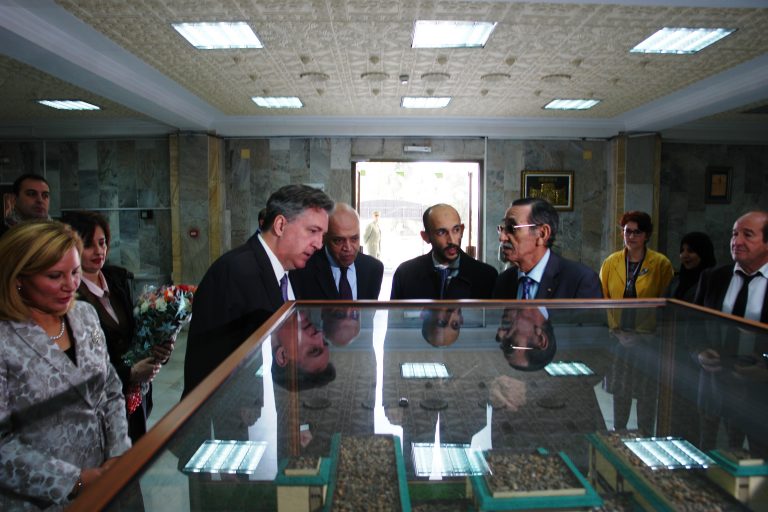
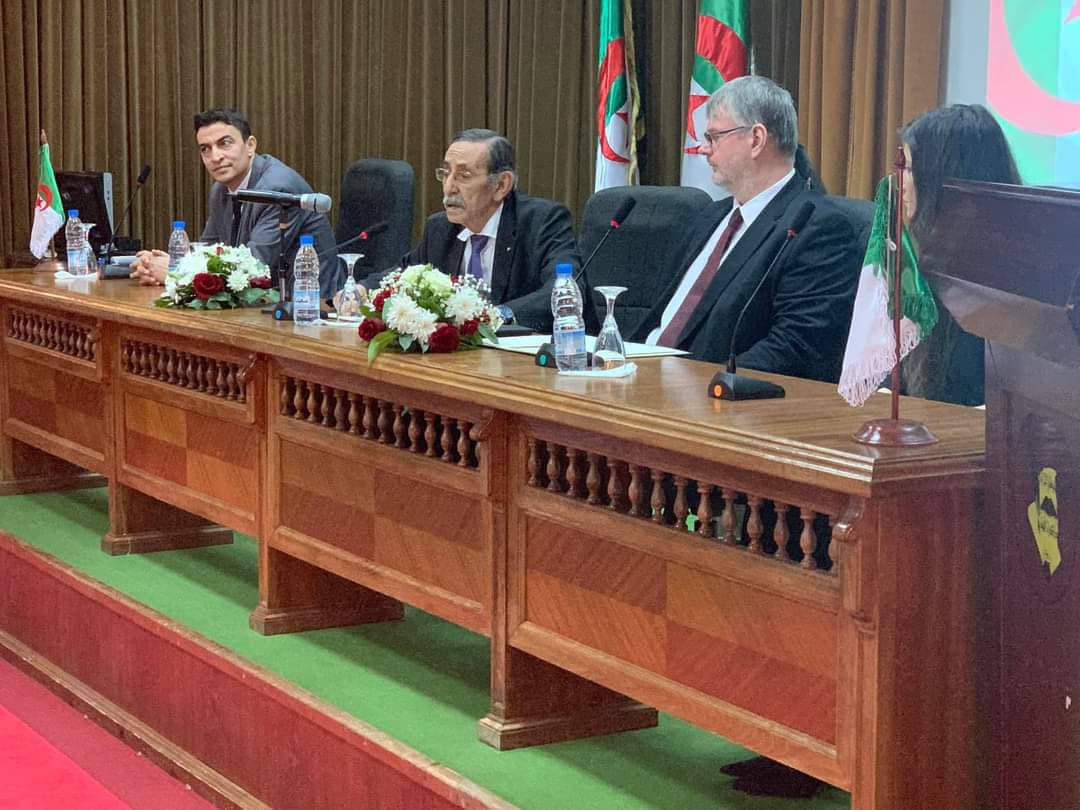
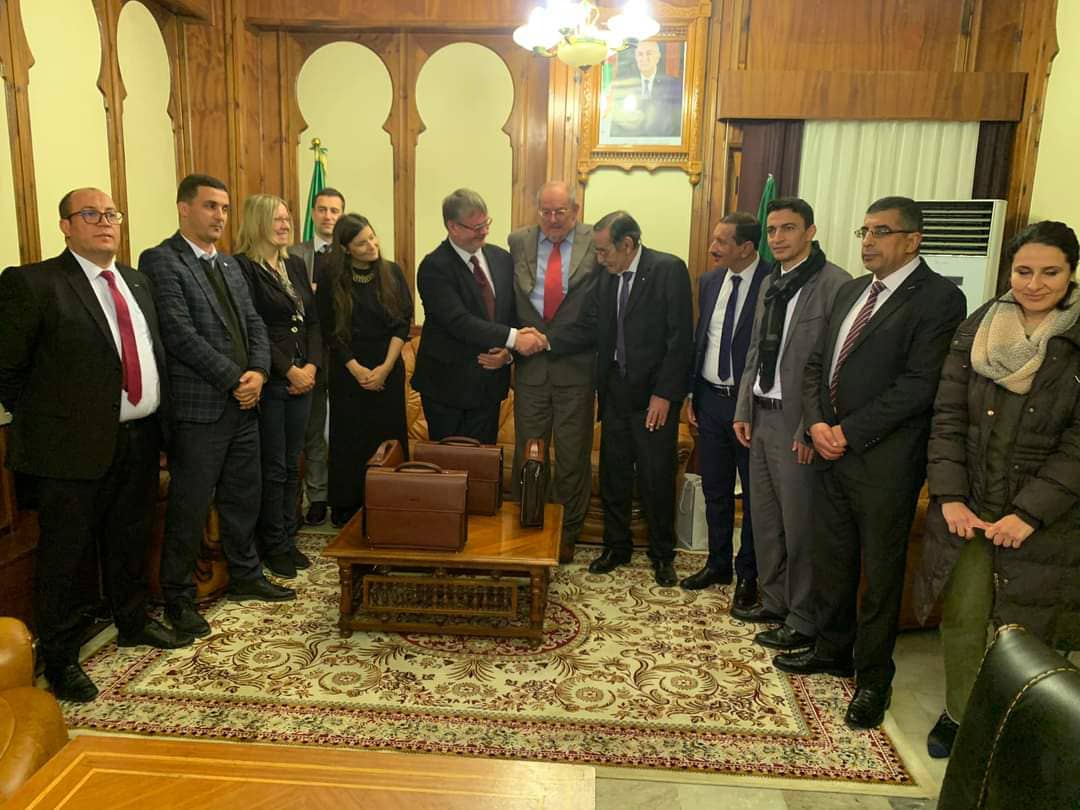
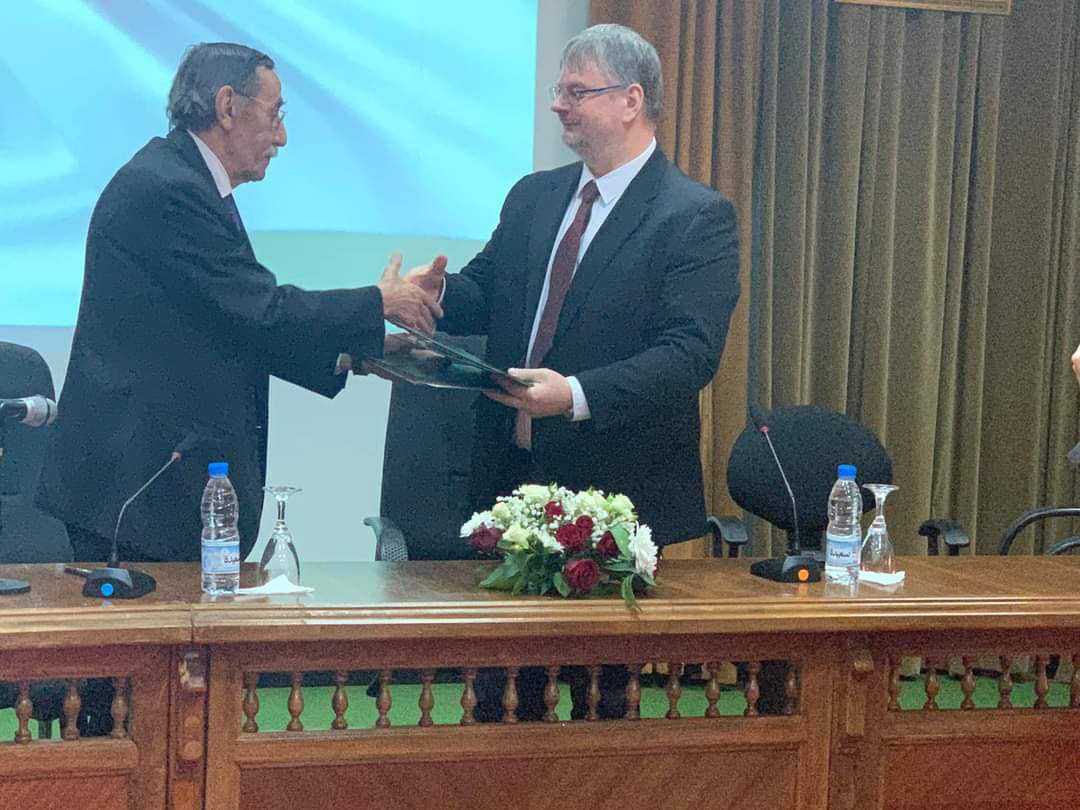
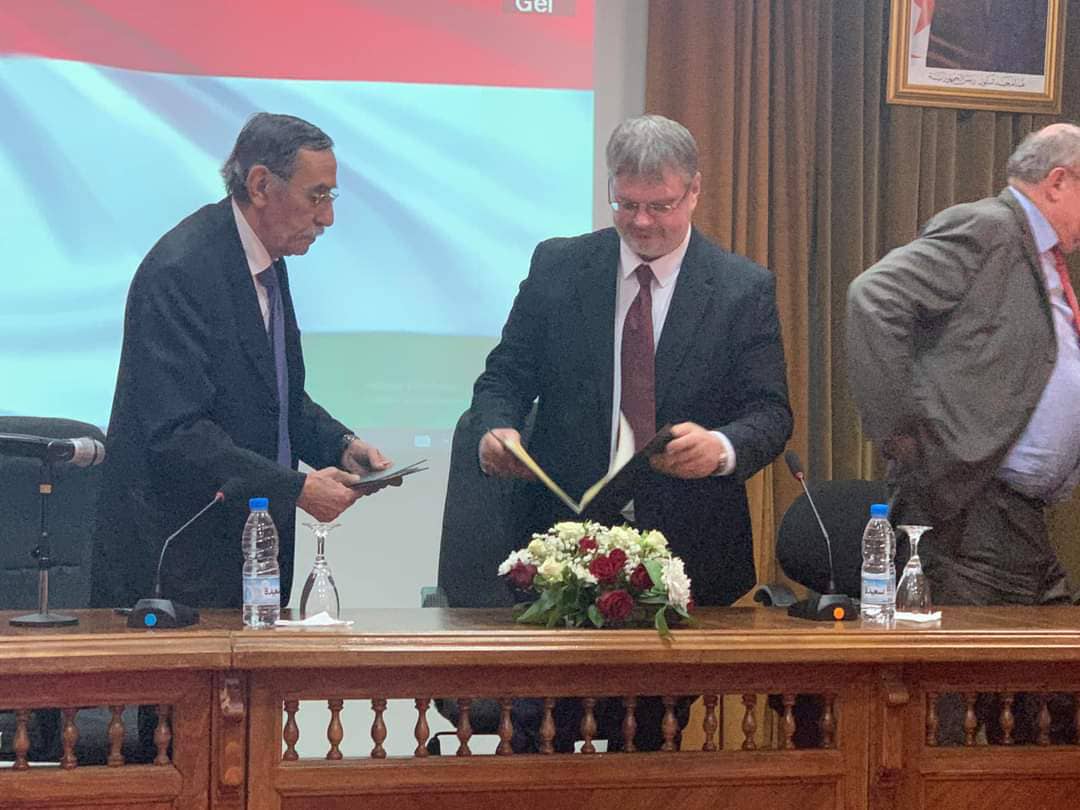
Visit of the Hungarian Delegation
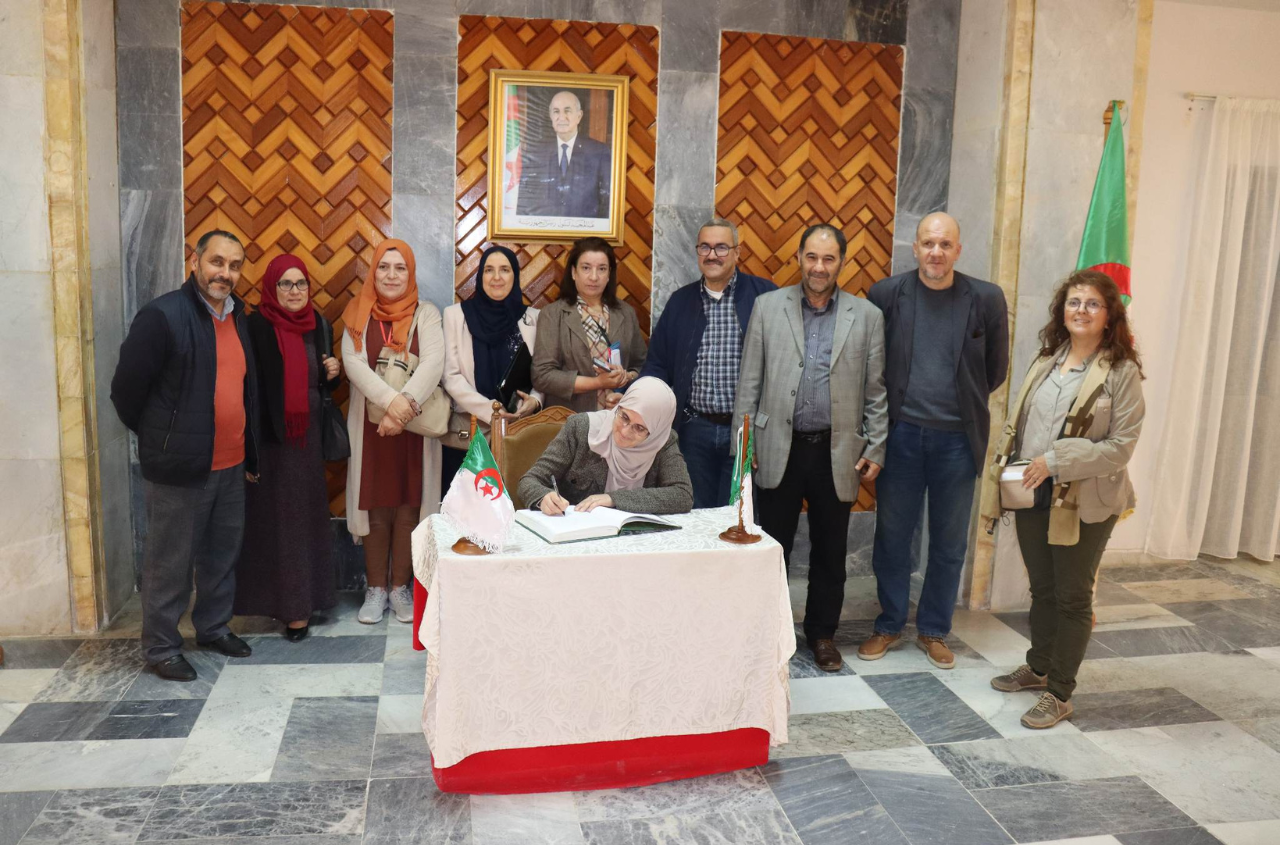
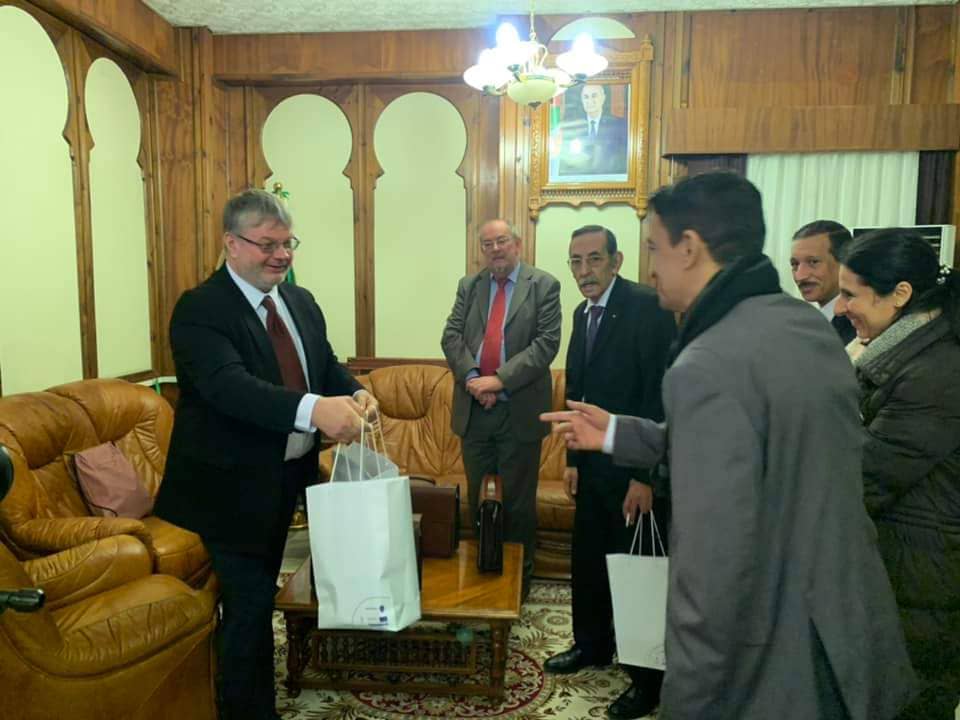
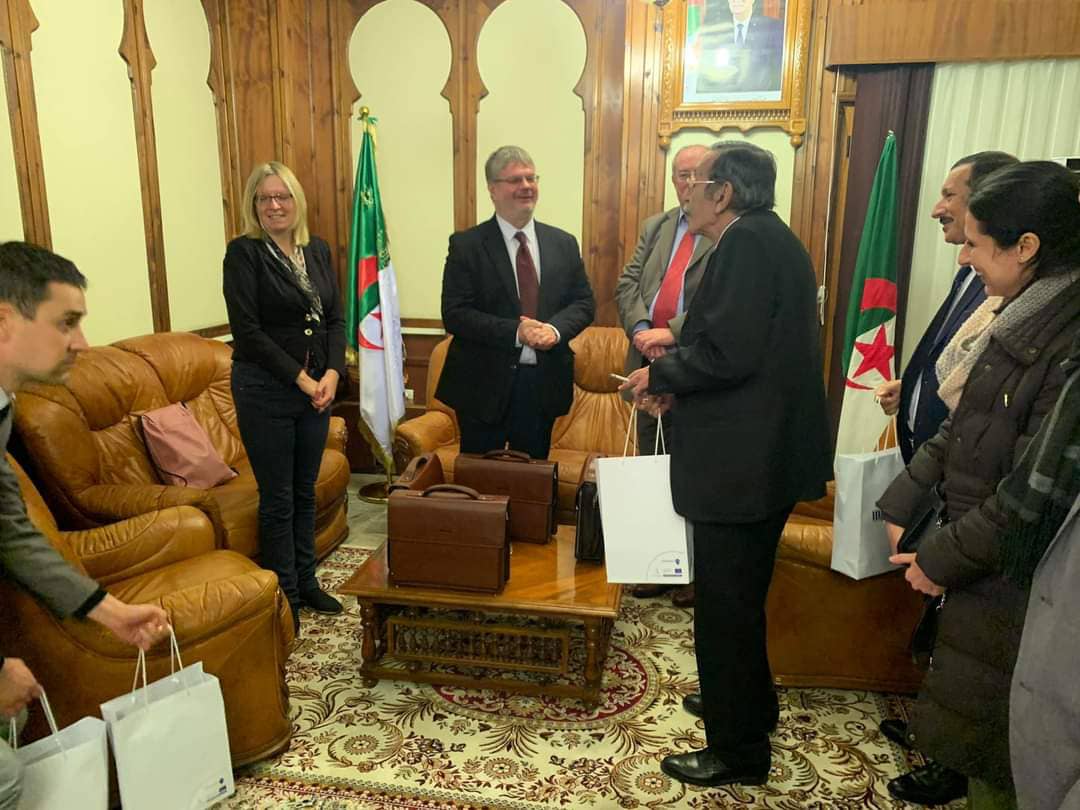
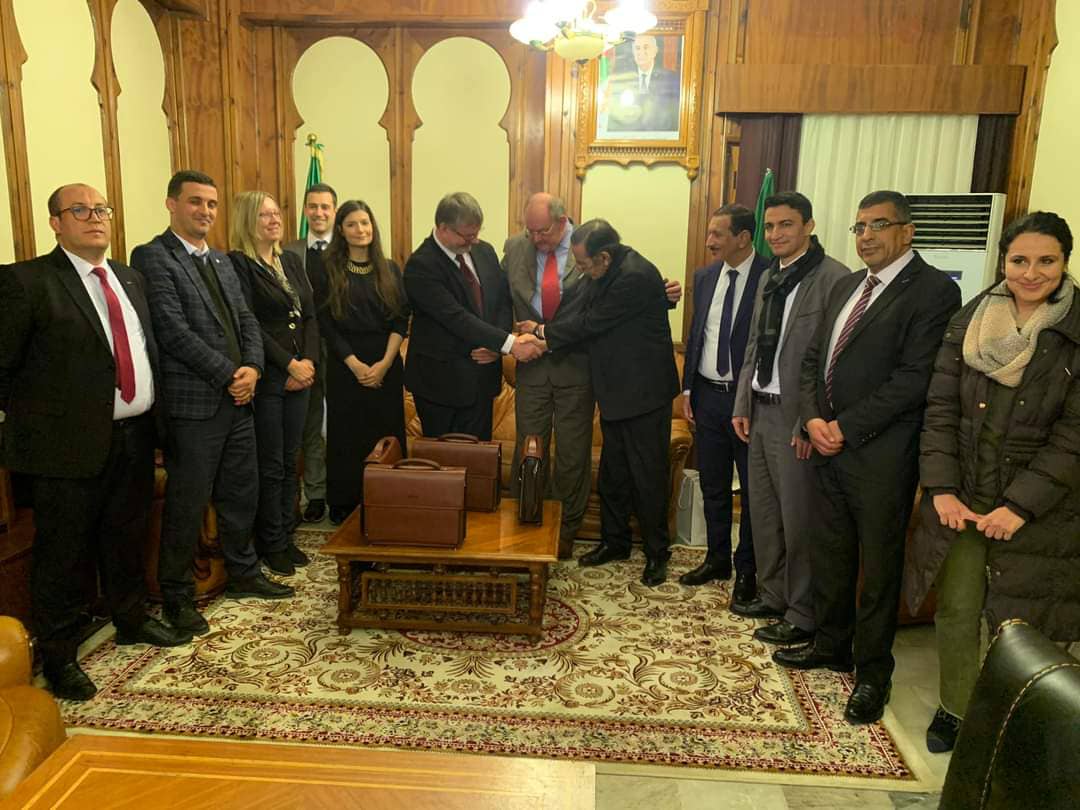
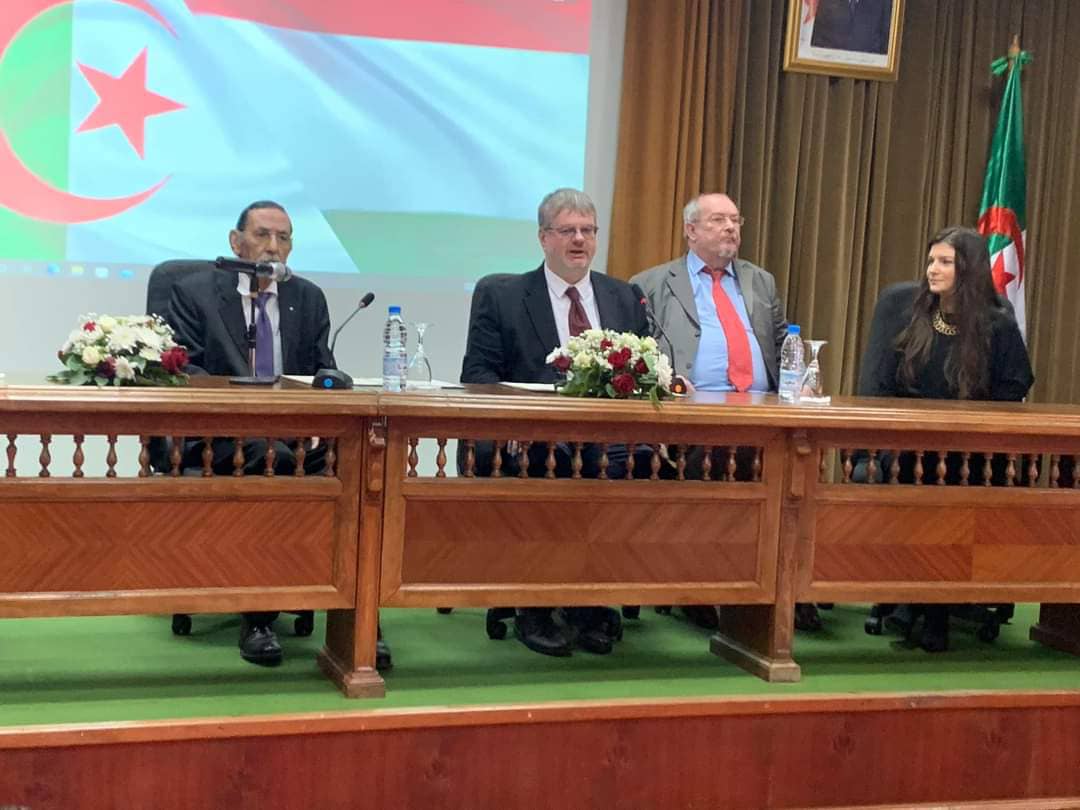
On the sideline of signing a cooperation agreement between the two parties, the Hungarian delegation had a field visit to the facilities of the National Archives institution, during which the delegation learned about the material and human capabilities of the Center.
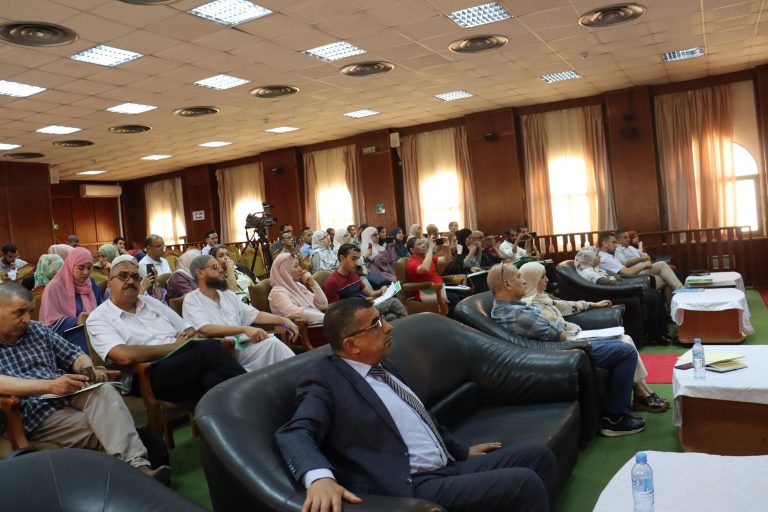
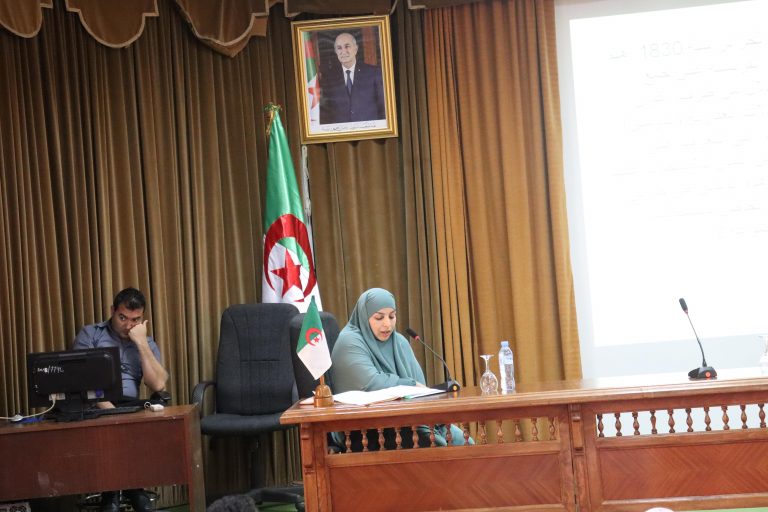
They are intellectual meetings, during which topics concomitant to the event and/or related to the field of archives are presented, analyzed and discussed to come with conclusions and recommendations that ensure the advancement of the archives sector. Colloquia are the techniques and means most adopted by the National Archives Center, because they allow different archivists at the national and international level to exchange their opinions and experiences, and they are also a means of education and training.
Seminar on “The Health System in Algeria, between Yesterday and Today”
2023
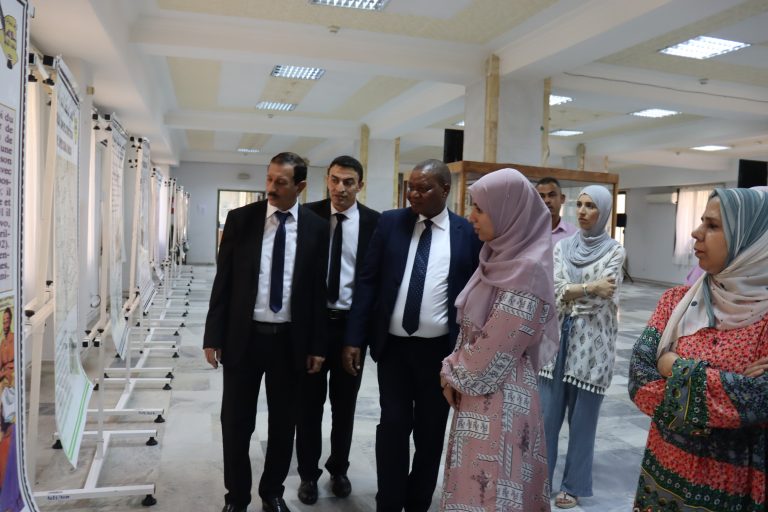
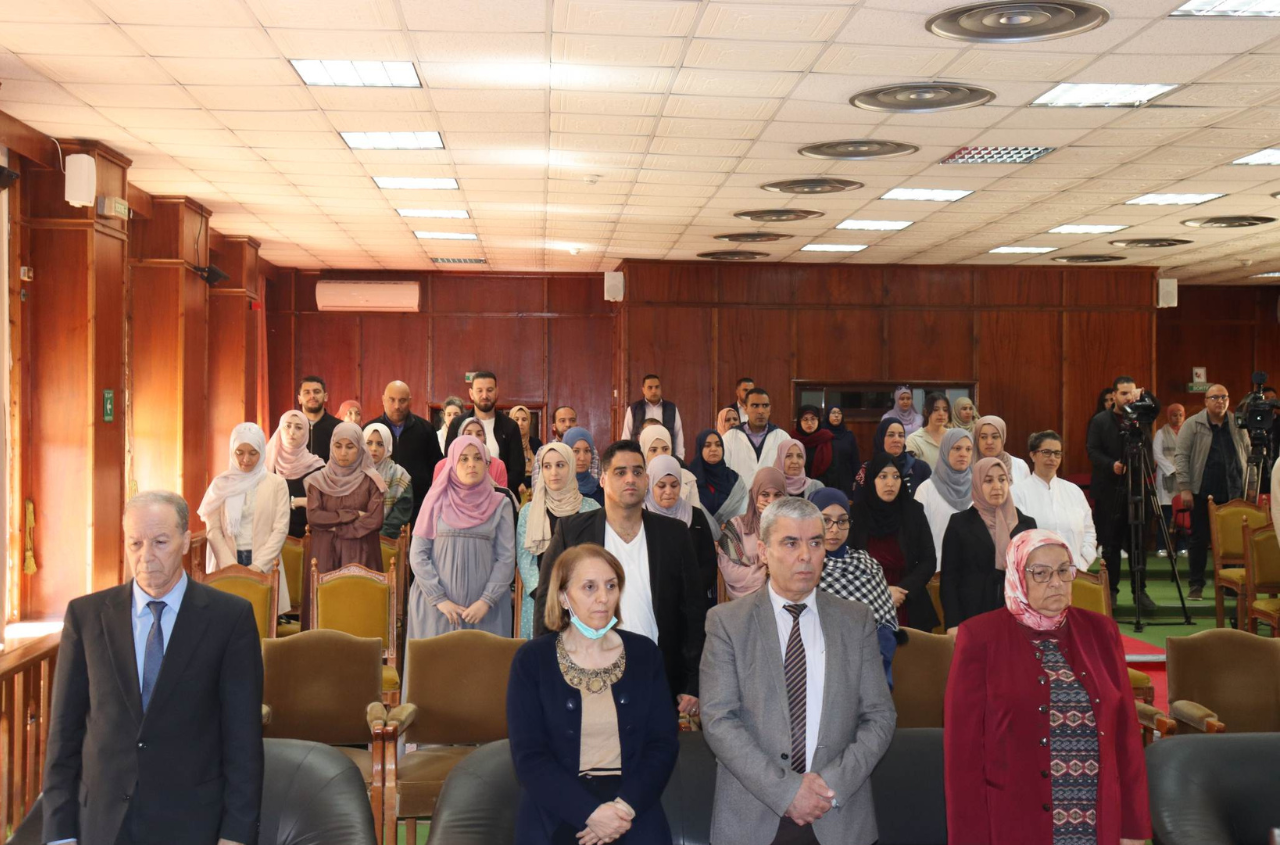
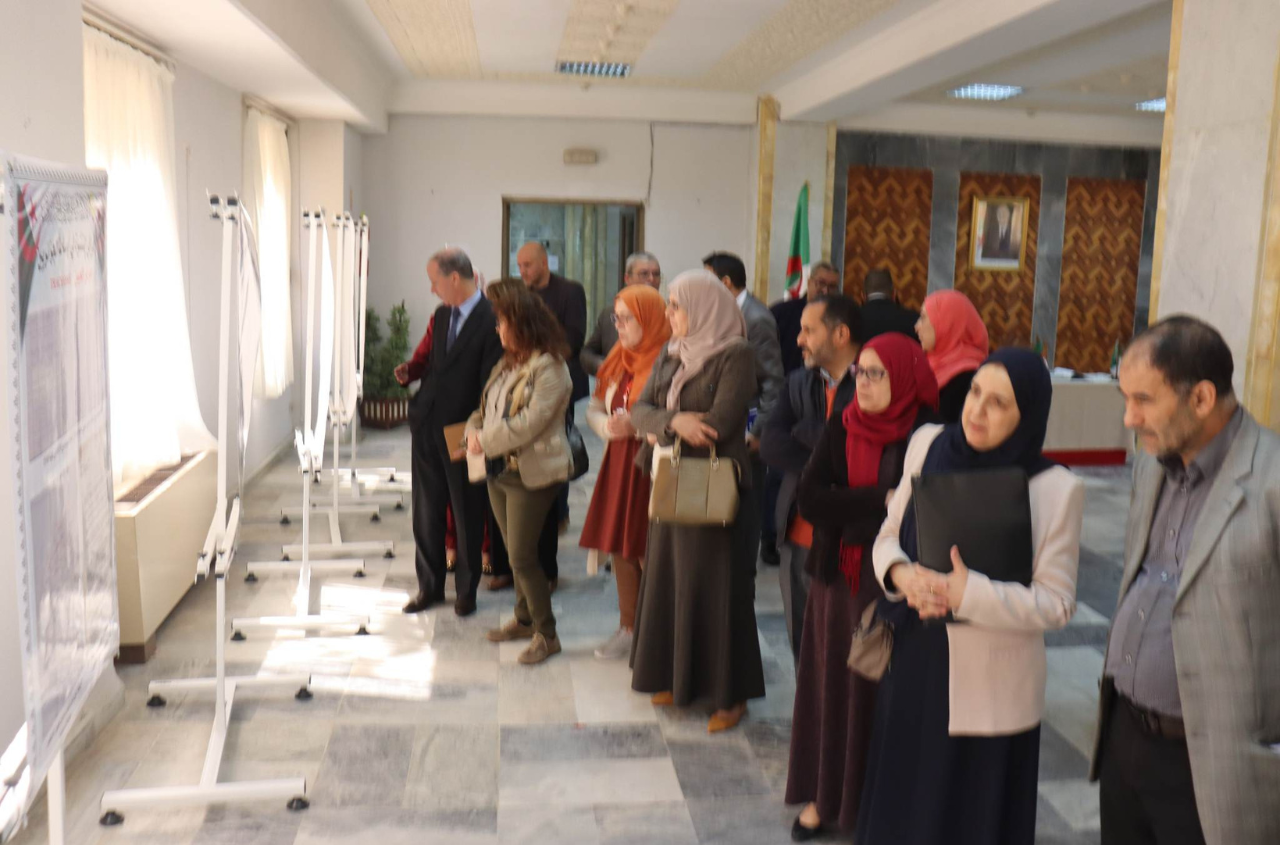
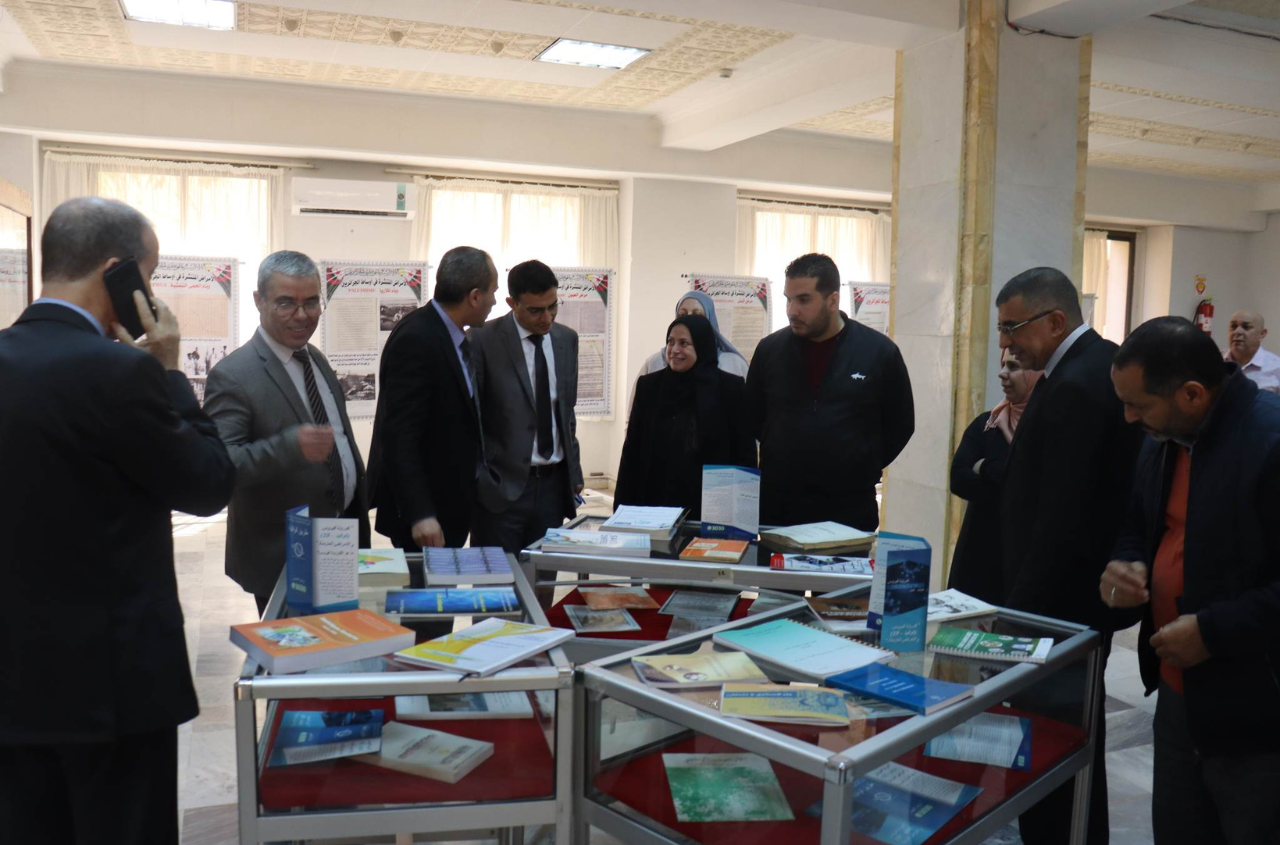
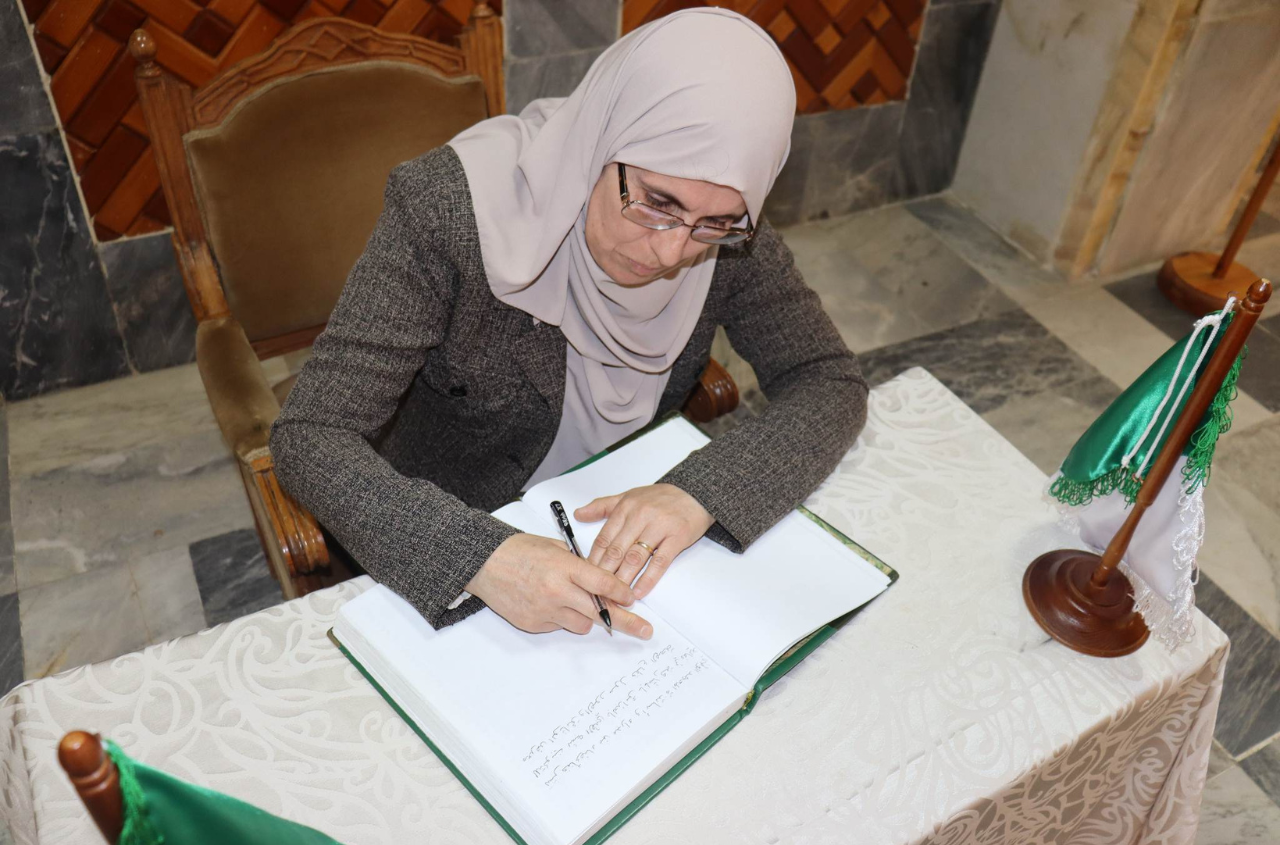
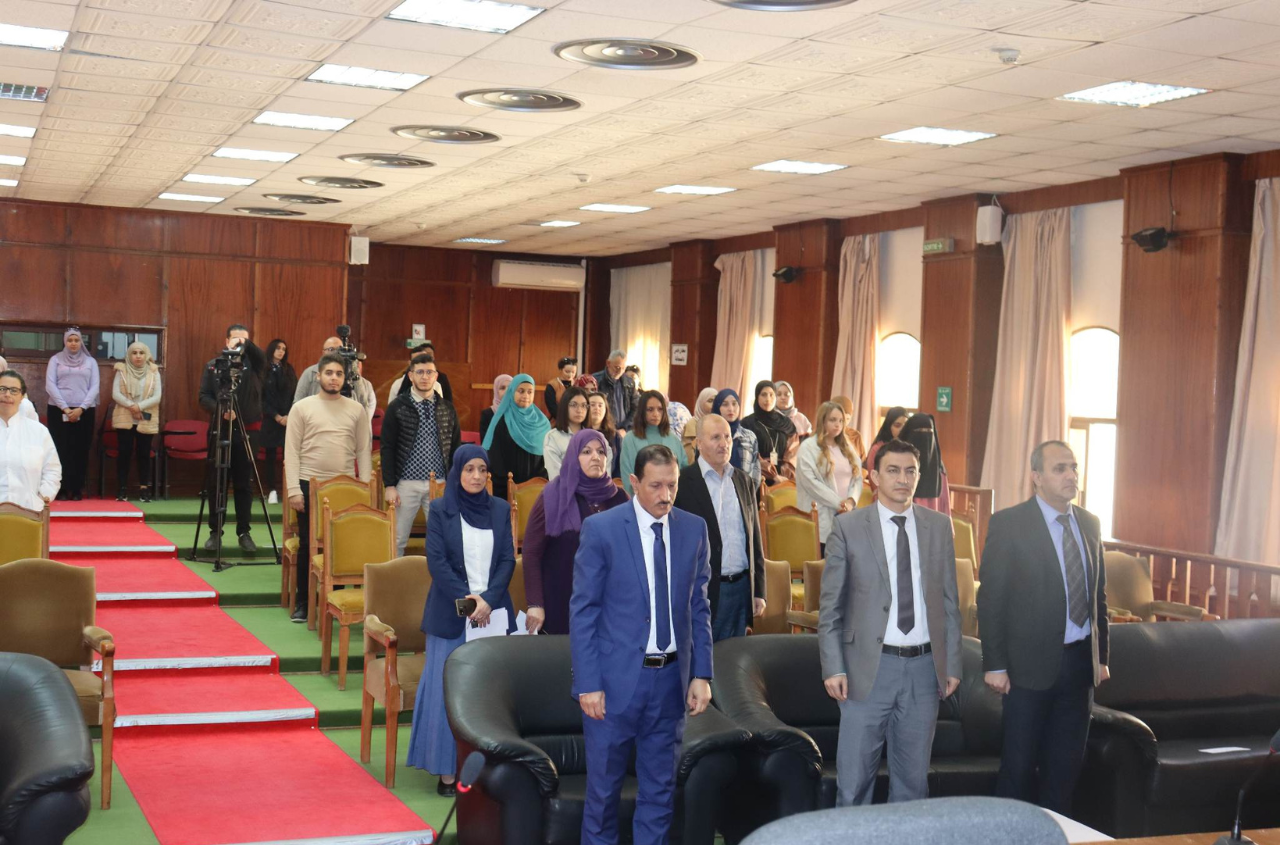
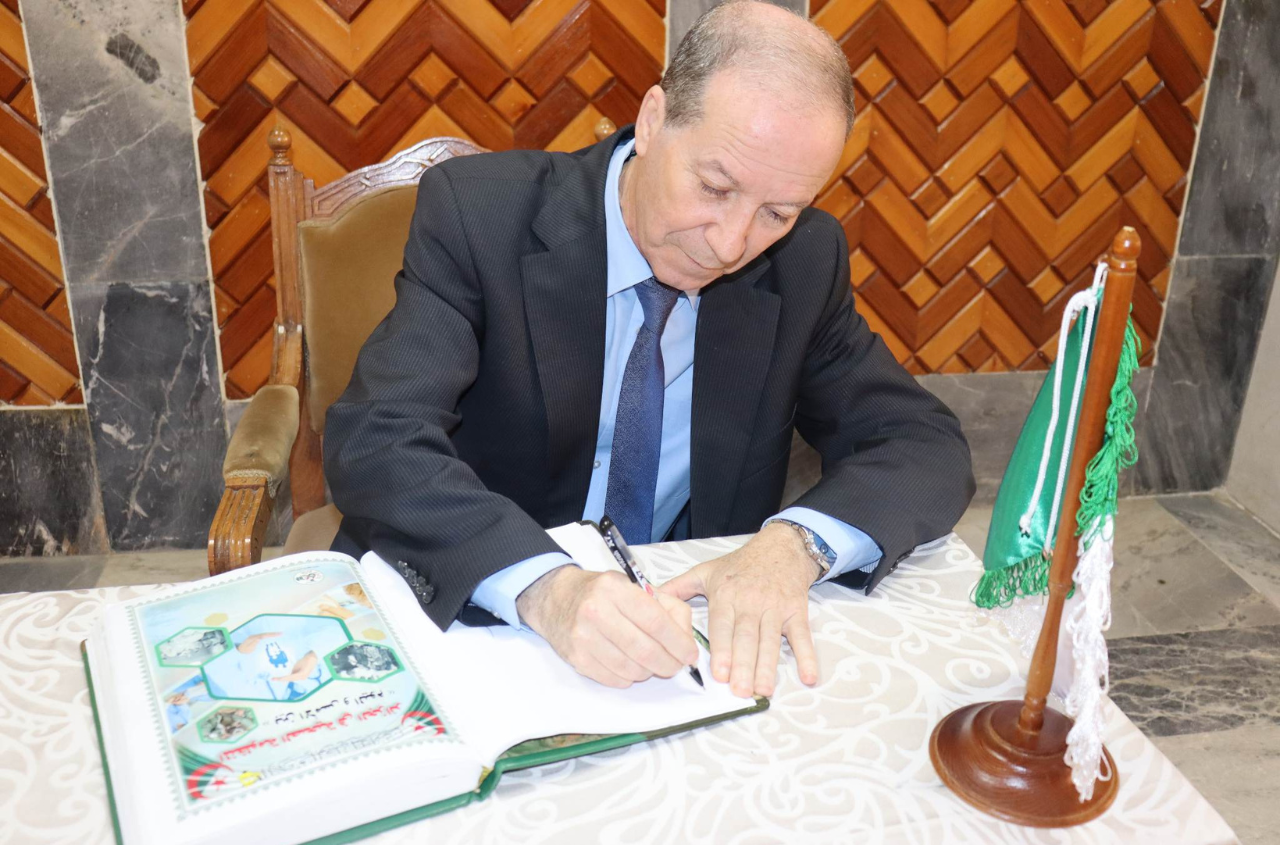
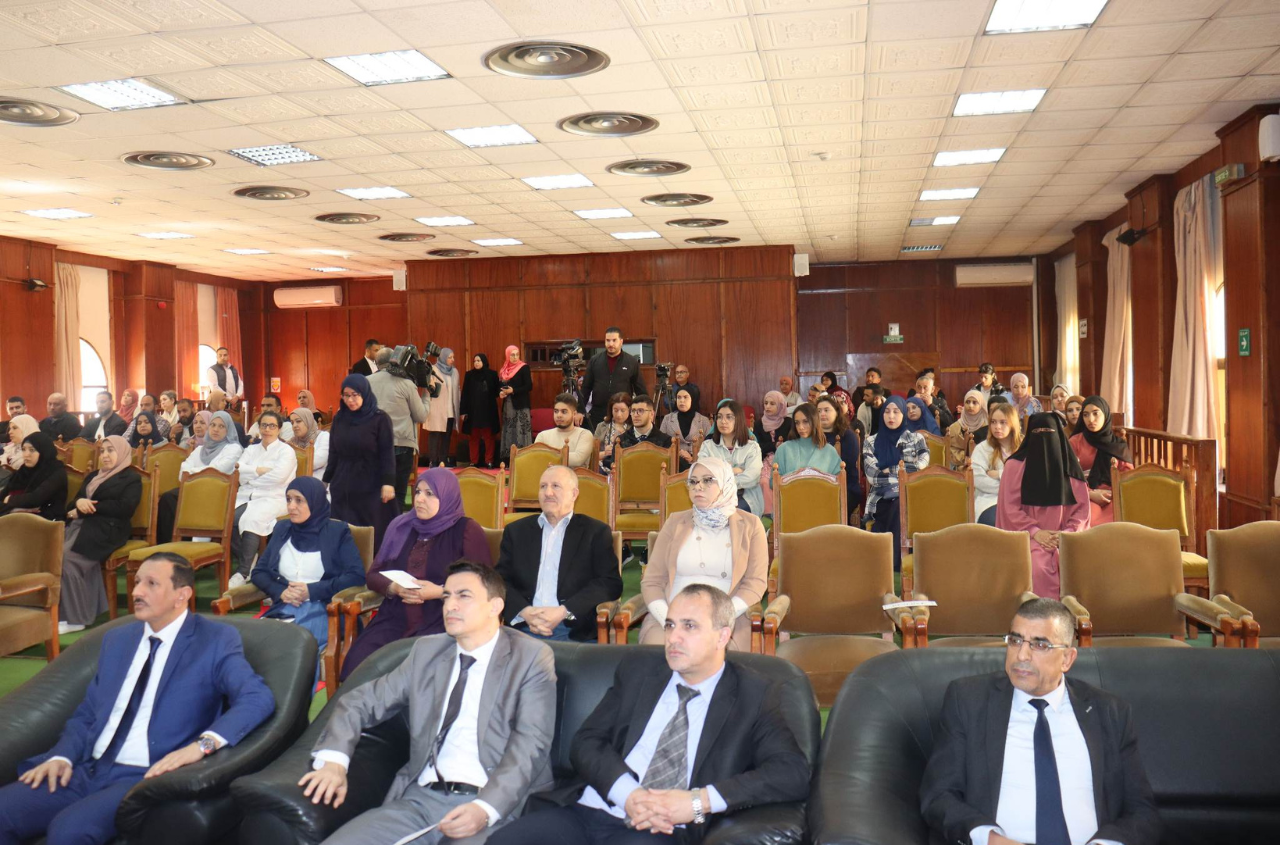
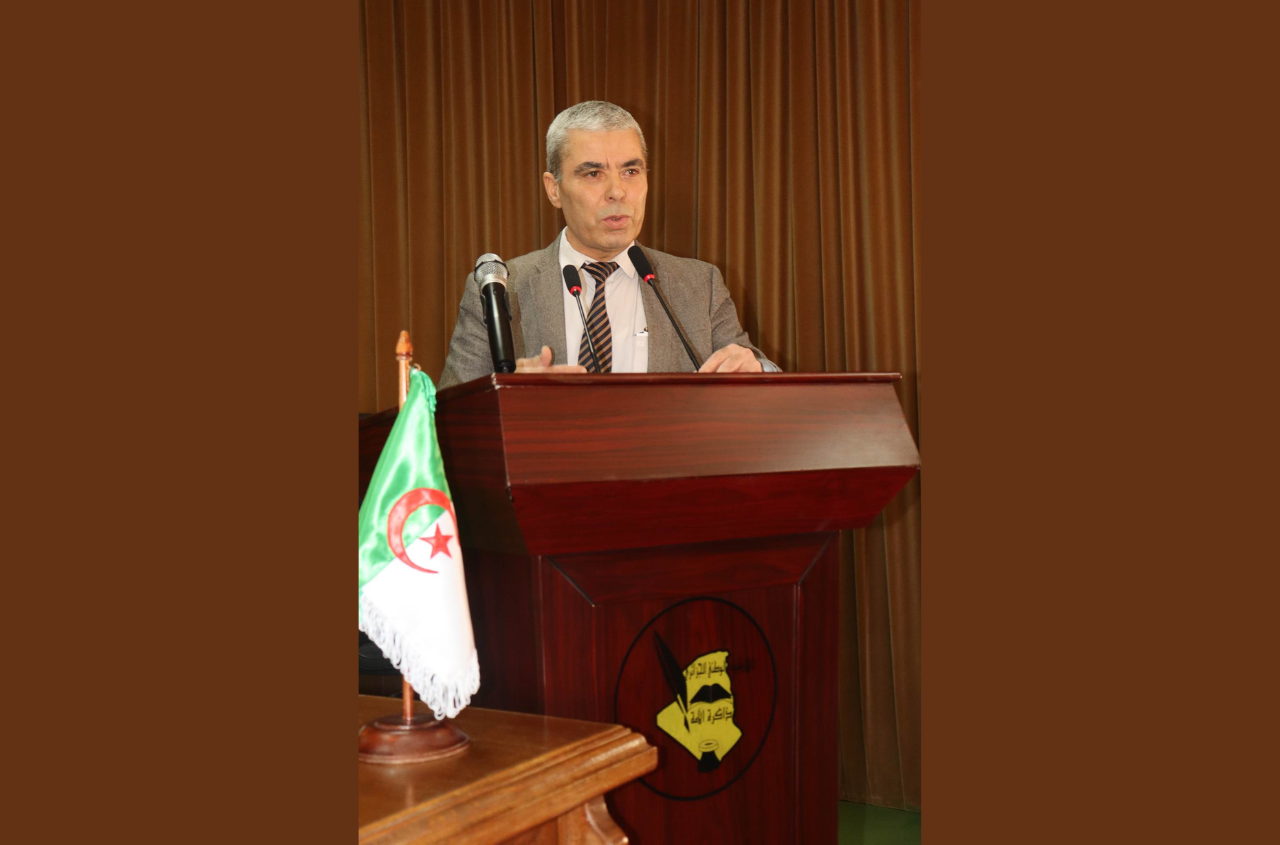
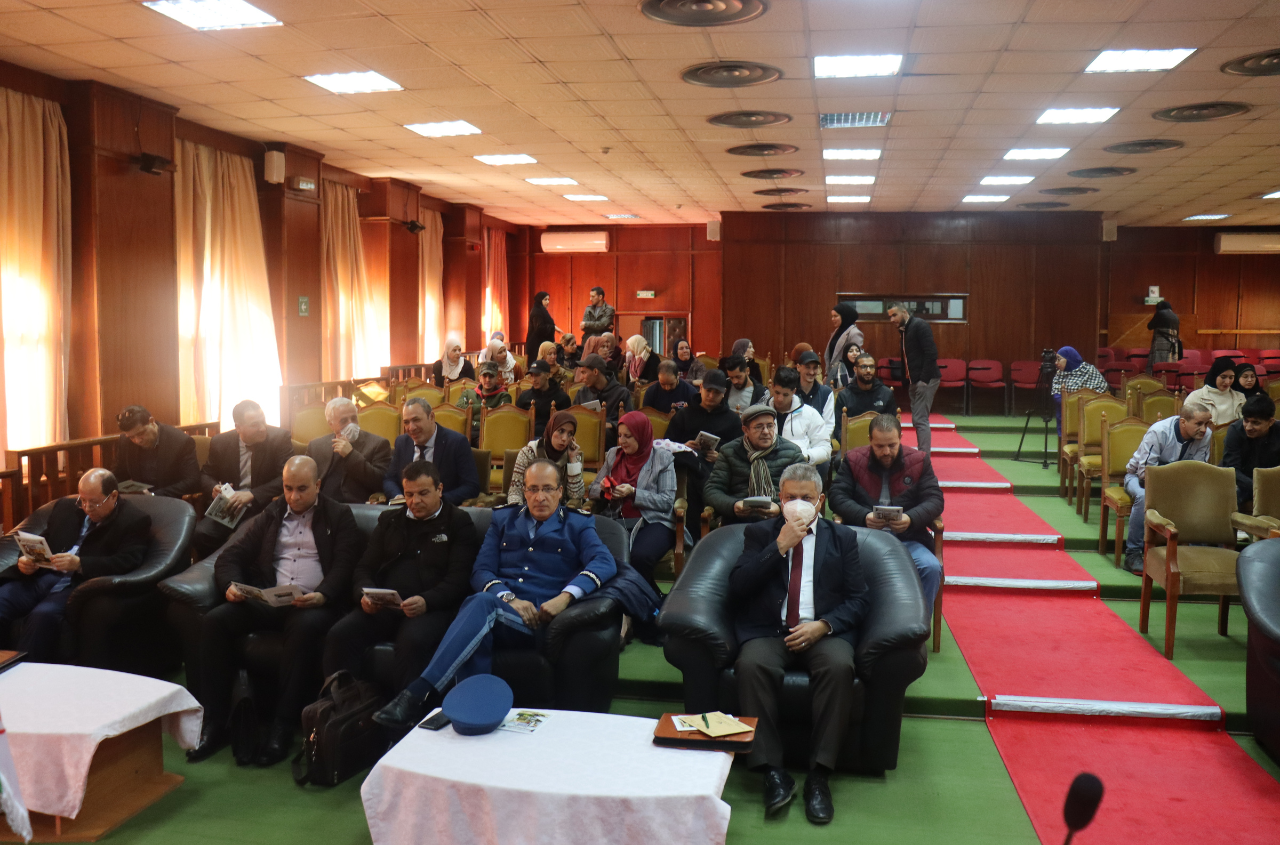
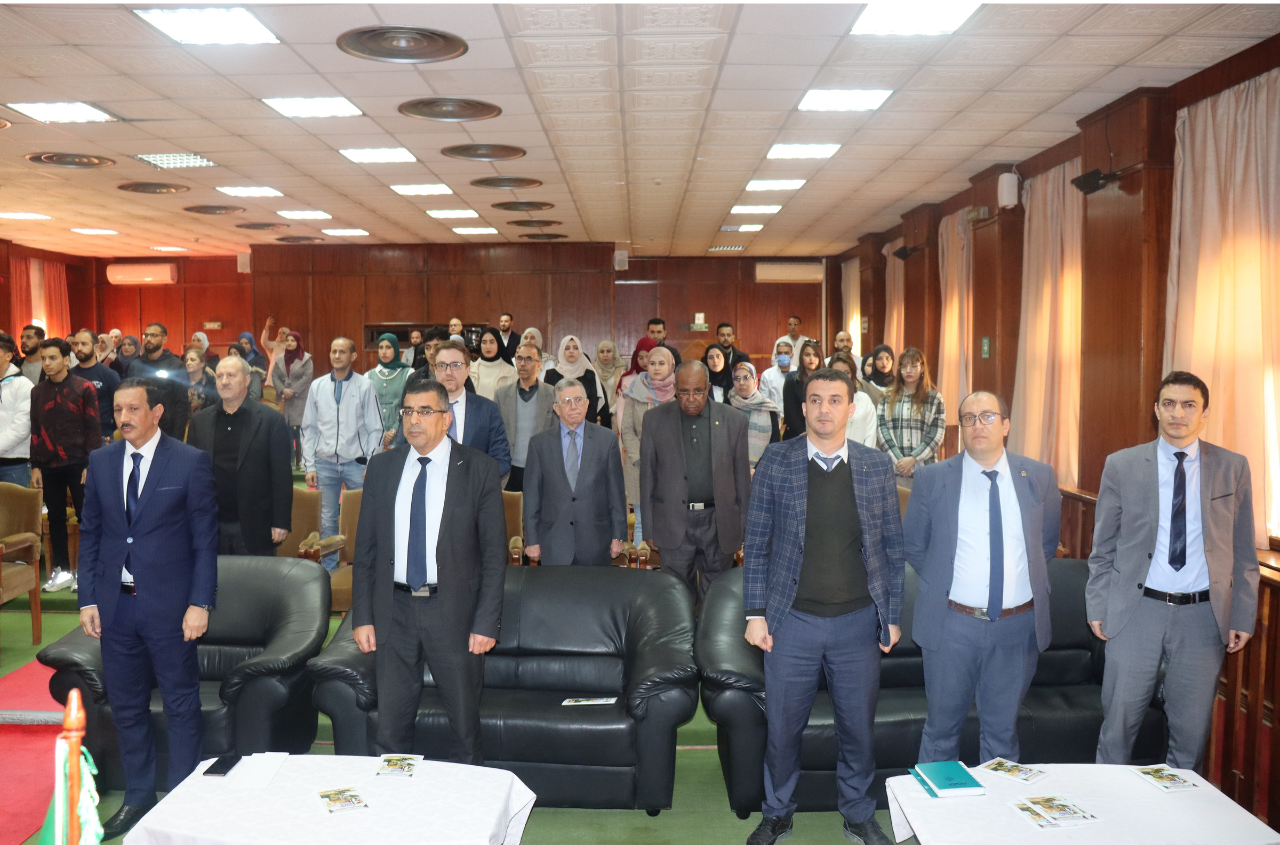
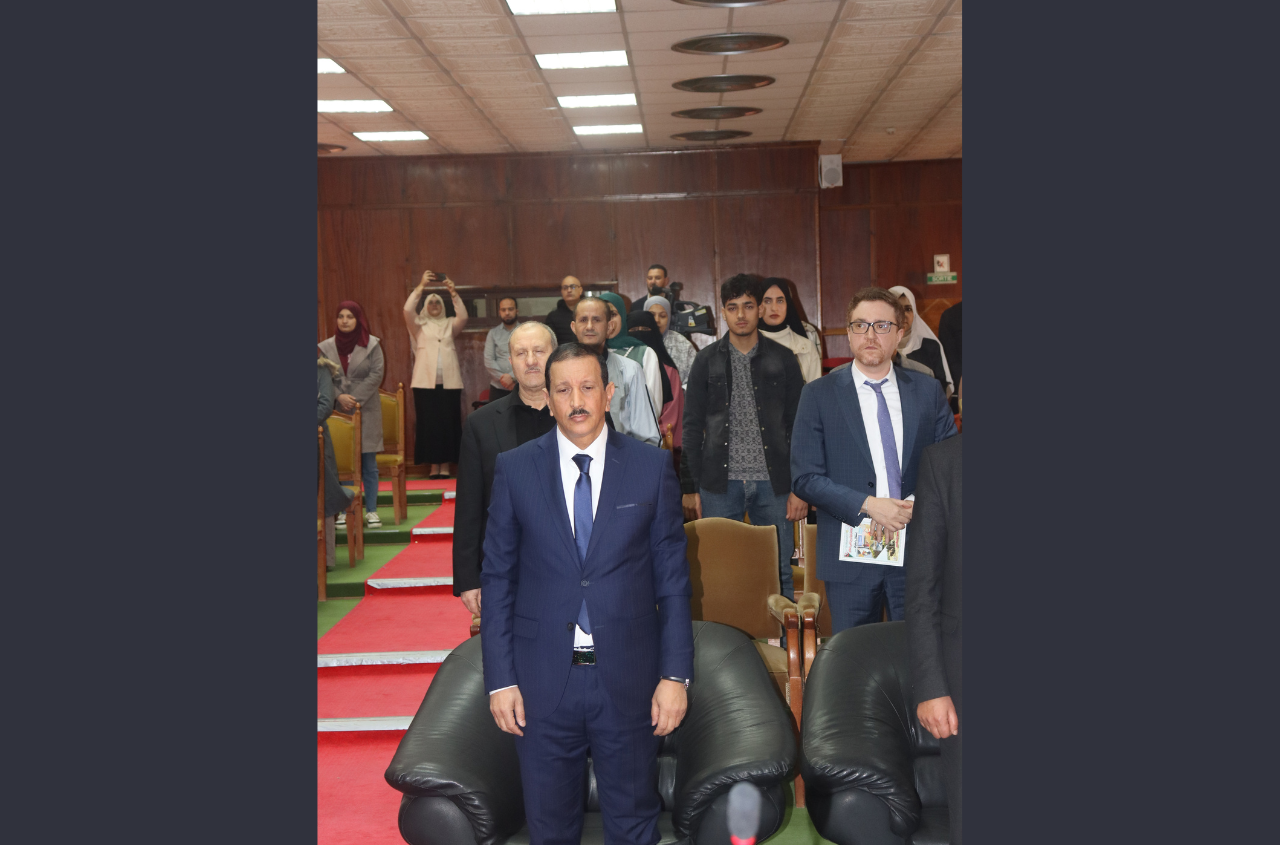
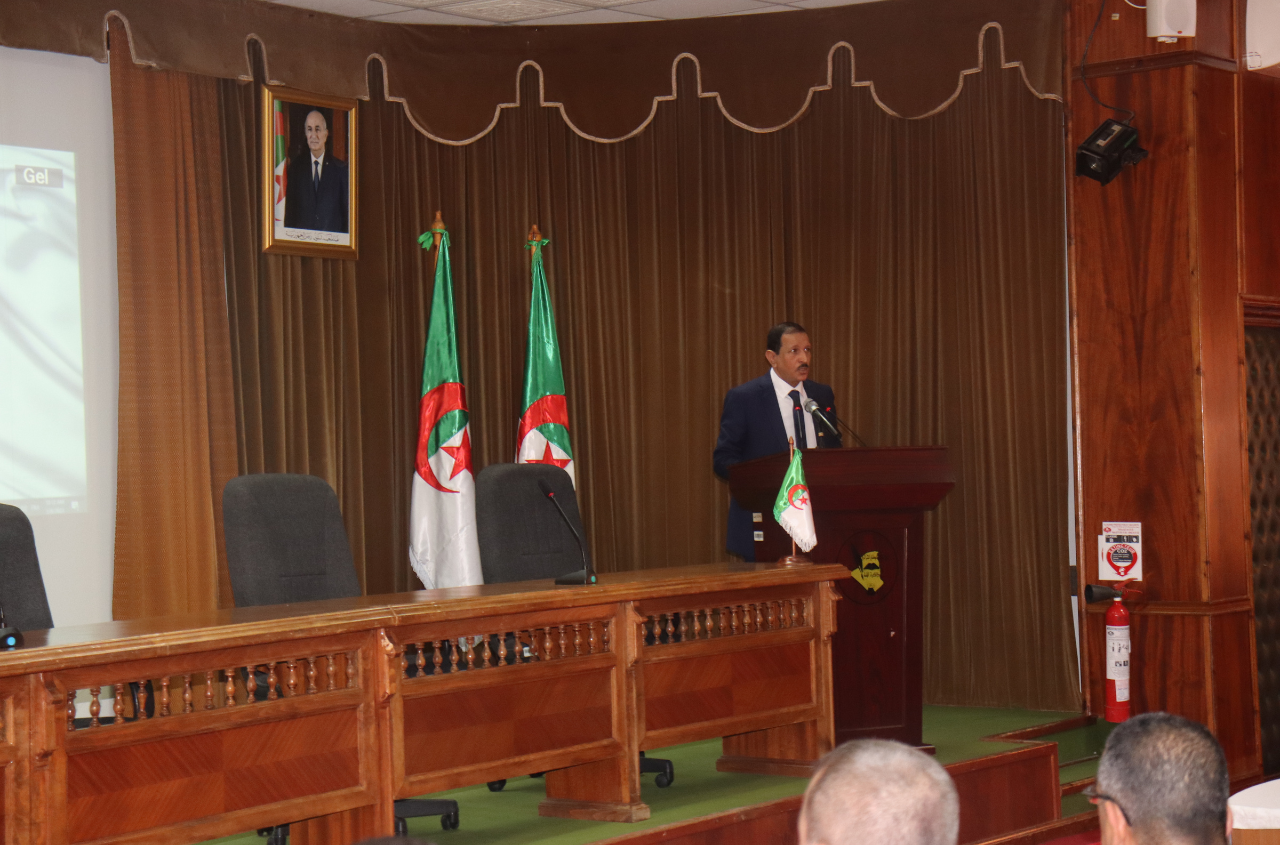
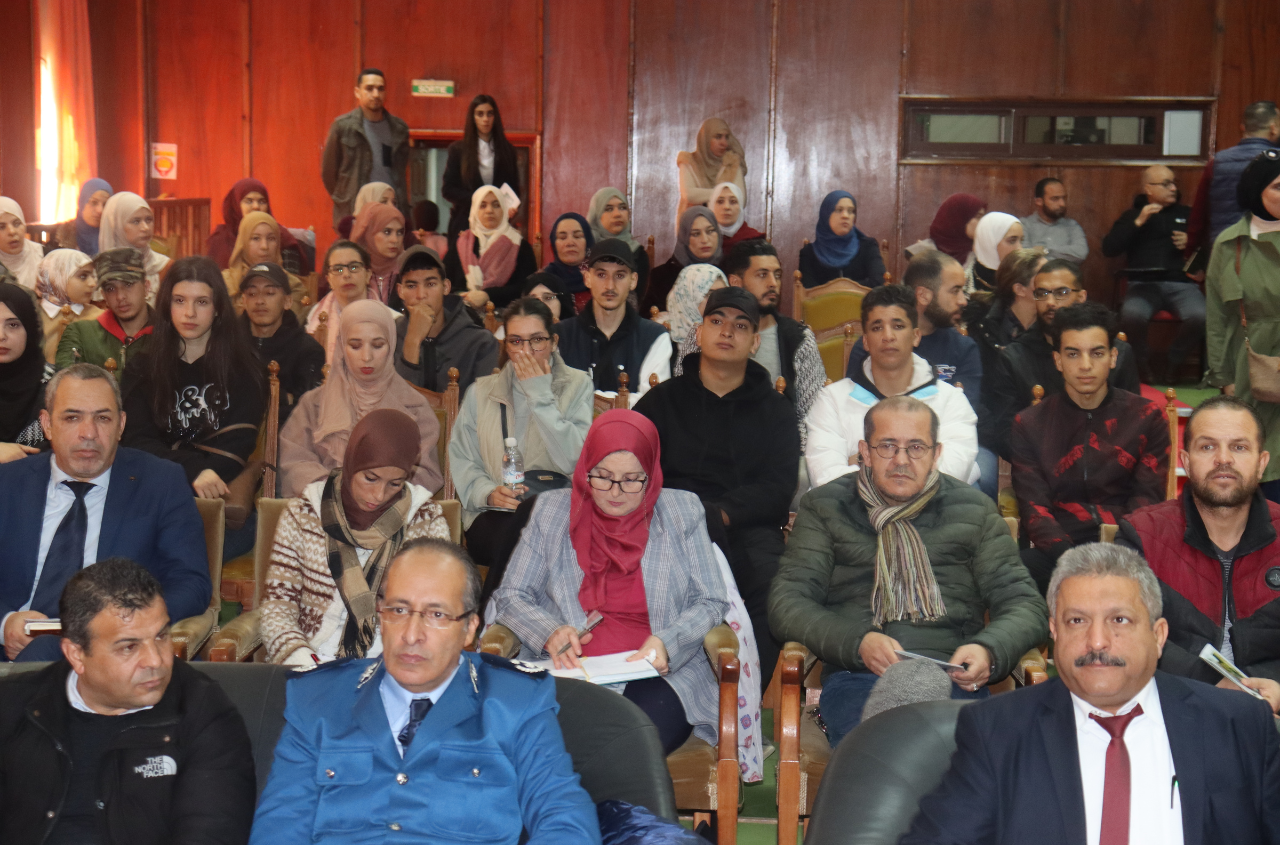
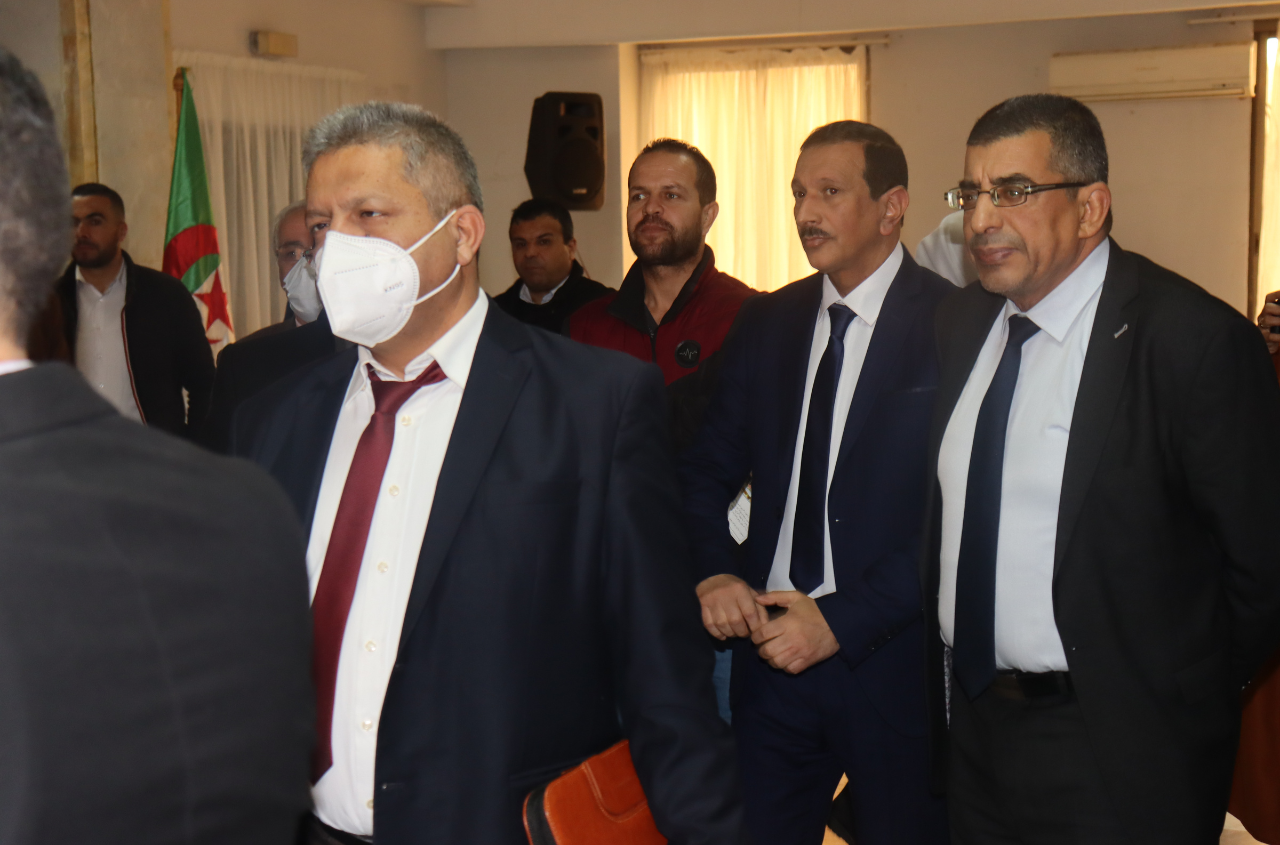
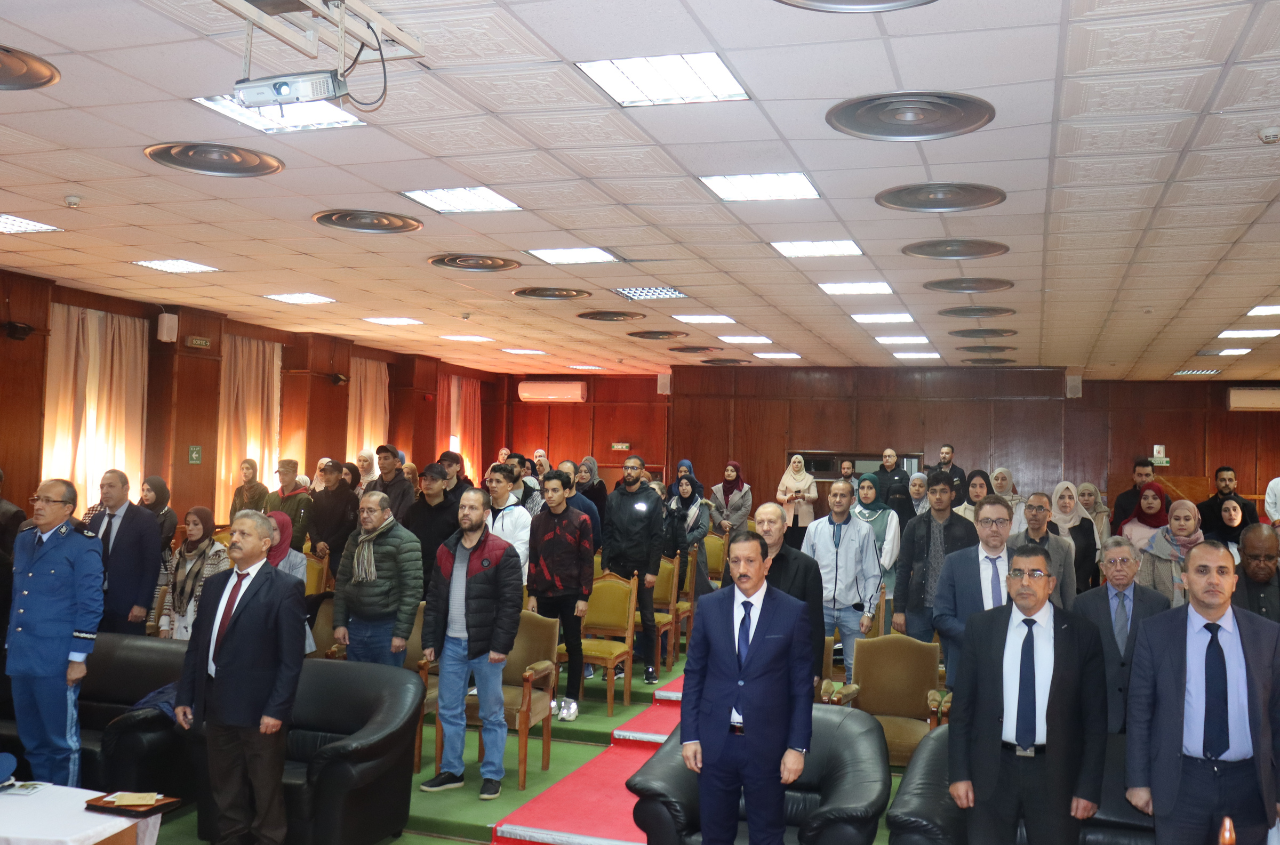
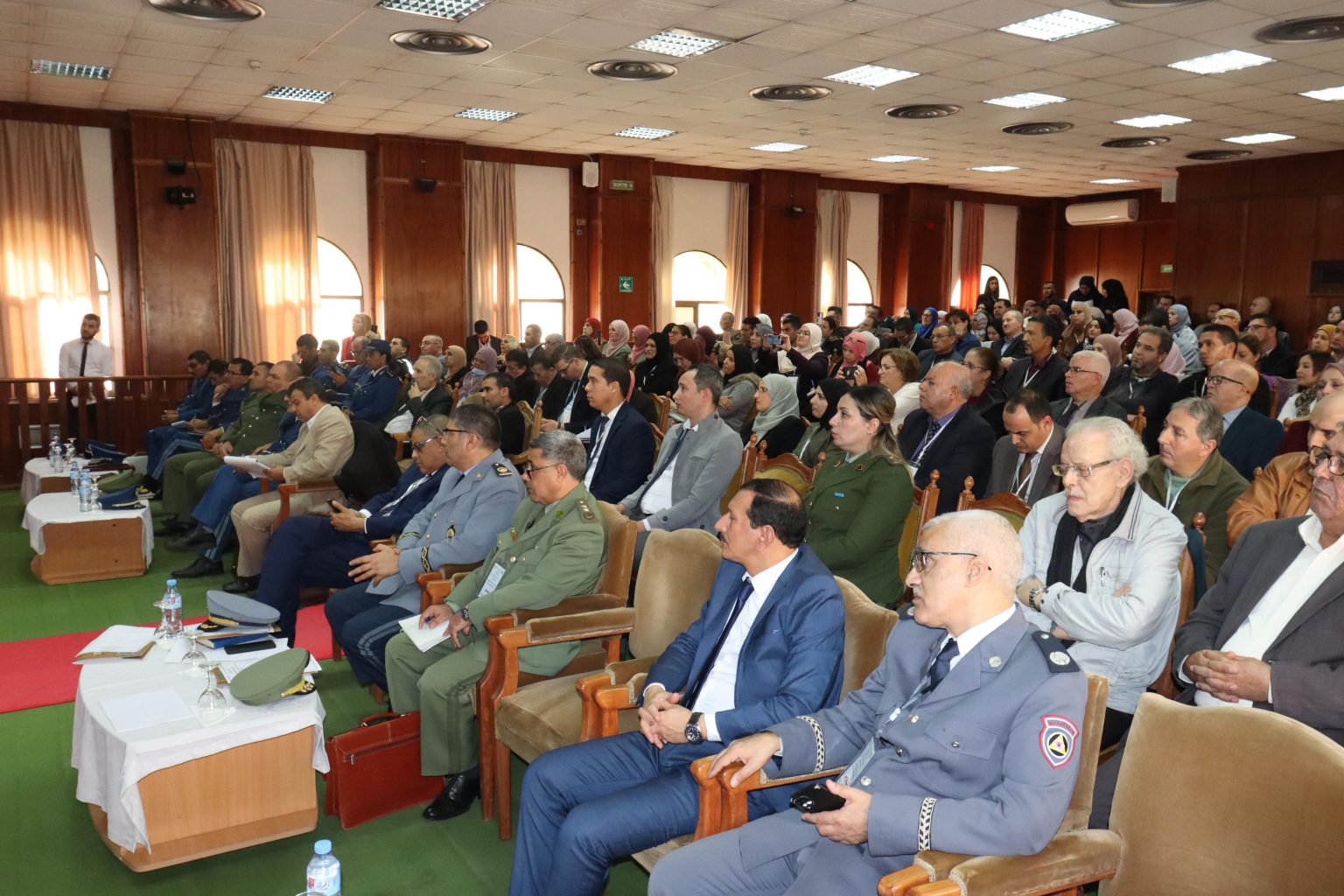
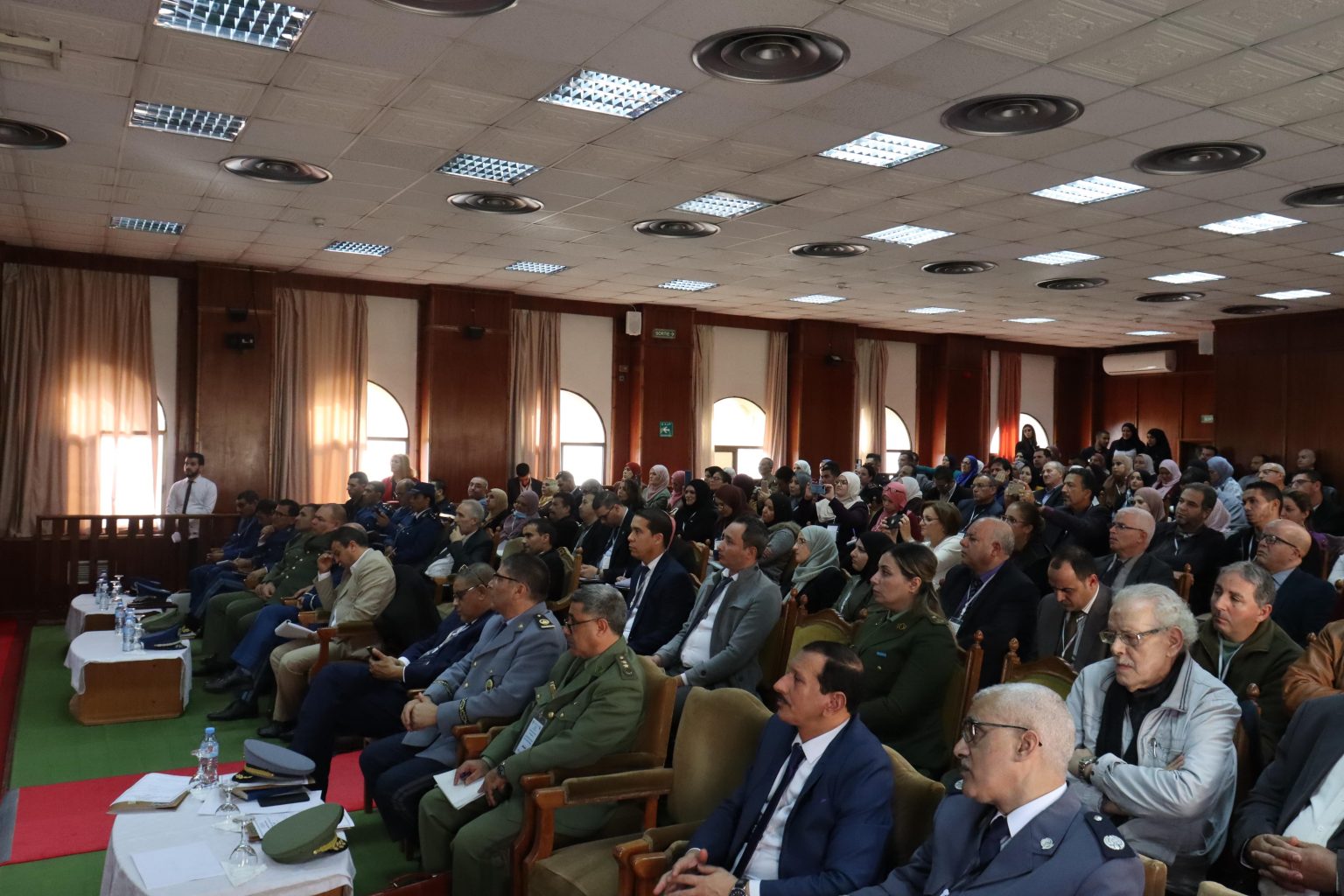
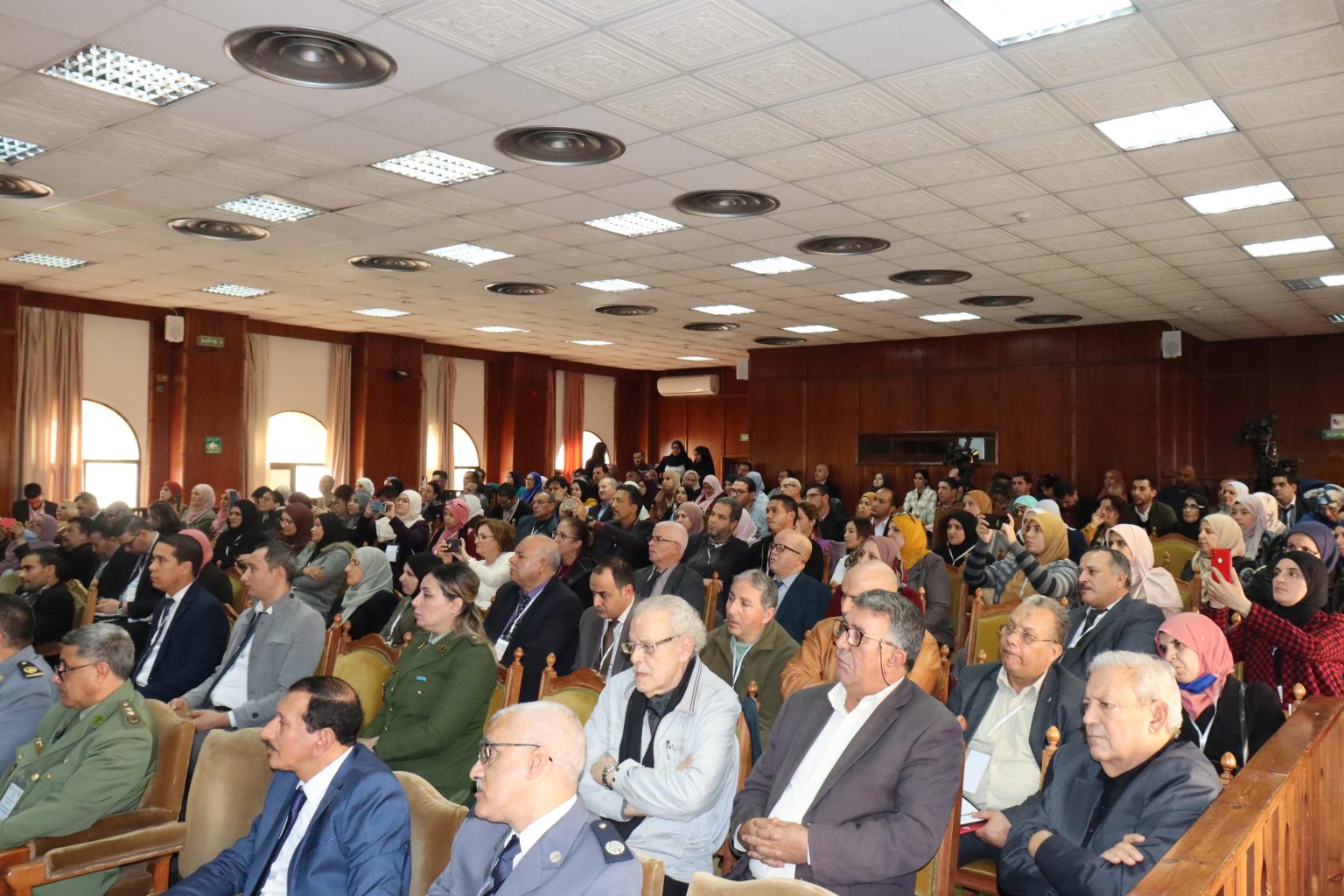
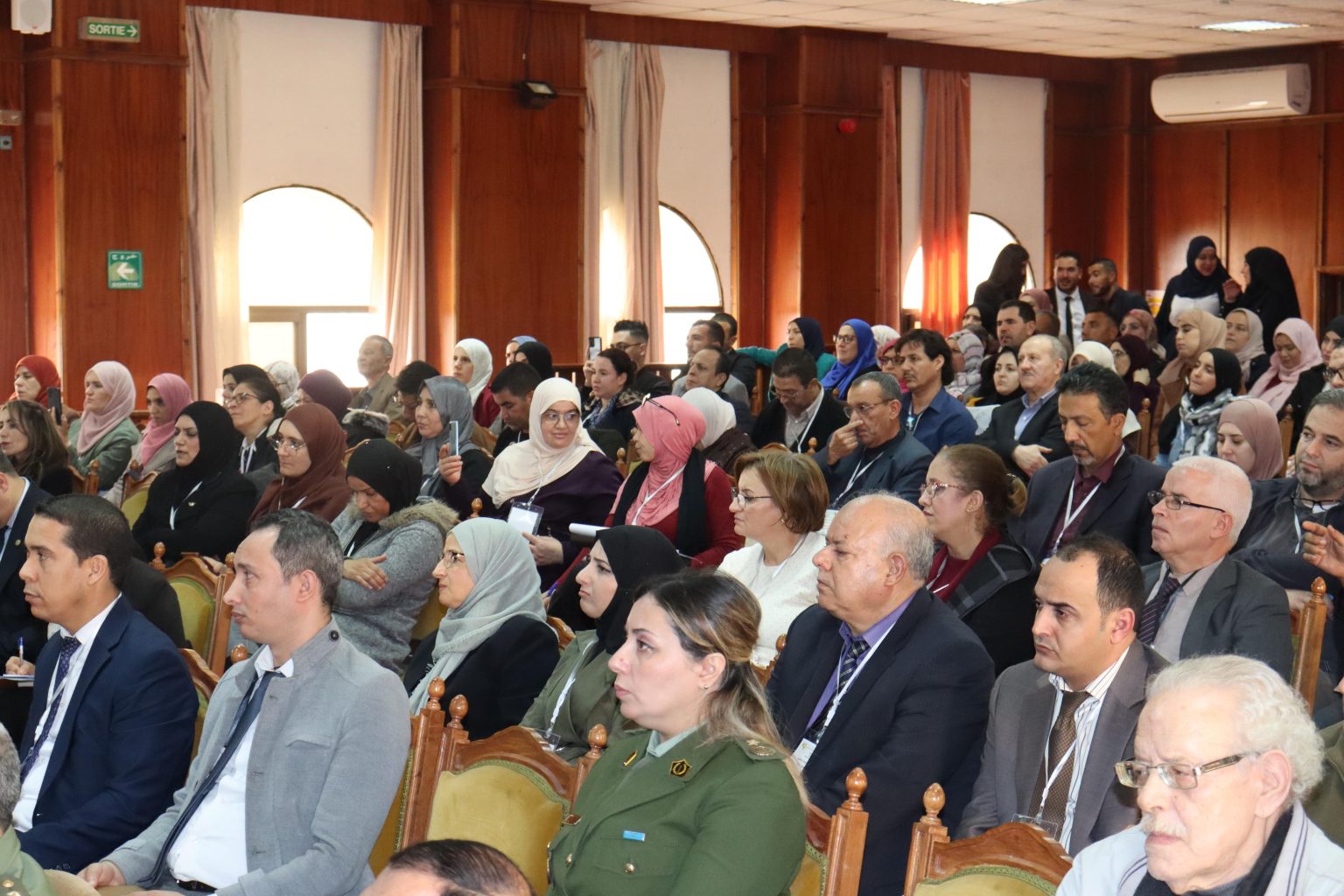
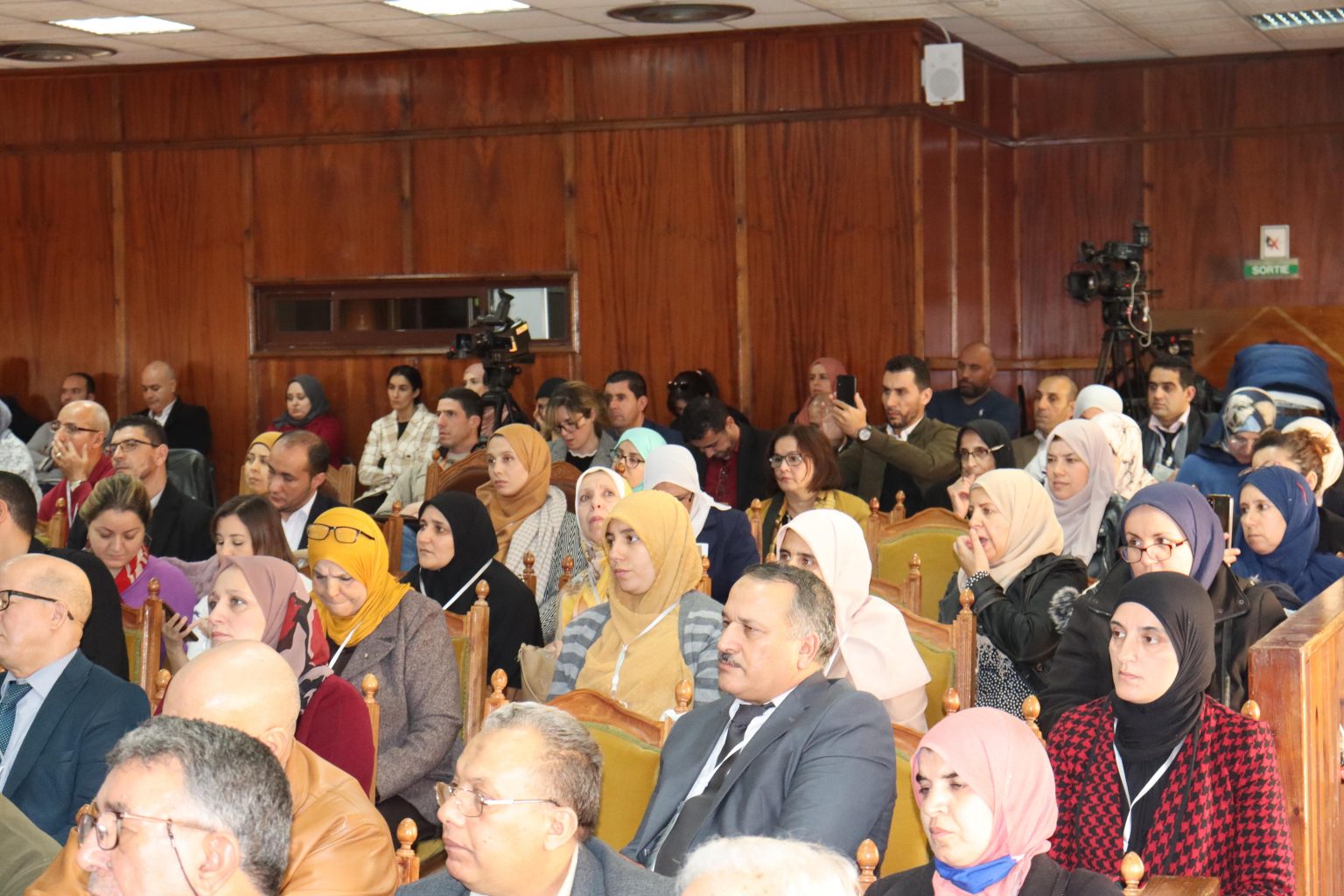
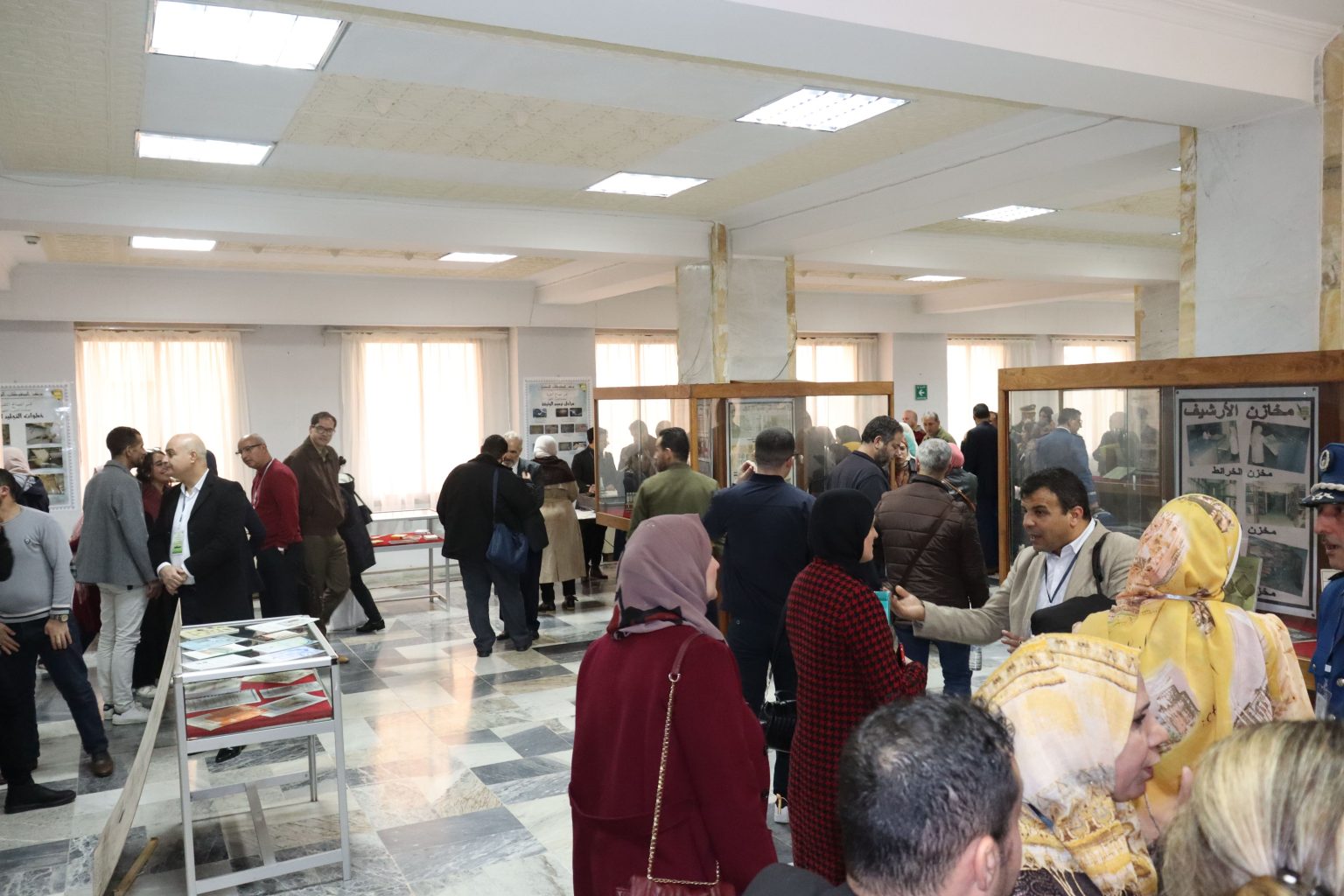
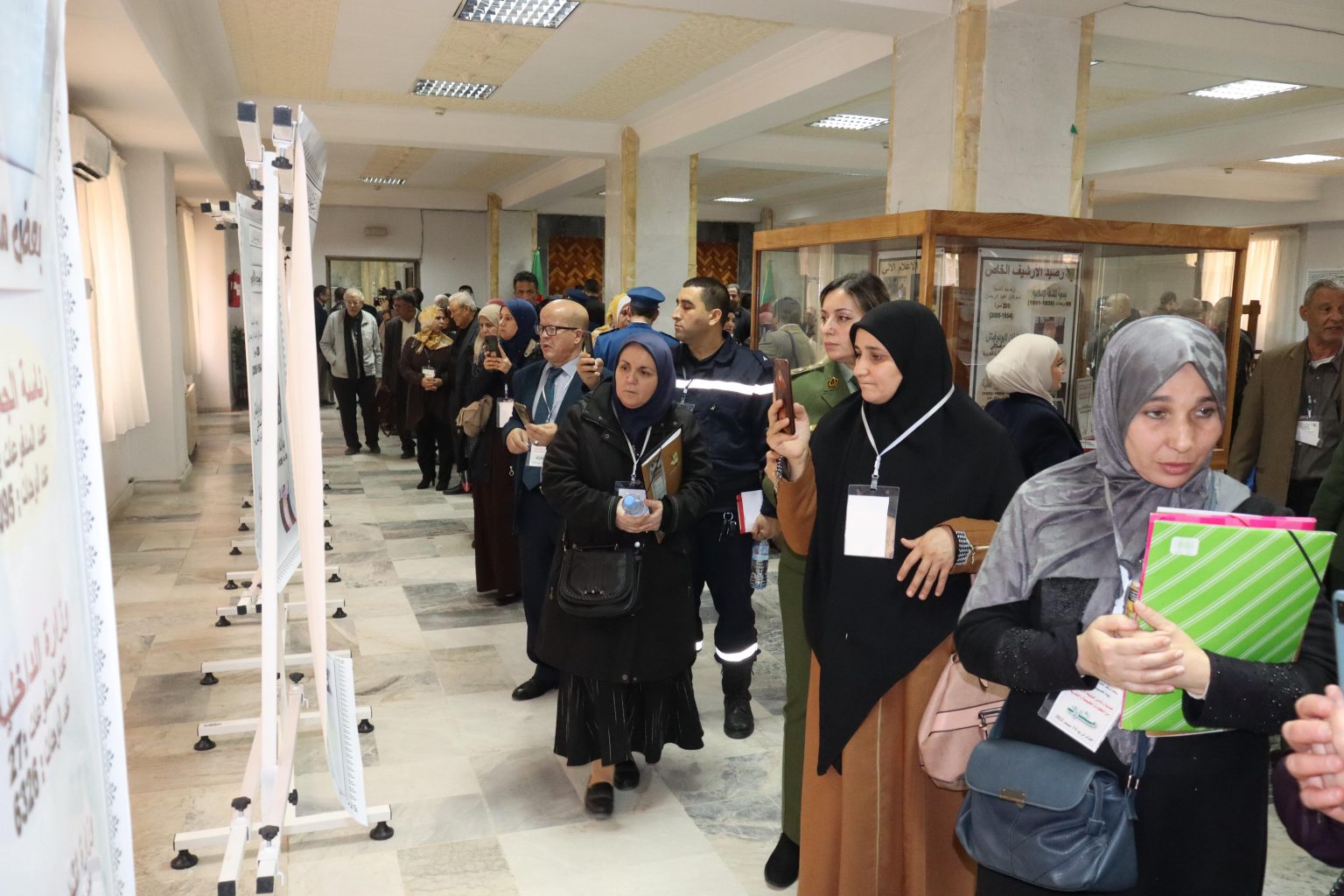
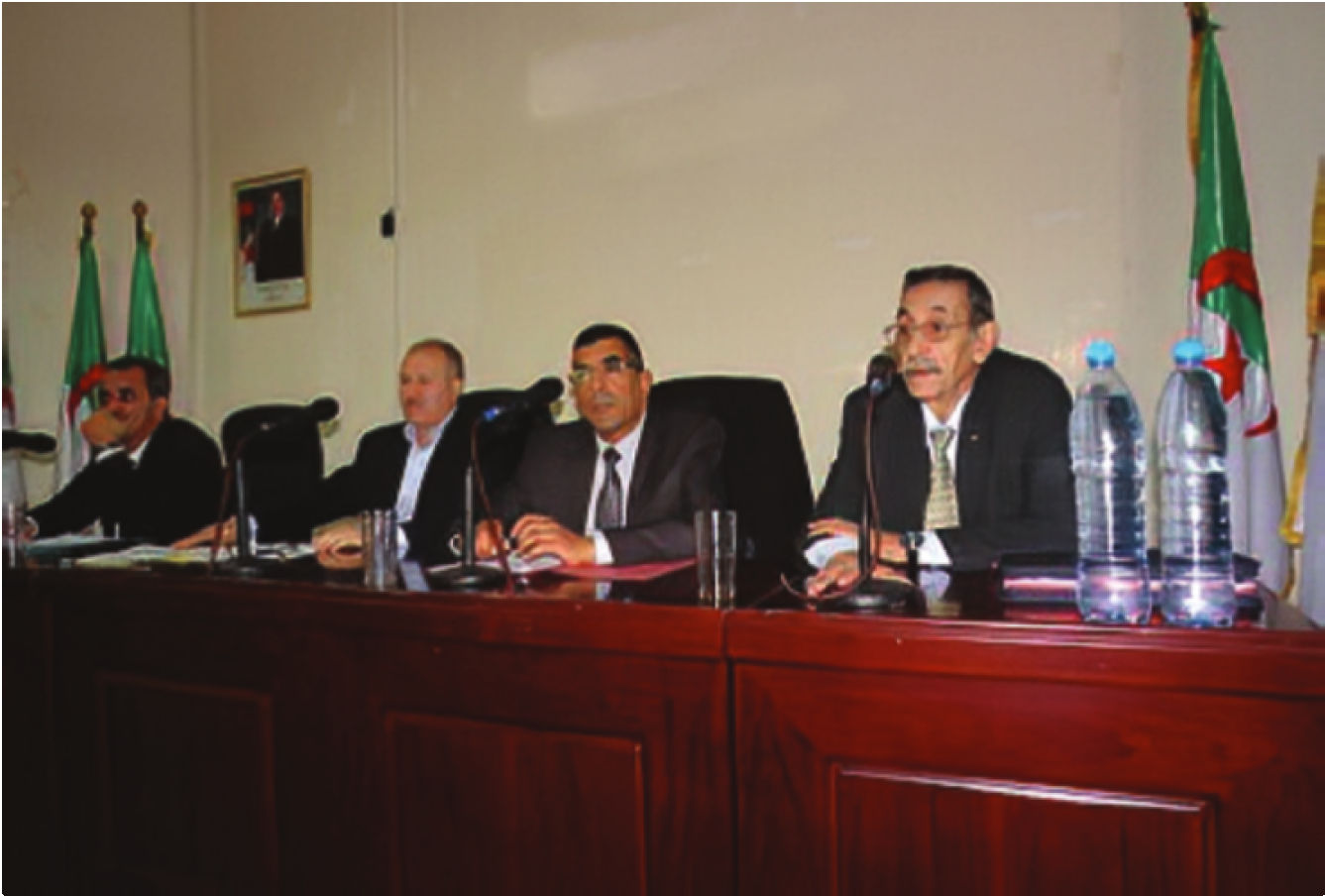
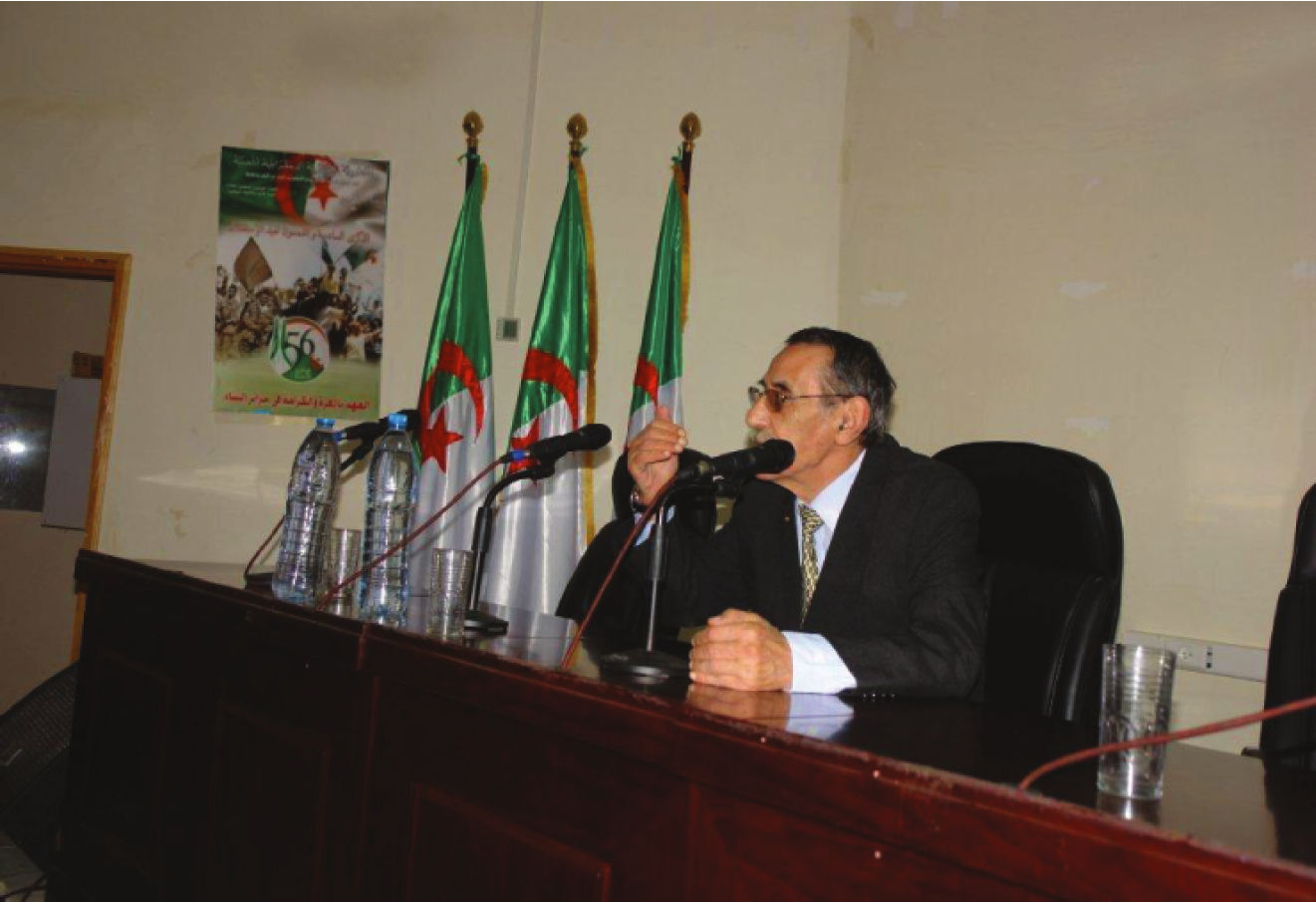
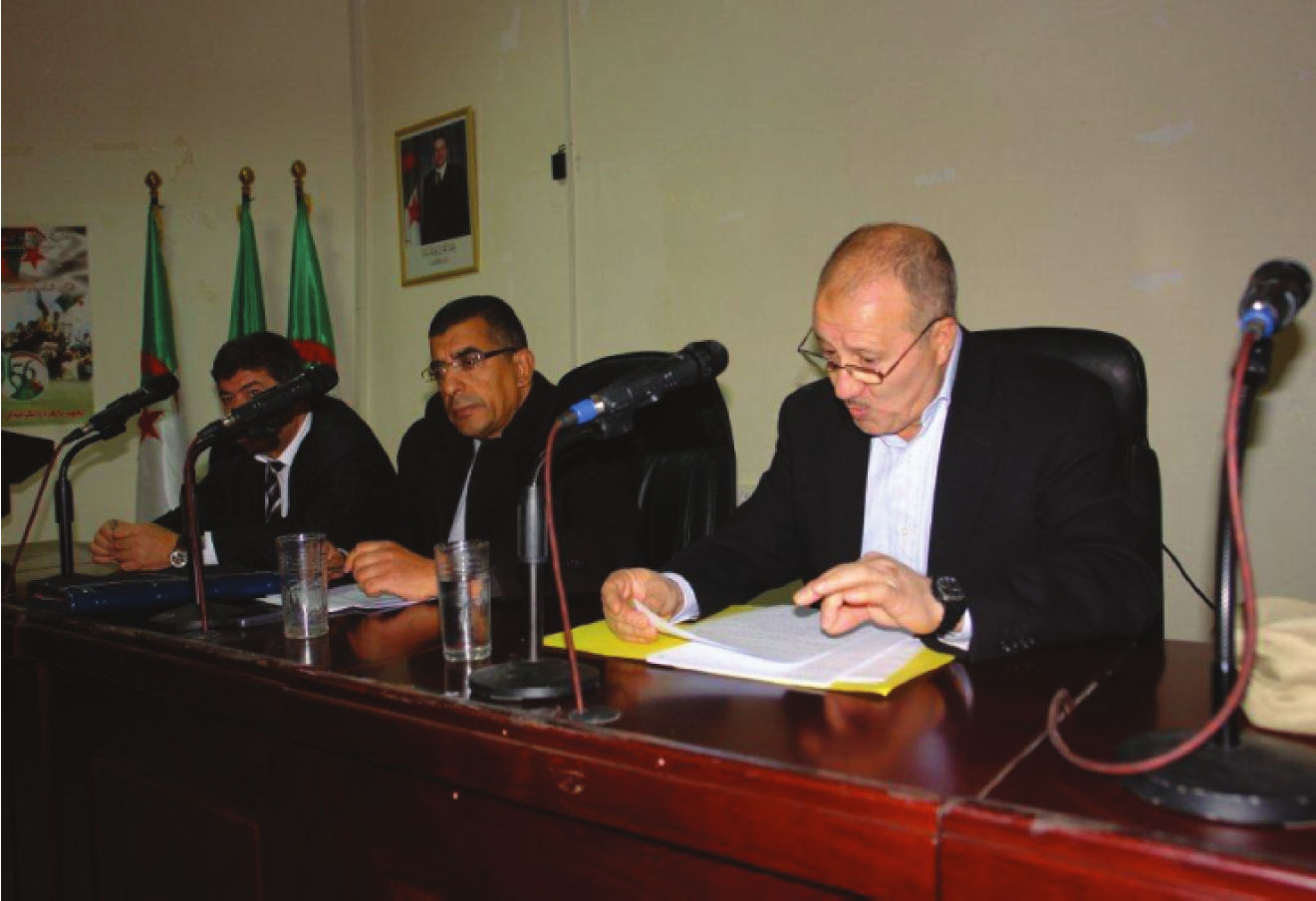
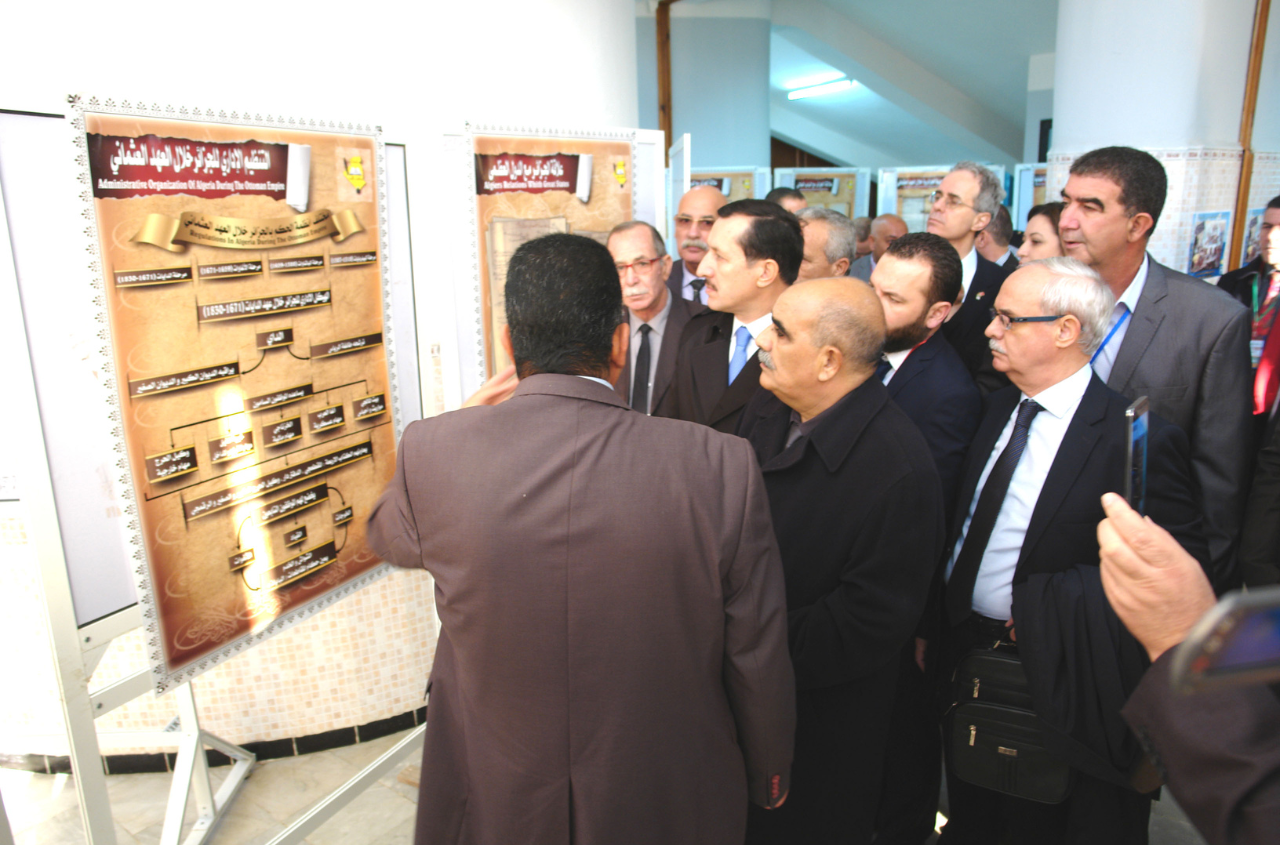
To celebrate the 60th anniversary of restoring the national sovereignty, the National Archives Center organized a seminar on the health sector in Algeria under the title: “The Health System in Algeria between Yesterday and Today” on March 29, 2023. The center was honored by the presence of executives of the General Directorate of the National Archives, representatives of the Ministry of Health, directors and professors of the National Paramedical Institute, as well as executives and employees of the National Archives Center. The seminar included a set of interventions, starting with a welcome speech by Mr. Mohamed Tiliouine, Director of the Center, followed by an intervention by Mr. Omar Wali, Director at the Ministry of Health, entitled: “The Development of Health in Algeria”, in addition to an intervention by Dr. Jamal Fourar, a specialist in epidemiology and Director General of Prevention and Health Promotion, entitled: “The Algerian Health System in Confronting the Covid-19 Pandemic”. In conclusion, an exhibition held on the sideline of the Seminar was visited to learn about different documents and pictures of the most important historical milestones through which the health system went.
Seminar on “Agriculture in Algeria… Progress and Challenges”
2023
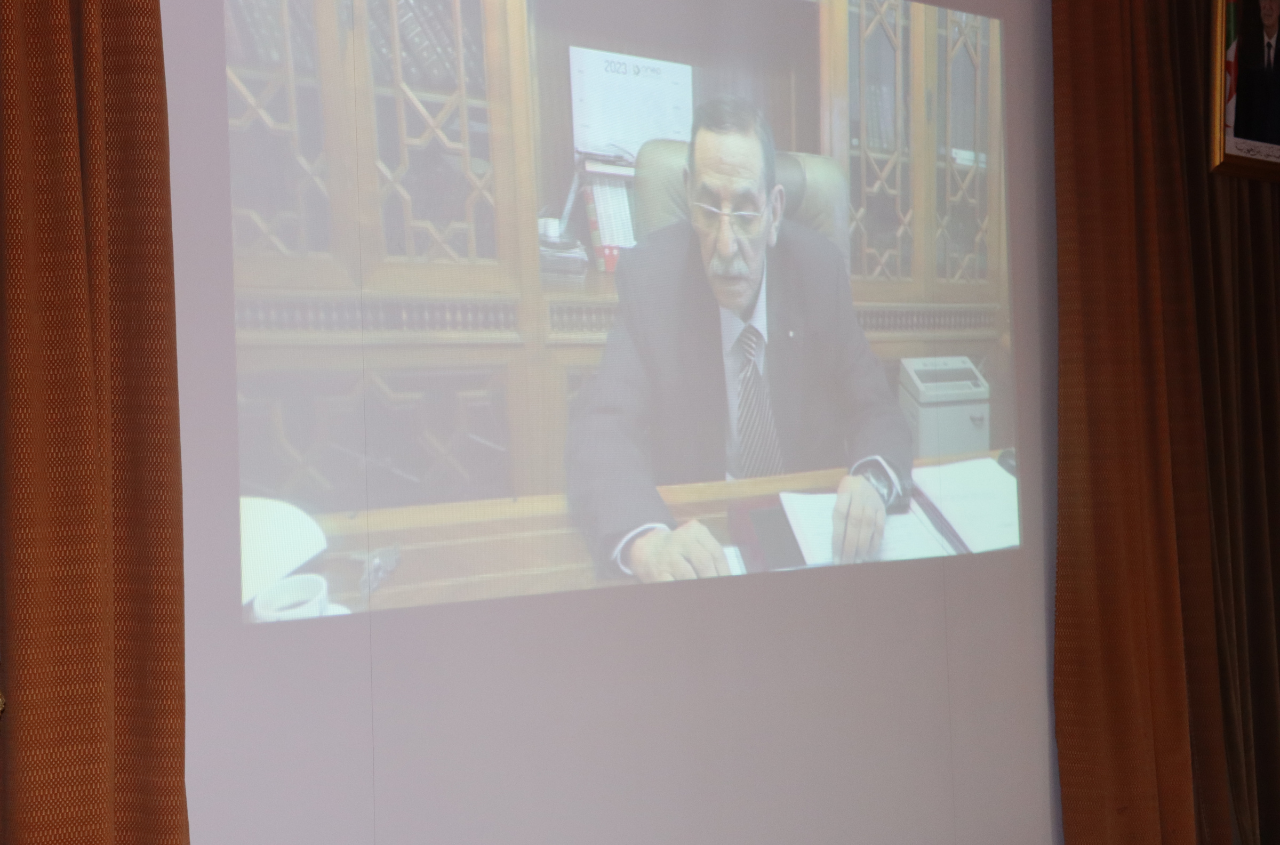
Within the framework of celebrating the 60th anniversary of restoring the national sovereignty, the National Archives Center organized a seminar on the agricultural sector under the title: “Agriculture in Algeria… Progress and Challenges” on March 8, 2023. The seminar was attended by executives of the General Directorate of the National Archives, a representative of the Secretary General of the Ministry of Agriculture, and representatives of the National Security, students and professors specialized in agriculture, and executives and employees of the National Archives Center. The seminar began with an opening speech by Mr. Mohamed Tiliouine, Director of the National Archives Center, followed by a recorded speech by Mr. Abdelmadjid Chikhi, Advisor to the President of the Republic in charge of the National Memory and the National Archives. A documentary tape was also shown about the stages that the agricultural sector has gone through since independence until the present day, prepared by the Ministry of Agriculture. This seminar concluded by highlighting the importance of the National Archives Center and the archives fonds it stores, as well as the necessity of valorizing them in the service of science and knowledge.
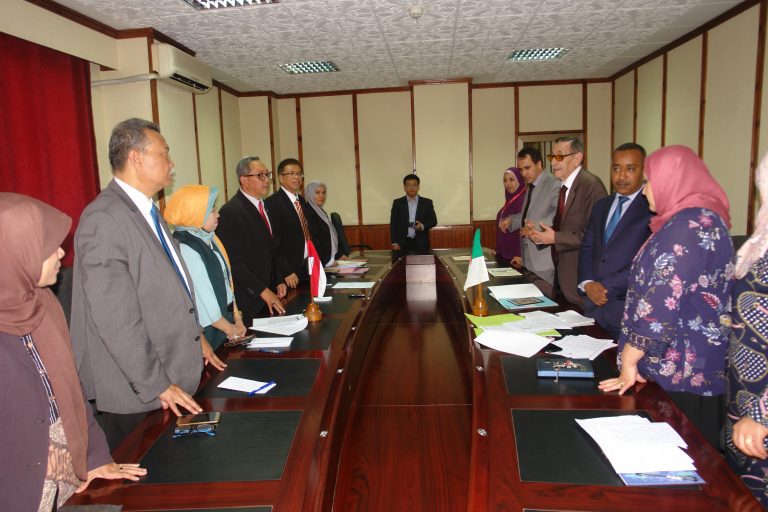
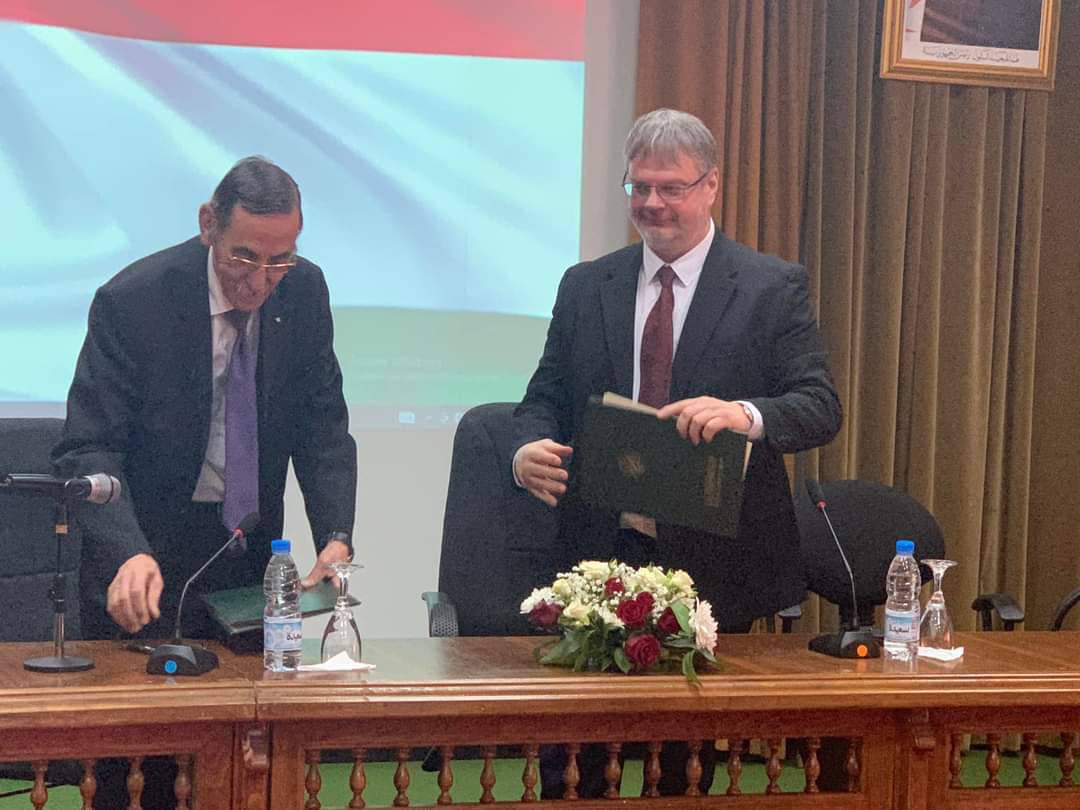
Signing of Cooperation Agreement between the Algerian Archives Institution and the Hungarian Archive on February 6, 2023
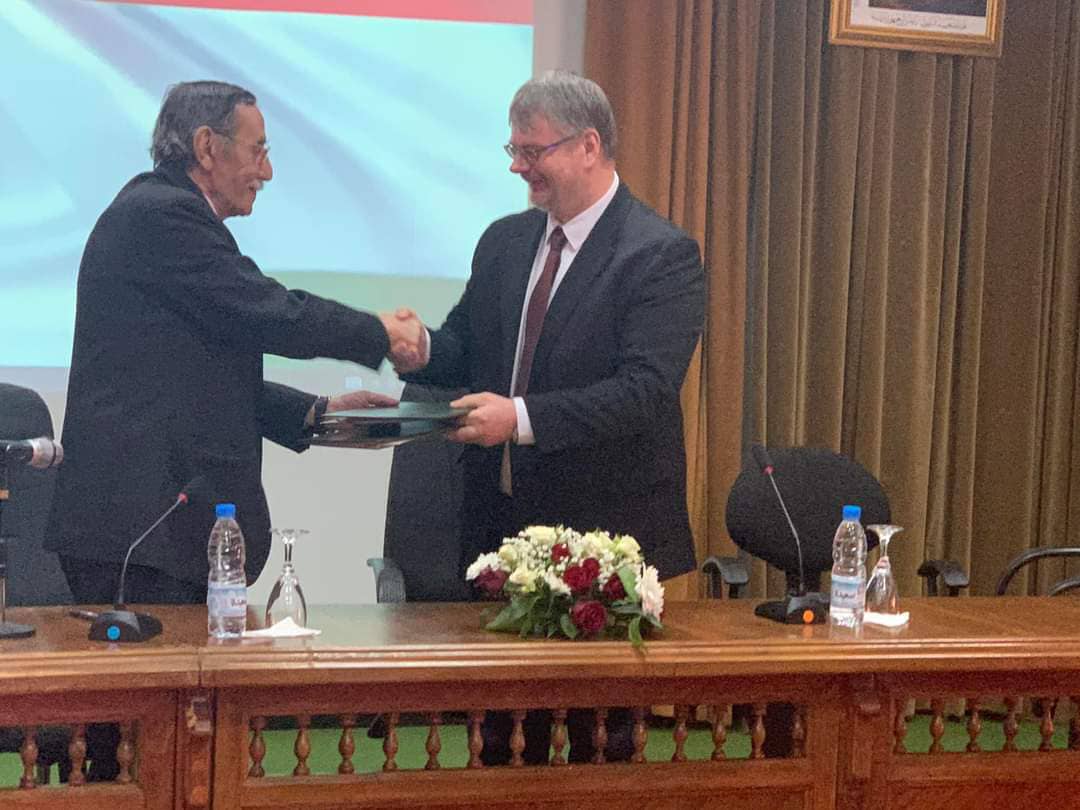
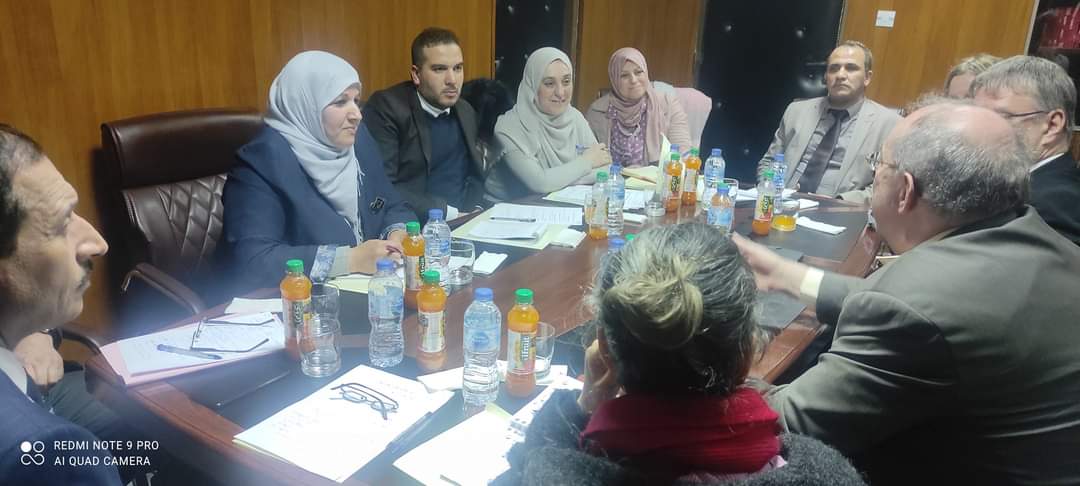
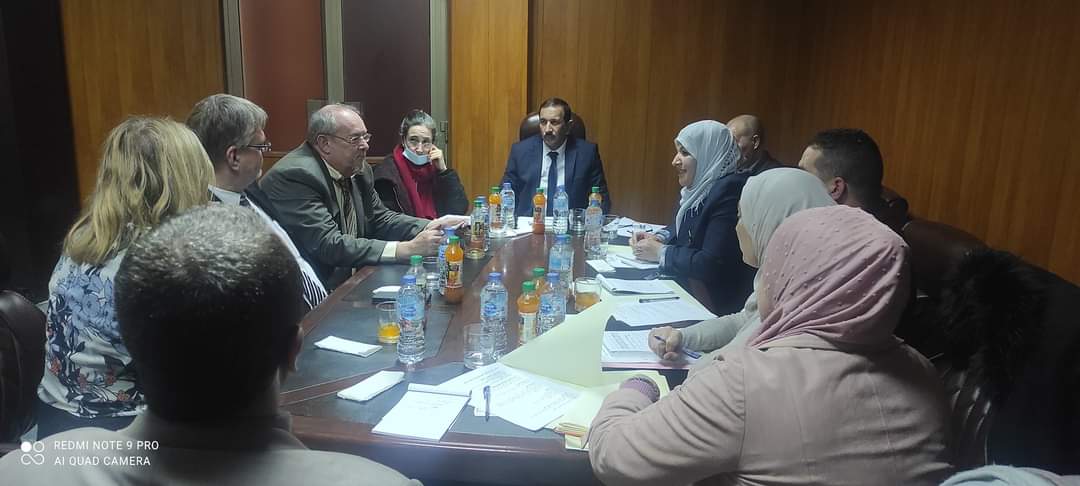
The Director General of the National Archives received a Hungarian delegation consisting of the Director General of the Hungarian Archives, the Director of the Historical Archives and Head of Archives Digitization Department, at the institution’s headquarters. This meeting was attended by representatives from the General Directorate of the National Archives, as well as the Director of the National Archives Center; it falls within the framework of strengthening the bonds of friendship between Algeria and Hungary, especially in the field of archives and developing executive programs for them. This meeting witnessed the signing of a cooperation and exchange of experiences agreement between the two parties. The signing of the agreement was followed by two workshops, in which the two parties discussed opinions and experiences in the field of historical archives custody, processing and communication, as well as the archival legislative system in both countries.
Awareness Day on Protecting and Securing Archival Documents from Natural and Human Disasters
December 14, 2022
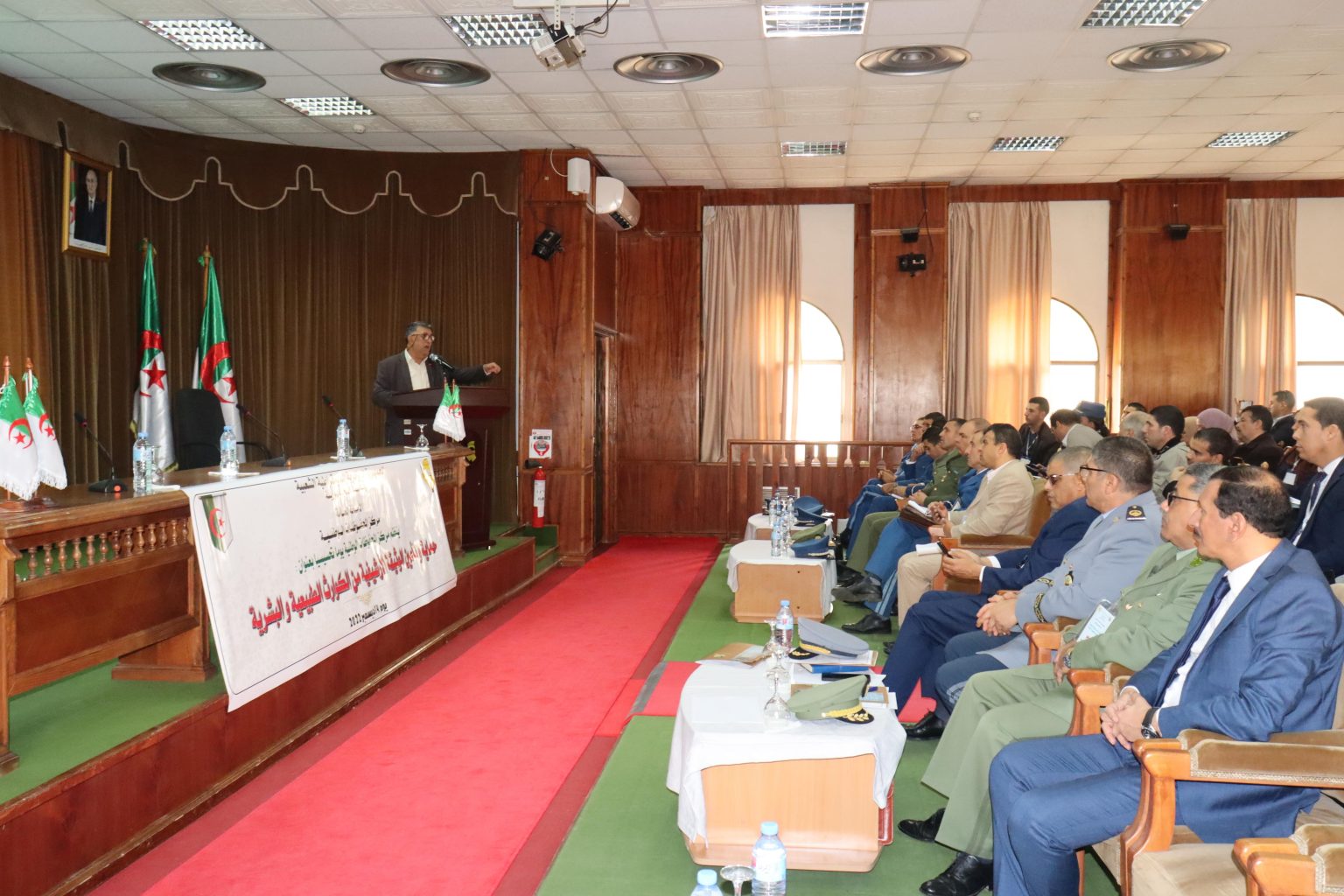
Given the great importance that the archival document has for institutions, bodies, and nations, we must protect it from different types of risks to which it may be exposed, whether these risks are natural such as floods, fires, etc… or human such as arson, theft, etc. In light of these risks that lurk and surround archival institutions, the National Archives Center organized an awareness day on protecting and securing archival documents from natural and human disasters on December 14, 2022, aiming to:
Setting guidelines to help archivists across the nation develop a strategy and a policy for disaster management.
Working to prepare preventive rules to protect and preserve archives centers from natural and human dangers and disasters.
Ensuring the implementation of circulars and instructions issued by the General Directorate of the National Archives in this field, especially the latest circular No. 53 dated November 3, 2022 regarding the completion of the emergency plan to save archives and the way it is implemented by archives custody departments at the national level.
Ensuring the implementation of the ISO 11799 standard for archives buildings which would provide the conditions for applying security and safety rules and preserving archival documents.
Developing a special preventive plan for archival institutions that allows protection, security, and safety of archives.
Developing an emergency plan for archival institutions that allows fast intervention in the event of these dangers and disasters, and reduces the amount of losses that could happen to archives and documents fonds.
These activities were attended by executives of the General Directorate of the National Archives, archivists of the National Archives Center, representatives of ministries and Wilaya, representatives of the National Gendarmerie, the General Directorate of Protection, and the General Directorate of National Security. The event was inaugurated with a speech delivered by Mr. Mohamed Tiliouine, Director of the National Archives Center, followed immediately by the intervention of Mr. Abdelmadjid Chikhi, Advisor to the President of the Republic in charge of the National Archives and National Memory delivering a welcome speech in addition to his intervention on the subject. Several interventions were made successively as follows:
Intervention by a representative of civil protection about the tasks and role of civil protection, legislation and regulation in the field of prevention and how to respond to fires and insure against their risks.
Intervention by a representative of the National Security on defining the concept of danger and the experience of the General Directorate of National Security in protecting archives.
Intervention by a representative of the National Gendarmerie on securing documents and methods for detecting forgery.
Intervention by Mr. Lakhdar Amrani entitled “Preserving Documents: Why and How?”
Intervention by Mr. Omar Mimouni under the title “Archives Buildings” which focused on archives building, digitization, and electronic document management.
Intervention by representatives of the General Directorate of the National Archives, Mrs. Jouhra Malik and Mr. Mouloud Rahal, under the title: “Intervention plan to save archives in urgent cases”.
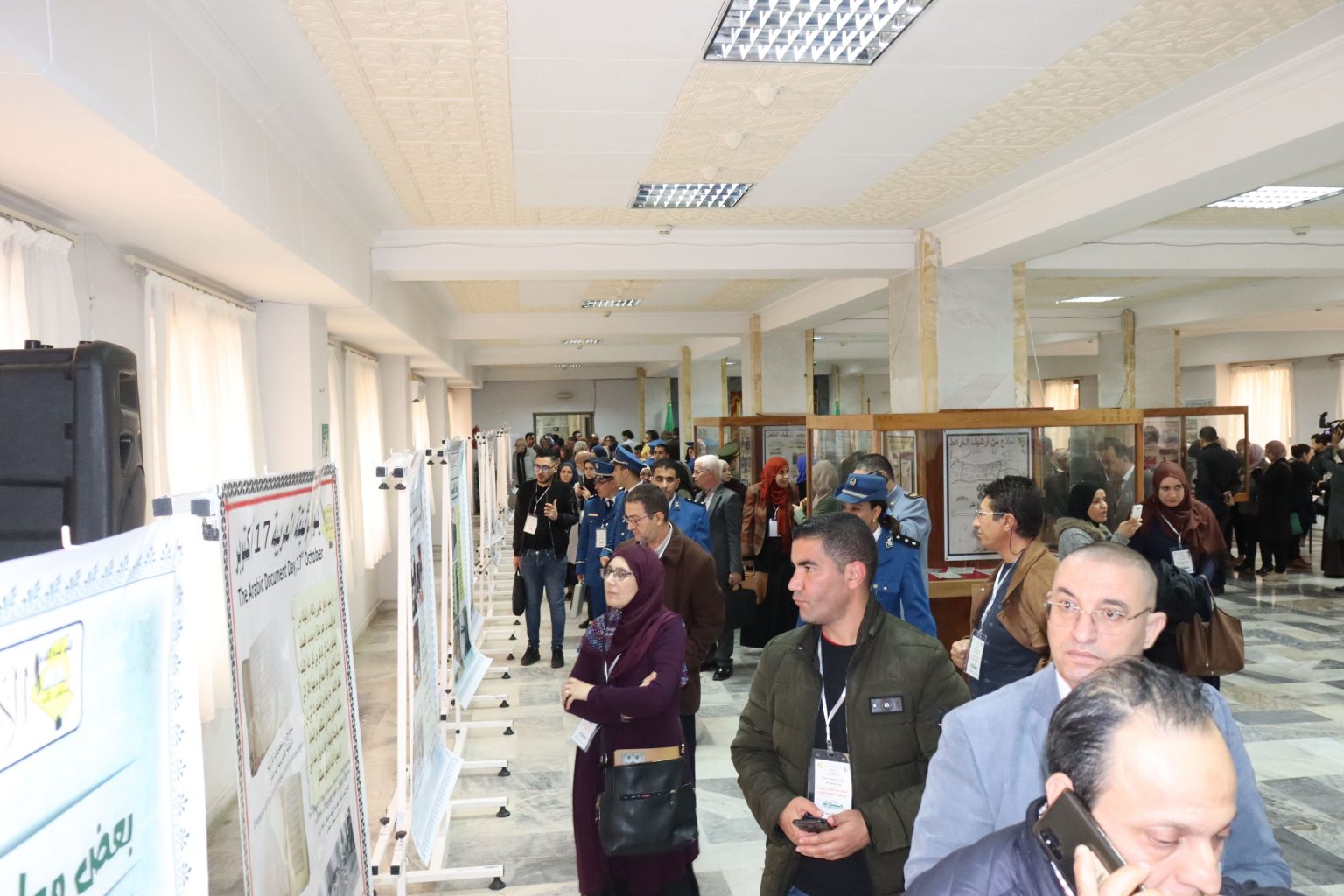
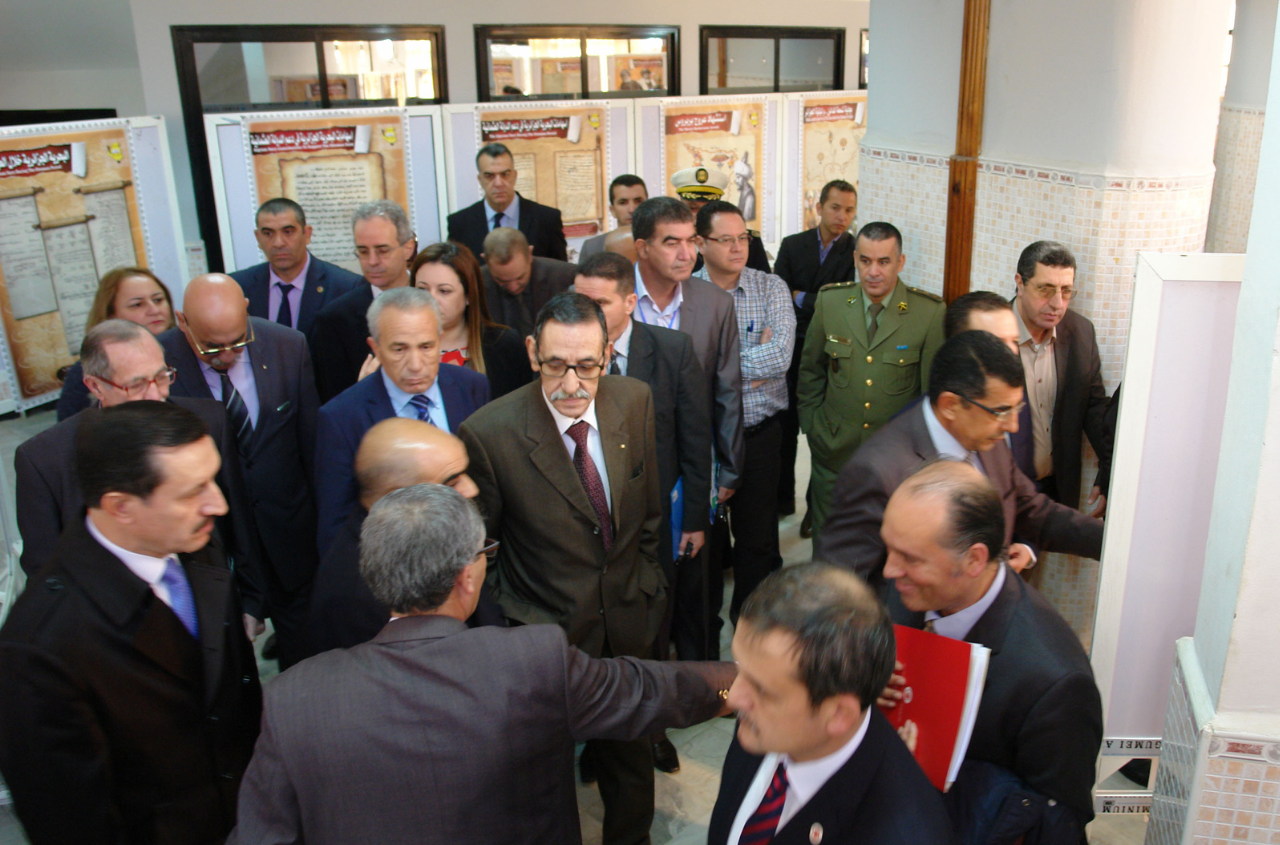
In conclusion, the invitees visited the exhibition to learn about the most important activities of the National Archives Center, as well as workshops for restoration, binding, and micrographic.
Archives between Reality and Horizons
2022
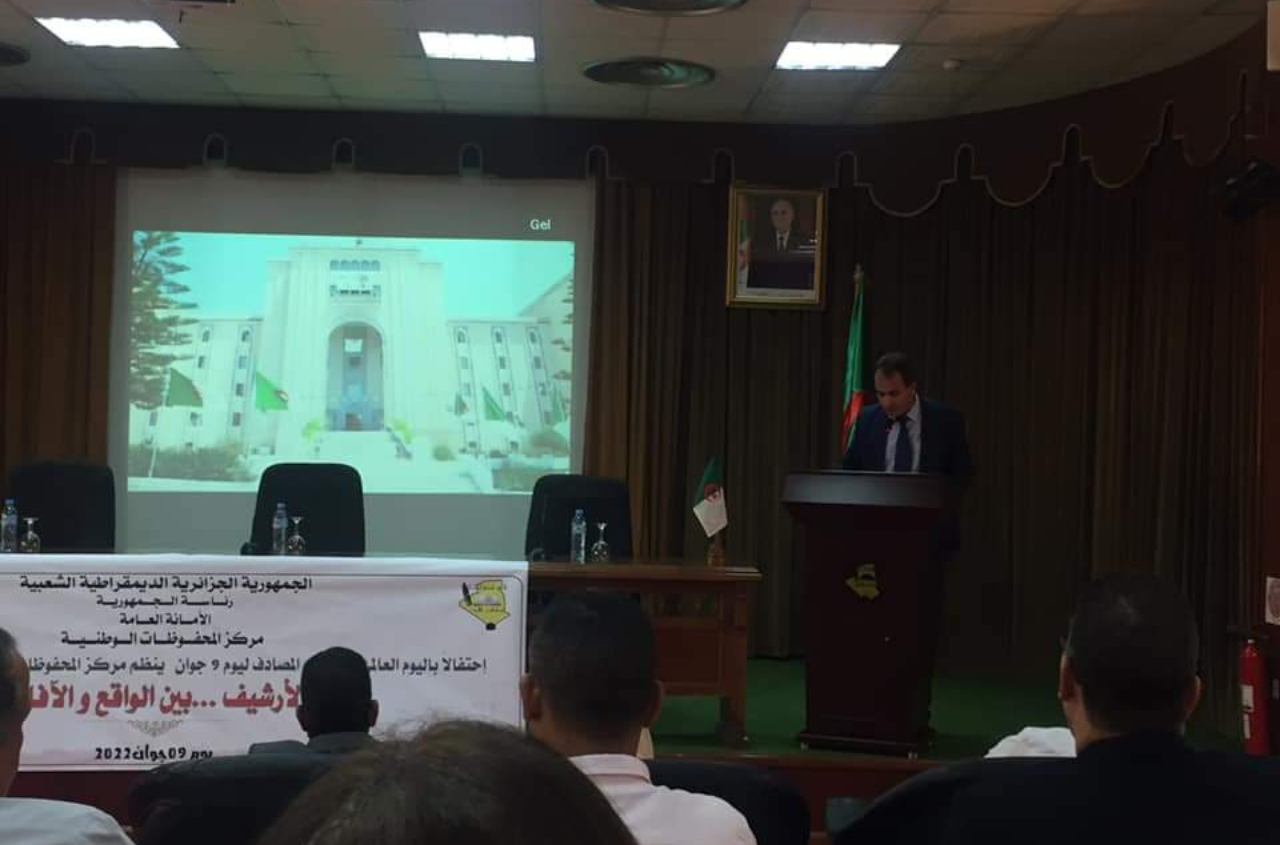
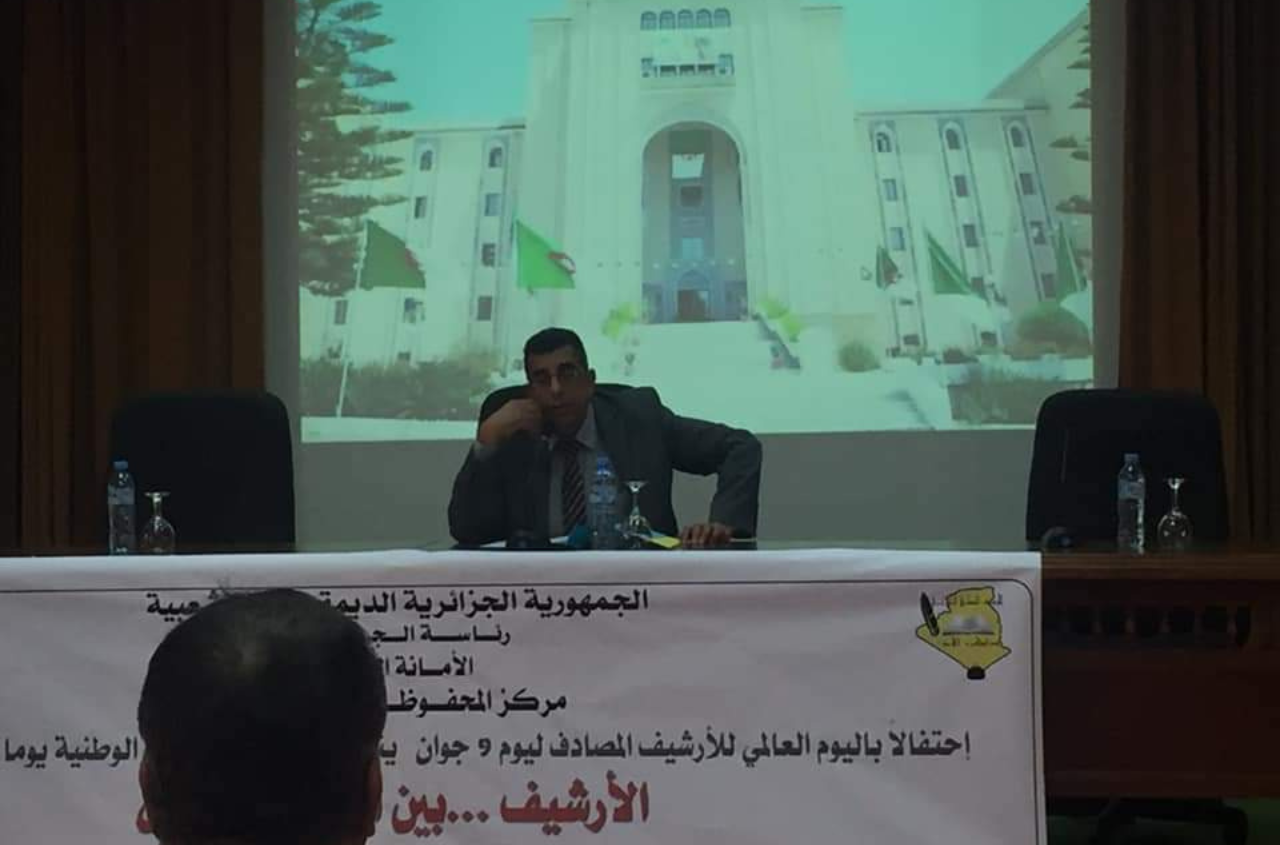
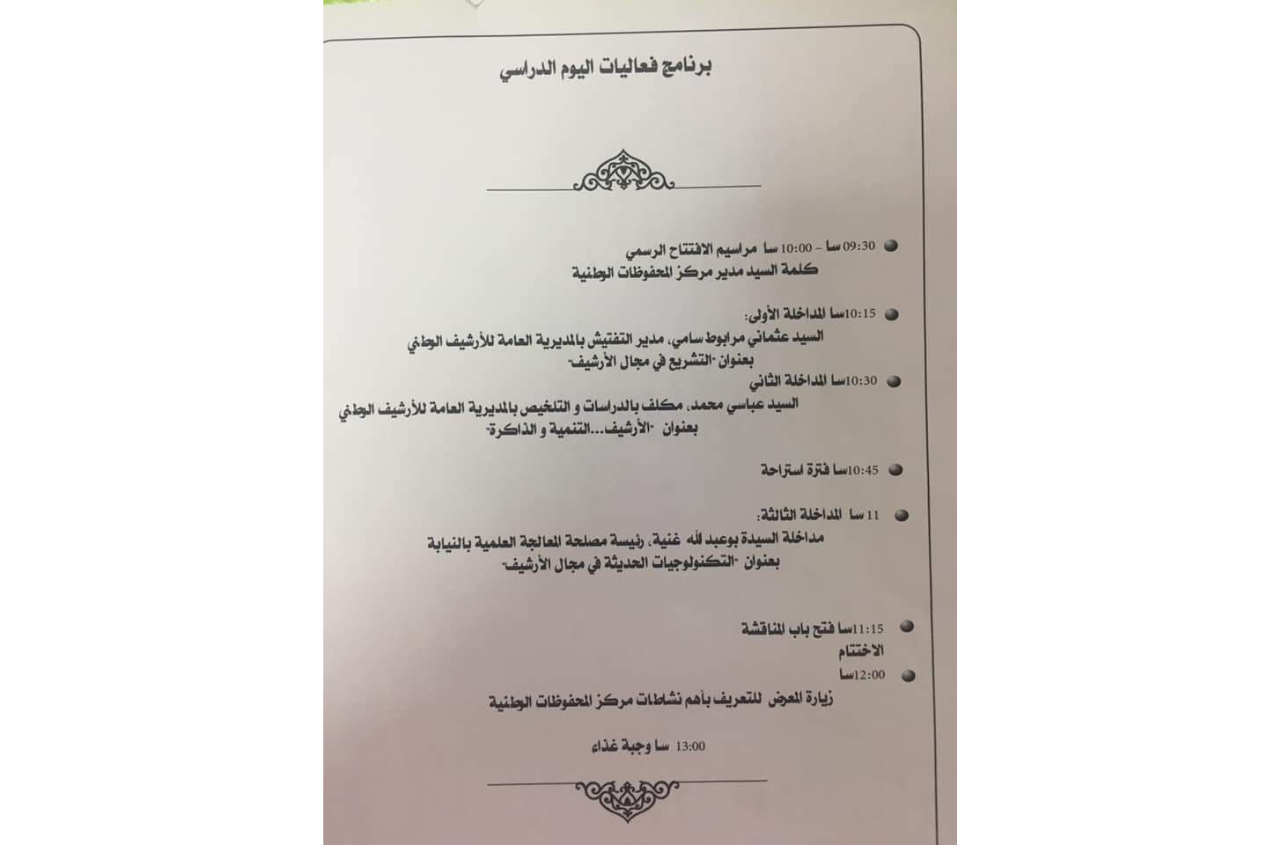
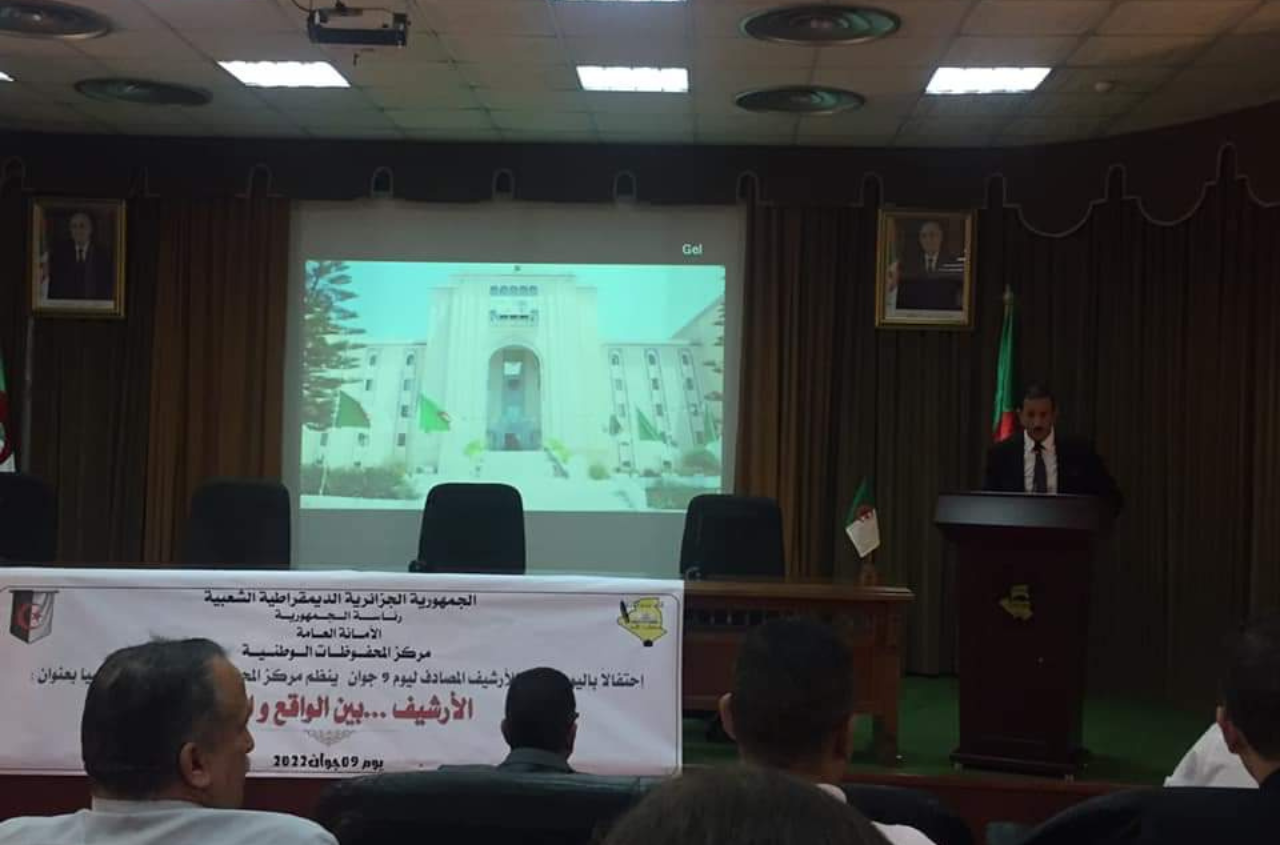
On the occasion of celebrating the World Archives Day 2022, the National Archives Center organized a study day entitled: “Archives between Reality and Horizons”, with the participation of executives and representatives of ministerial sectors, including heads of archives departments on neighboring Wilaya, as well as executives of the General Directorate of the National Archives and the National Archives Center. The activity was inaugurated by Mr. Mohamed Tiliouine, Director of the National Archives Center, with a welcoming speech expressing the value and status of this International Day for the archivists and the sector in Algeria, praising the efforts being made to advance and promote this sector in Algeria and outside Algeria. In order to valorize and enrich this study day, interventions were scheduled for the executives of the Directorate General of the National Archives and the National Archives Center, as well as representatives of the ministerial sectors, where the interventions of the two gentlemen were recorded: • Othmani Merabout Sami, Director of Inspection, with an intervention entitled: “Archival legislations in Algeria”. • Abbasi Mohamed, in charge of studies and summarization, with an intervention entitled: “Archives… Development and Memory”. As well as the intervention of Mrs. Bouabdallah Ghania, interim head of the scientific processing service, on “Modern Technologies in the Field of Archives”.
The Fourth International Colloquium on the Common Algerian-Ottoman Heritage
2022
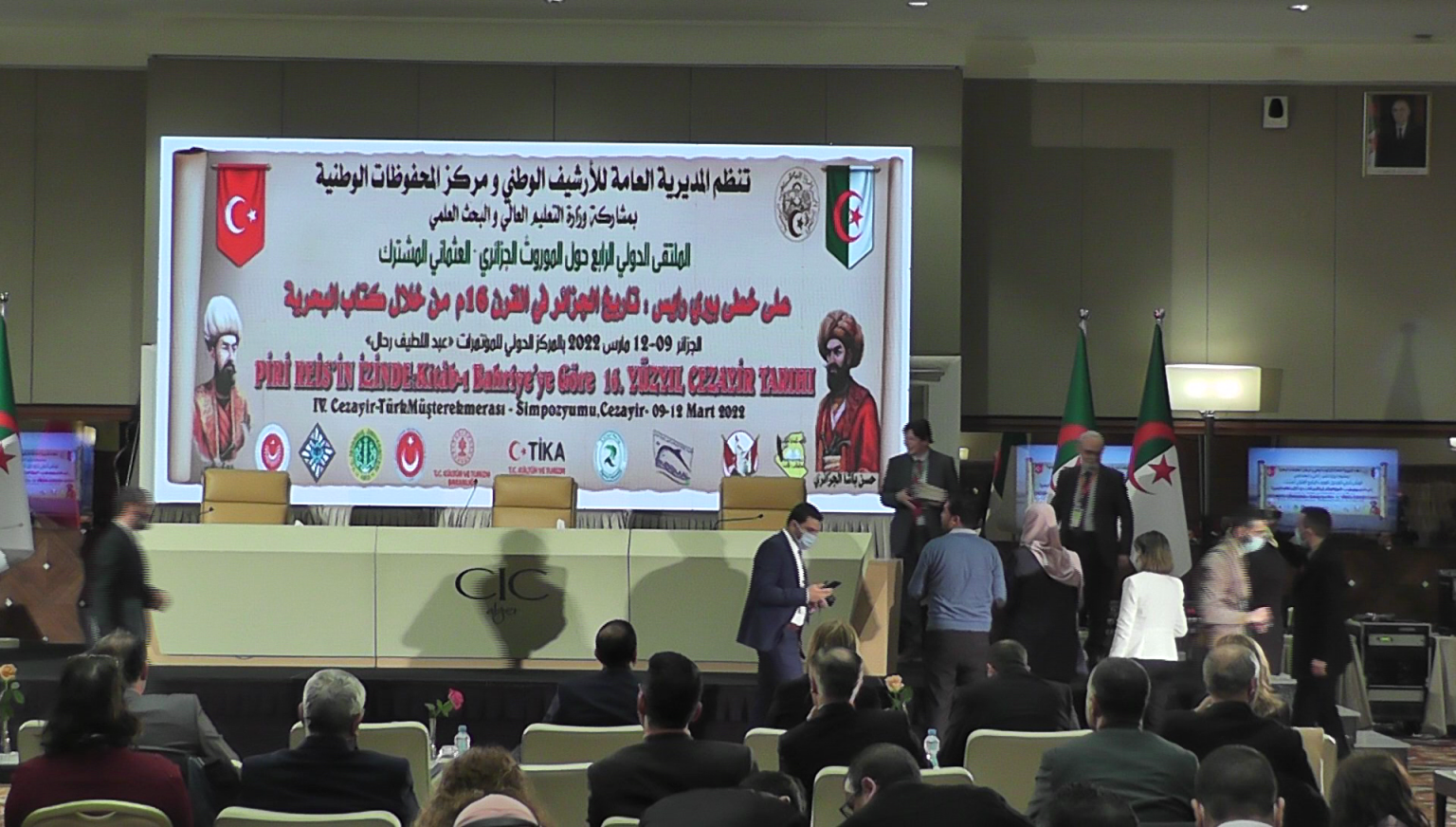
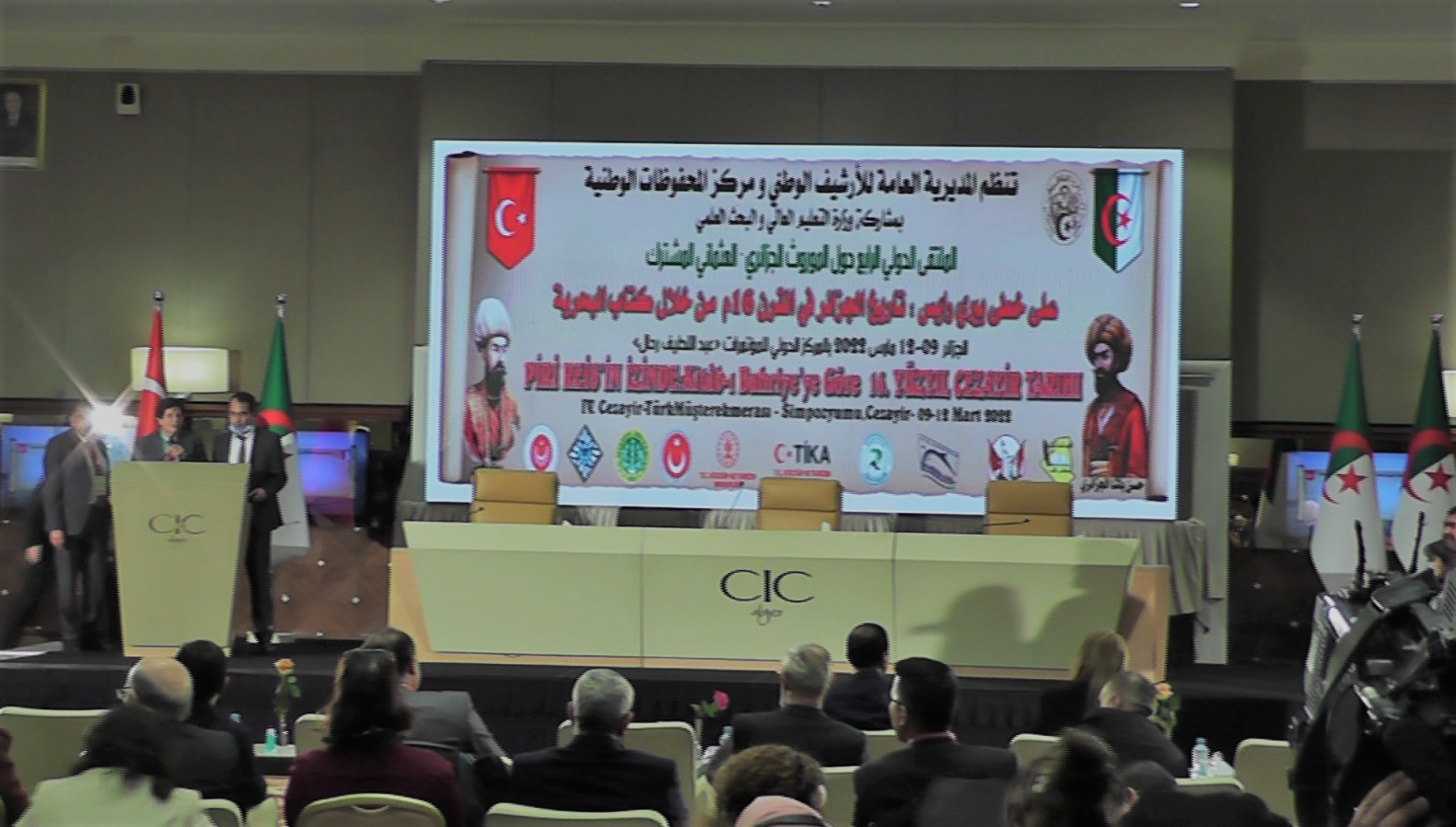
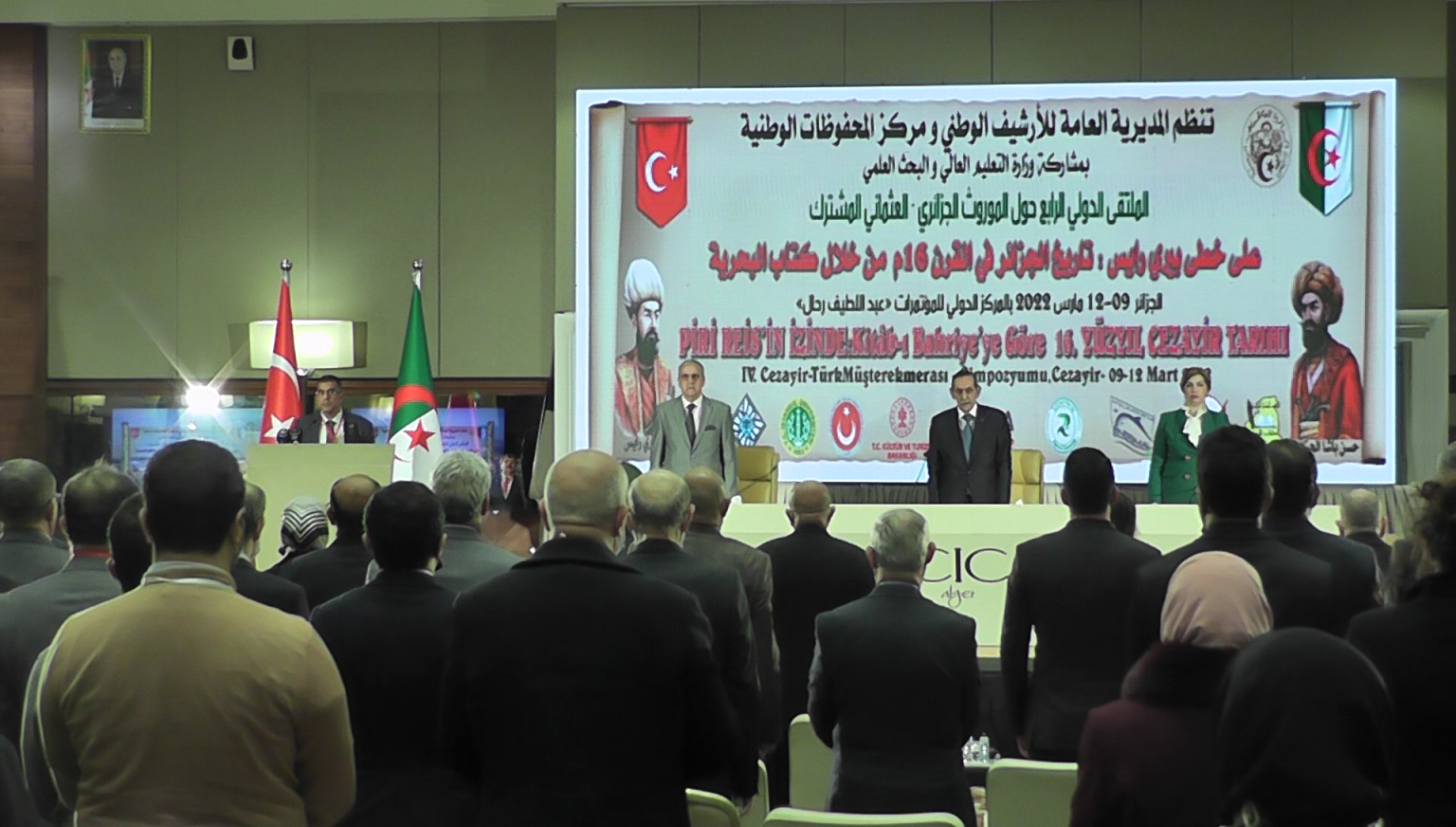
The National Archives, with the participation of the Ministry of Higher Education and Scientific Research, organized the fourth international colloquium on the common Algerian-Ottoman heritage, entitled: “In the Footsteps of Piri Reis: The History of Algeria in the 16th Century through the Book of the Navy”, on March 9 and 12, 2022 at the International Conference Center Abdellatif Rahal in Algiers. The purpose of this colloquium was to know the extent to which Piri Reis’ book “The Navy” constitutes the main source in drawing the geo-nautical map of the Ottoman Empire in the Mediterranean Sea in the 16th century, in addition to trying to understand the position of the regency of Algiers and the Maghreb region as a whole in the Ottoman strategy and the Spanish-Ottoman conflict in the Mediterranean.
The colloquium also sought to search for the true point of view of the original sources, whether Islamic or Western, regarding the information content or maps employed by Piri Reis to place his huge and unique work in the modern era. Additionally to investigating the nature of the reasons that prevented the Ottoman Empire from paying attention to the movement of the geographical explorations in the Atlantic Ocean when it was at the height of its power, and the impact of this on the routes and the weight of the Islamic world in international maritime trade. In addition to knowing the extent to which Piri Reis’ early travels to the Islamic Maghreb region and his relationship with the inhabitants of the region served as the groundwork that paved the way for the activity and stability of the Barbaroussa brothers in Algeria in particular.
Arab League: Appreciation and Gratitude
2022
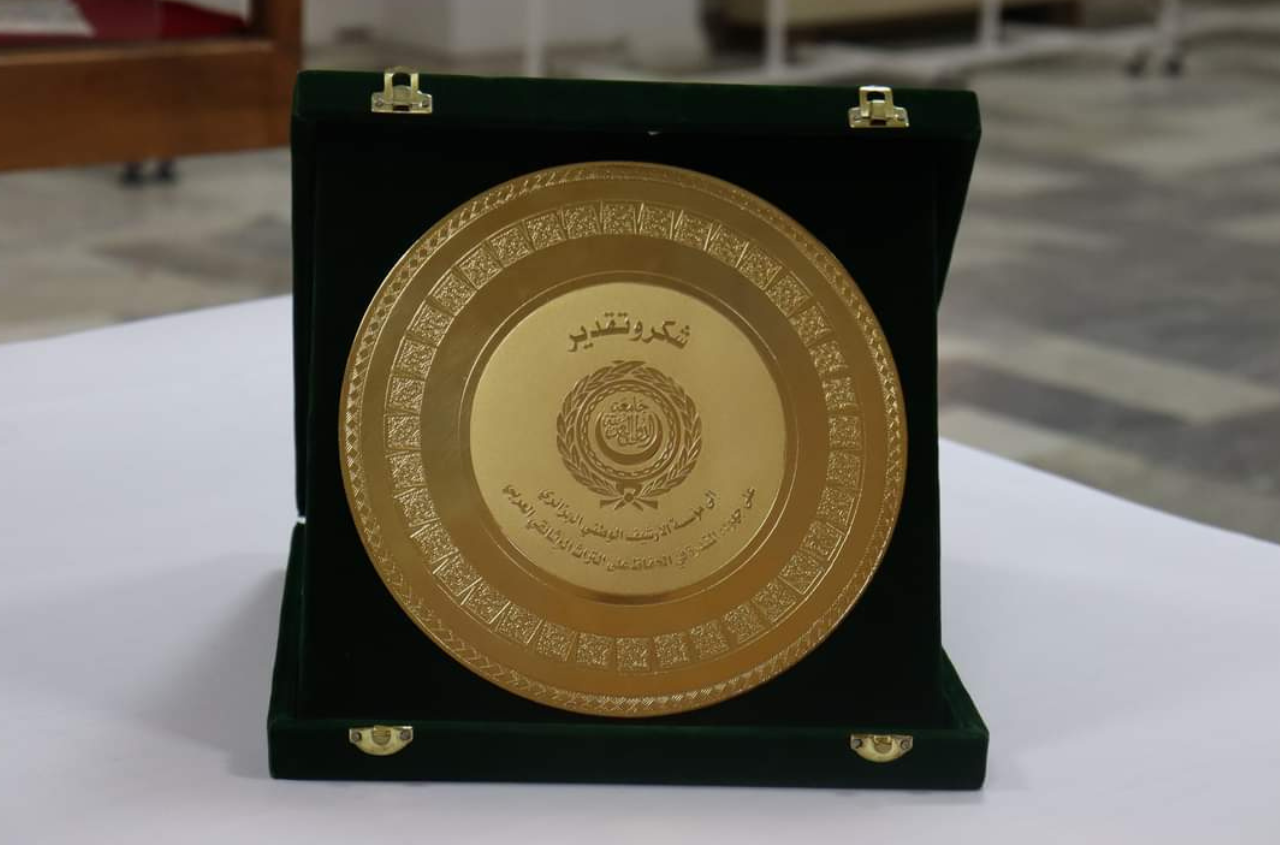
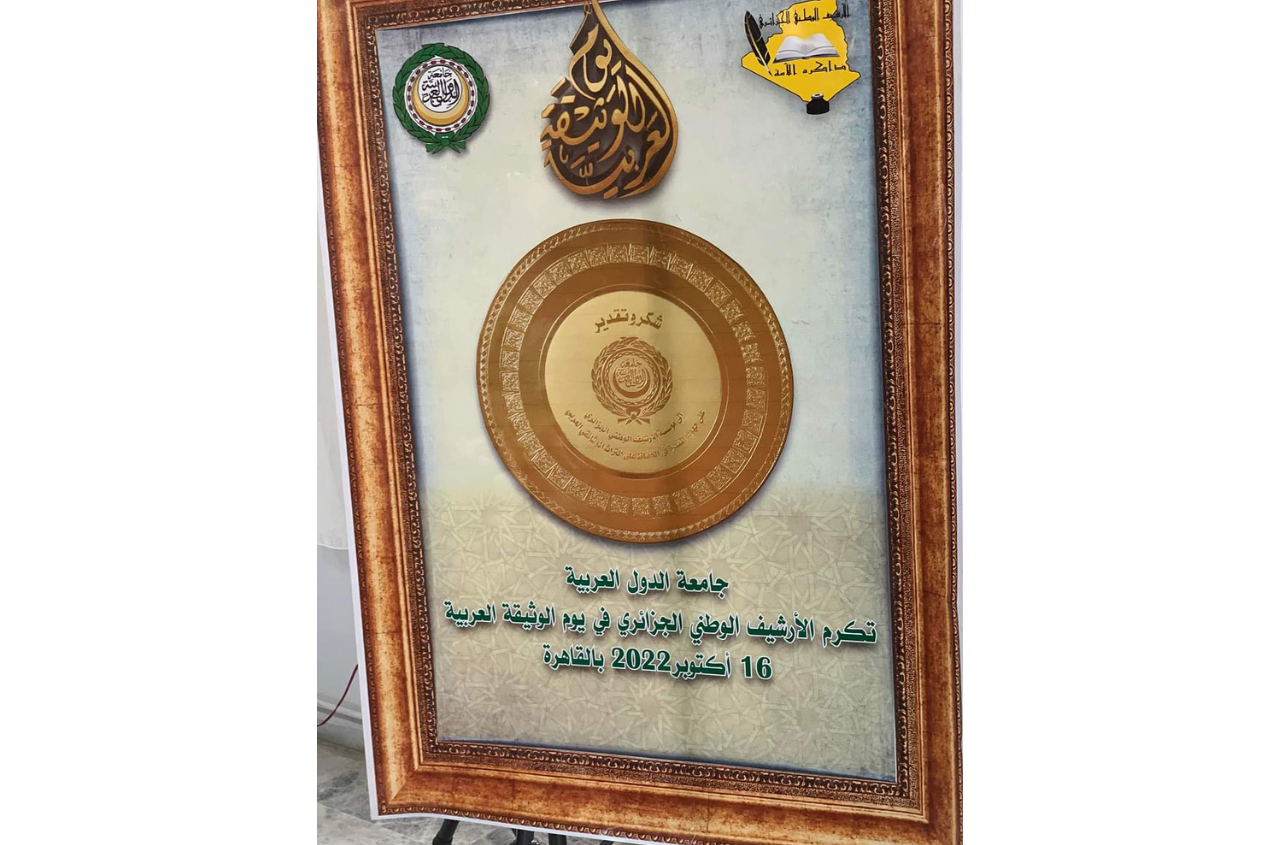
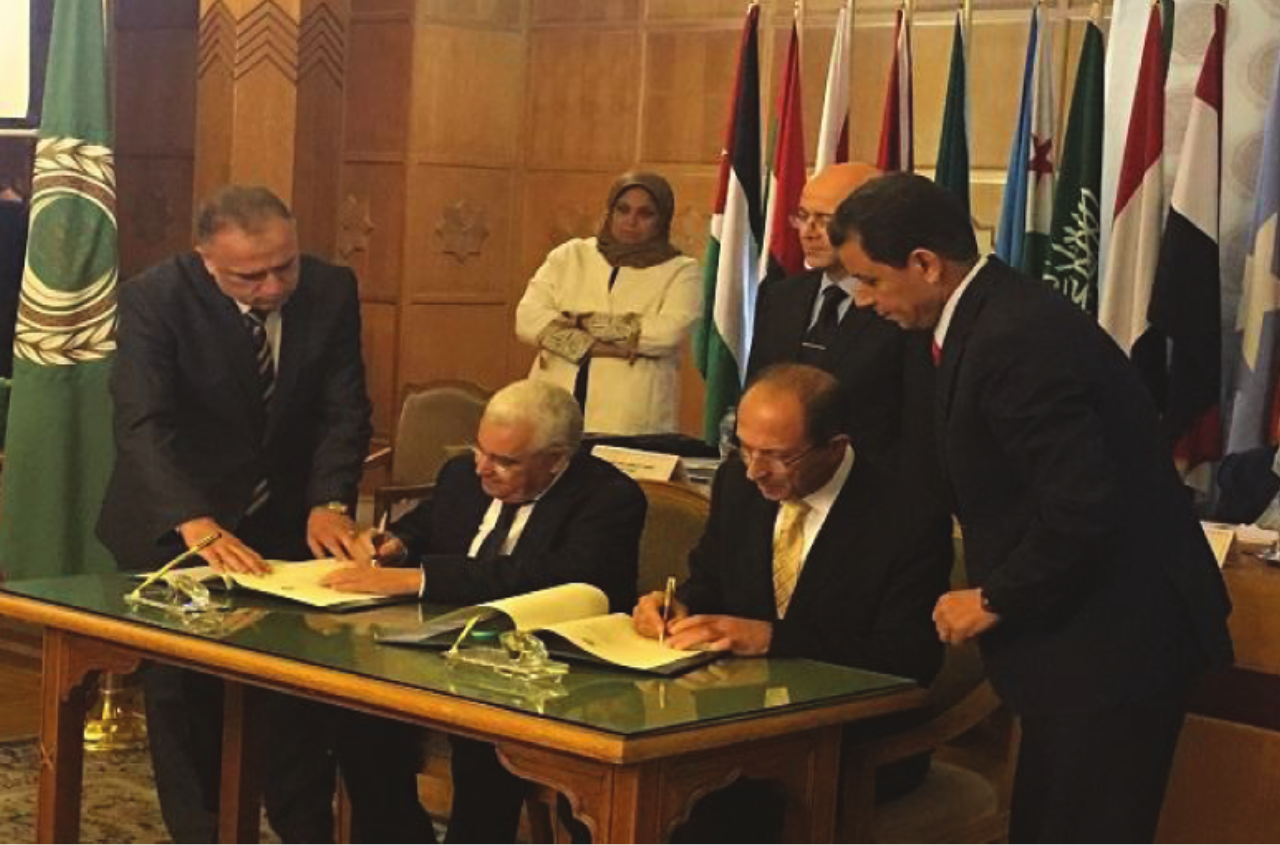
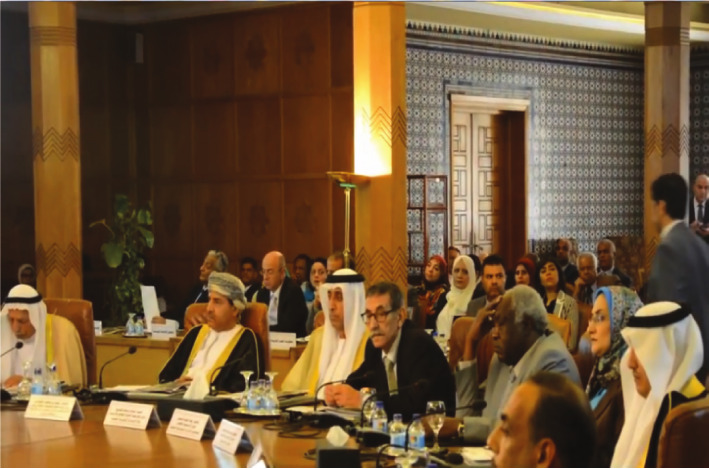
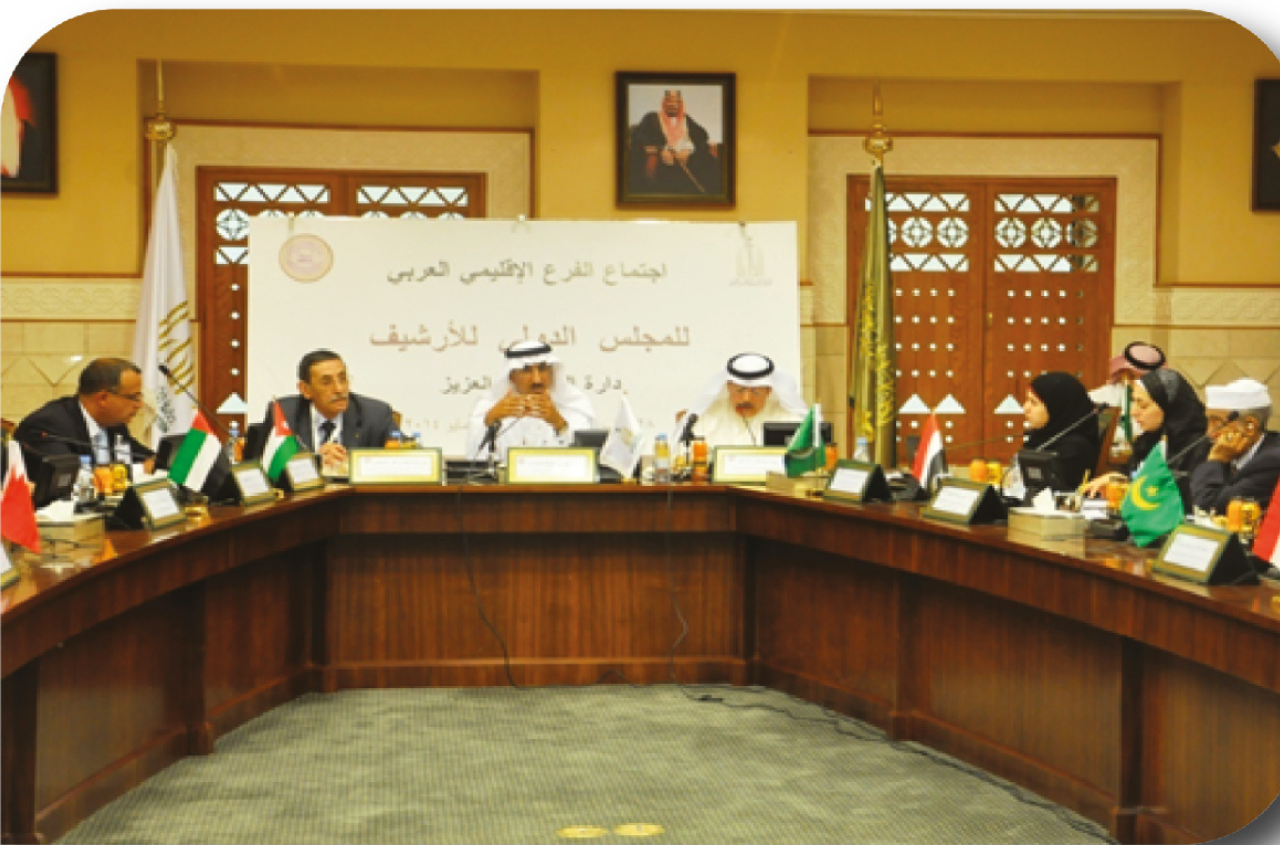
In gratitude and appreciation for all the efforts made and still being made by the Algerian National Archives institution in order to advance the archives sector and the archival profession at the national and international levels, especially the Arab one, the institution was chosen that year among the Arab archives centers to be honored by the League of Arab States during the Arab document day on October 16, 2022. The honorary shield arrived in Algeria and was received by Mr. Director General, Abdelmadjid Chikhi.
The Second National Colloquium on Archives Communication and Accessibility between Text and Application
Mazafran 2020
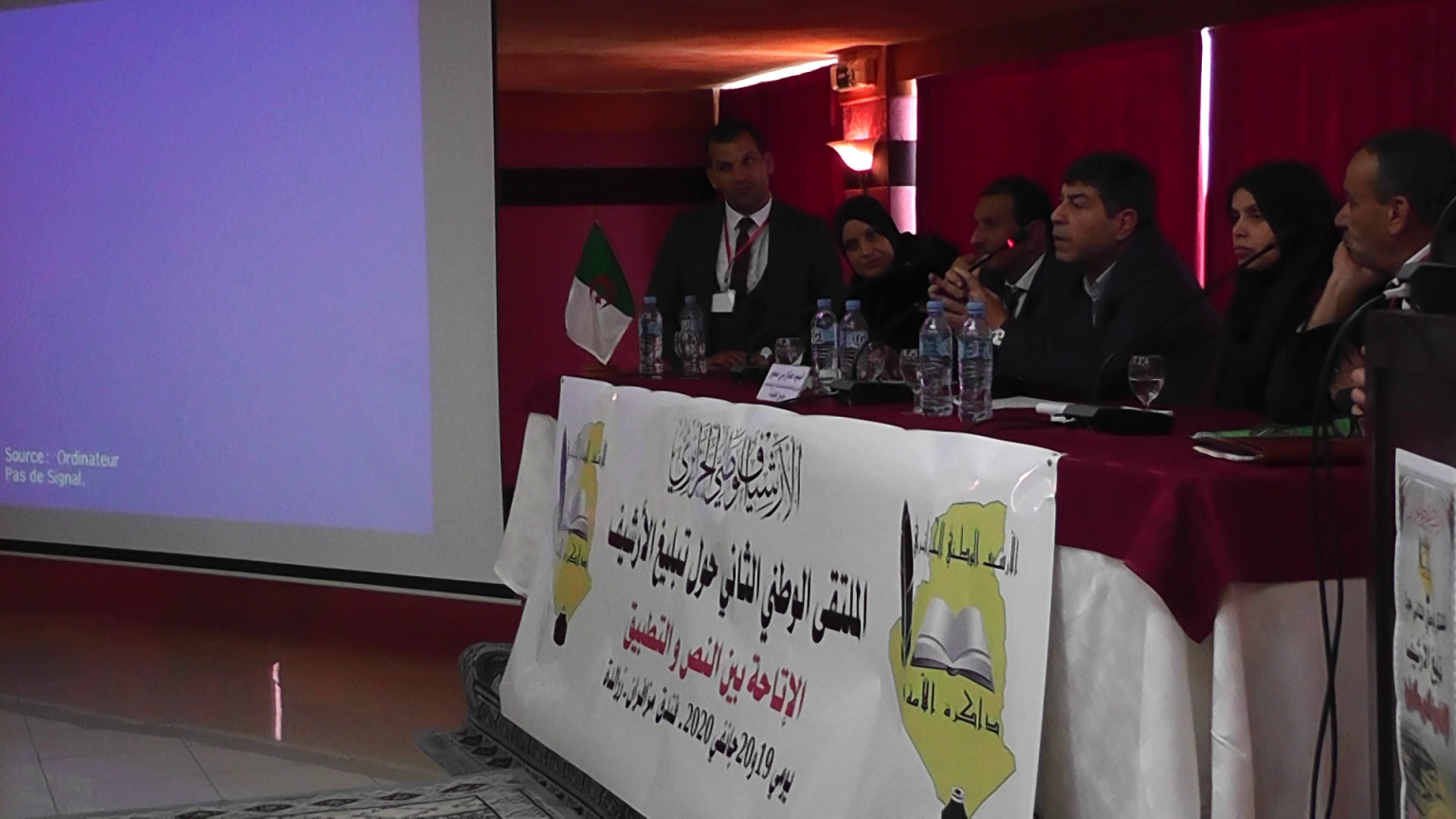
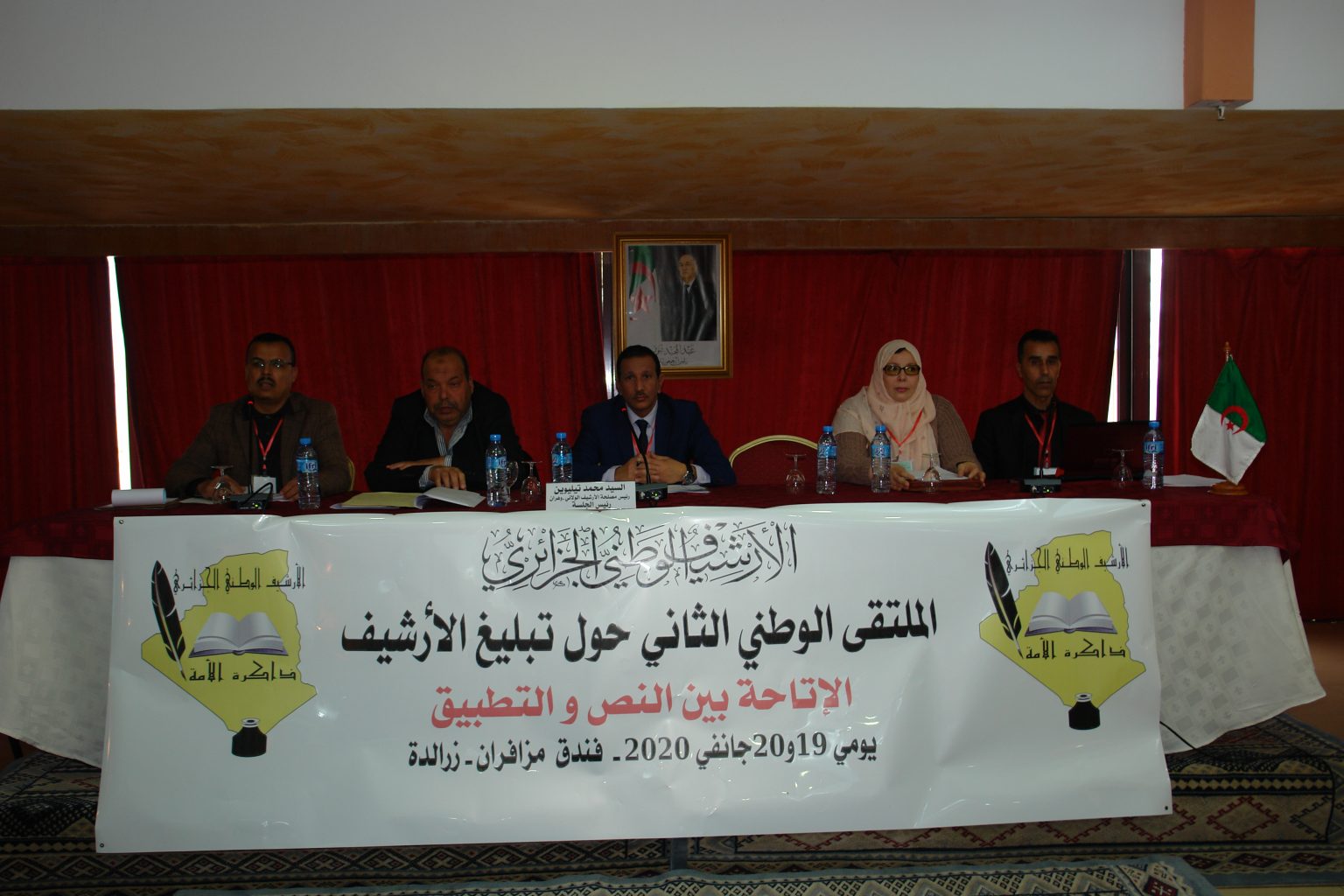
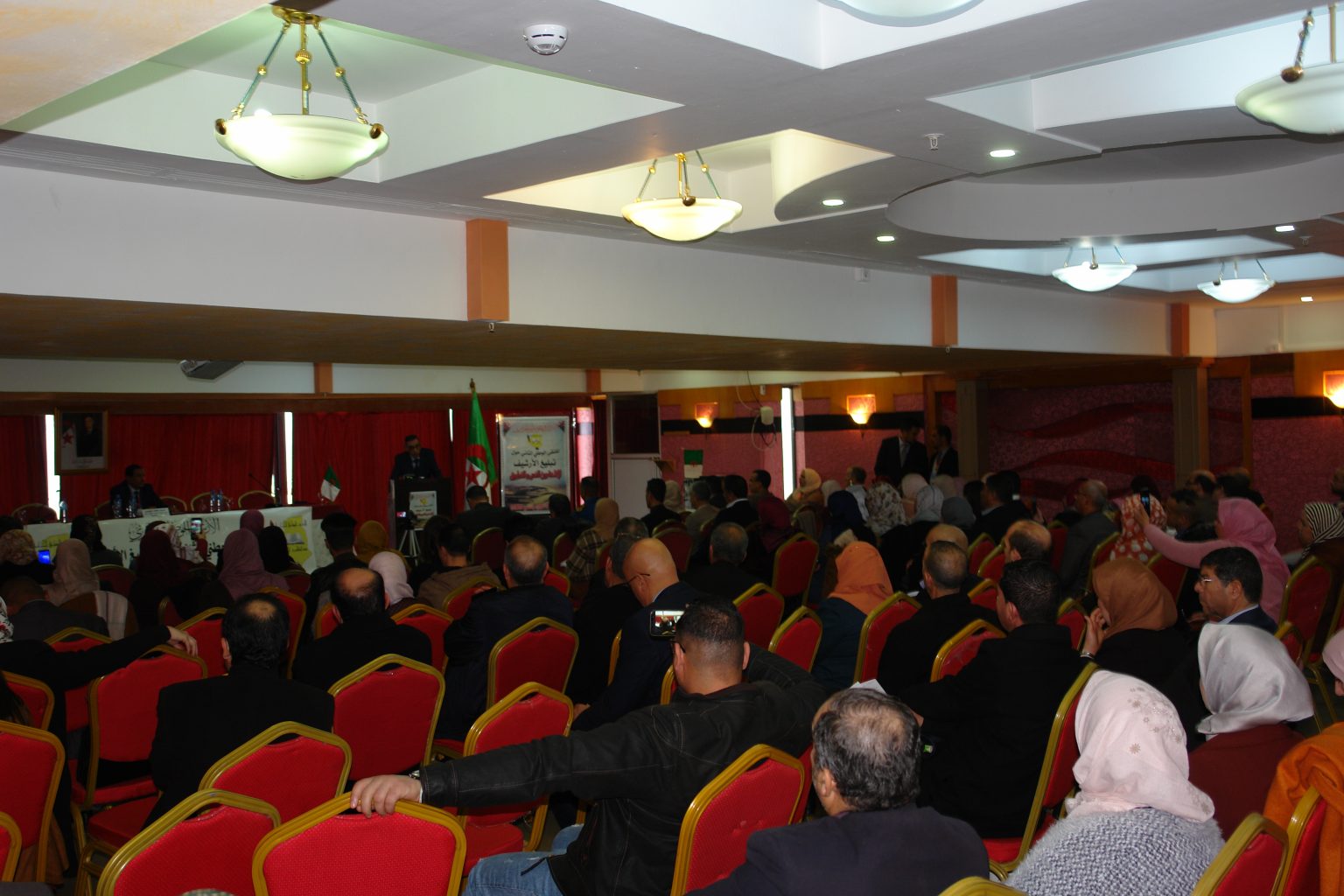
The National Archives Institution organized its second national colloquium on Archives communication and accessibility between text and application on January 19 and 20, 2020.
The First National Colloquium on Archives Accessibility between Text and Application
Bechar 2018
On December 9 and 10, 2018, the National Archives Institution organized a national colloquium in the Wilaya of Bechar, its topic of which was communicating archives under the title “Archives Accessibility between text and application”. A group of heads of archives departments in the Wilaya of: Algiers, Oran, Constantine, Bechar, Tizi Ouzou, Ghardaia, Bejaia, Ouargla, Skikda, Msila, Medea, Tlemcen, and Annaba participated in this event. In addition to the sub-directorate of the archives of the central administration of Ministry of the Interior, Local Authorities, and Urban Development as well as the land conservation of Bechar and many executives of the National Archives. The colloquium had many interventions discussing the experience of archives communication whether at the National Archives Center or at archives departments in different Wilaya followed by sessions of discussion, raising concerns and exchanging opinions. The colloquium culminated in final statement by the participants and included many recommendations that were submitted to the guardianship which are:
The necessity to amend the legal and regulatory texts related to the archives management, especially those affecting the process of communicating archives, with the inclusion of new articles in the Wilaya law regarding Wilaya’s archives.
The necessity of issuing legislative and regulatory texts to separate historical archives from administrative archives in order to remove confusion and ambiguity prevailing among some administrations and institutions.
Working to activate Circular 39 dated November 21, 2010 regarding the formation of the national archives catalogue.
Conducting inspection operations in coordination between the Ministry of Interior and the National Archives for various regional archival departments.
Taking the necessary measures and procedures to save the historical archives located at municipalities level.
The need to unify archival terminology.
The necessity of issuing legislative and regulatory texts dealing with communicating private archives.
Priority for processing historical fonds required for communication.
Unifying the internal regulations of the reading room at the level of all Wilaya departments.
The necessity of promoting the archival profession and providing legal protection to those in charge of archives.• The necessity to maintain technical positions that are about to disappear in order to preserve archival work and create other professions related to archives.
Annual Seminar of the International Council on Archives (ICA)
Cameroon 2018
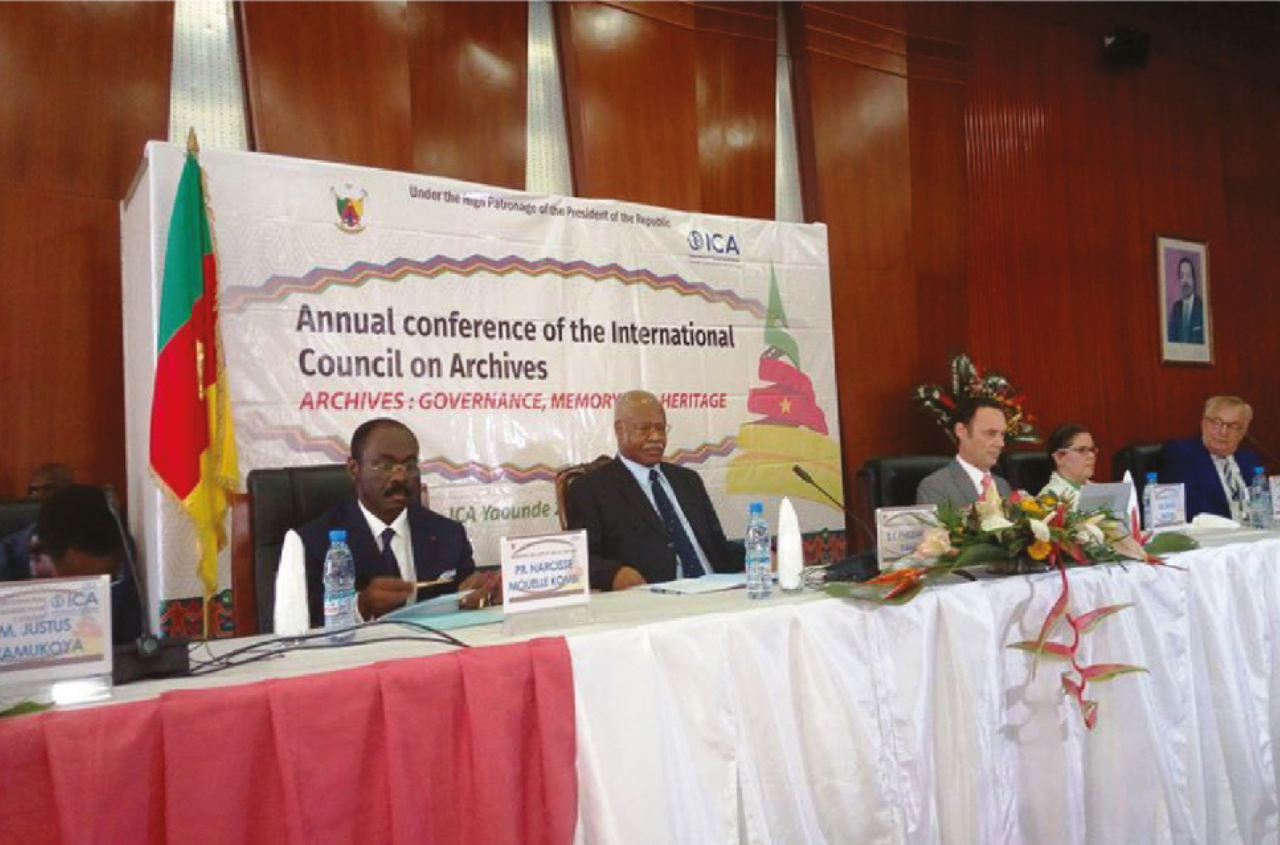
The annual seminar of the International Council on Archives was held from November 24 to 28, 2018 in the Cameroonian capital, Yaoundé, entitled: “Archives, Government, Memory and Heritage”. The opening ceremony was chaired by the Prime Minister and the Minister of the Cameroonian Government; the personal representative of His Excellency the president of the Republic of Cameroon.
It should be noted that the capital city Yaoundé has been chosen as the international capital of archives for the year 2018 and this is also the first time that the International Council on Archives has held one of its important meetings in an African country.
More than 500 archivists and documentarians from various countries around the world attended this seminar, where the Arab Regional Branch of the International Council on Archives was represented by Mr. Abdelmadjid Chikhi, Director General of Algerian Archives, who raised the problems and concerns of ARBICA and put them up for discussion, whether at the workshop level or the General Assembly.
Algeria Participates in the Events Celebrating the Arab Document Day
Cairo 2018
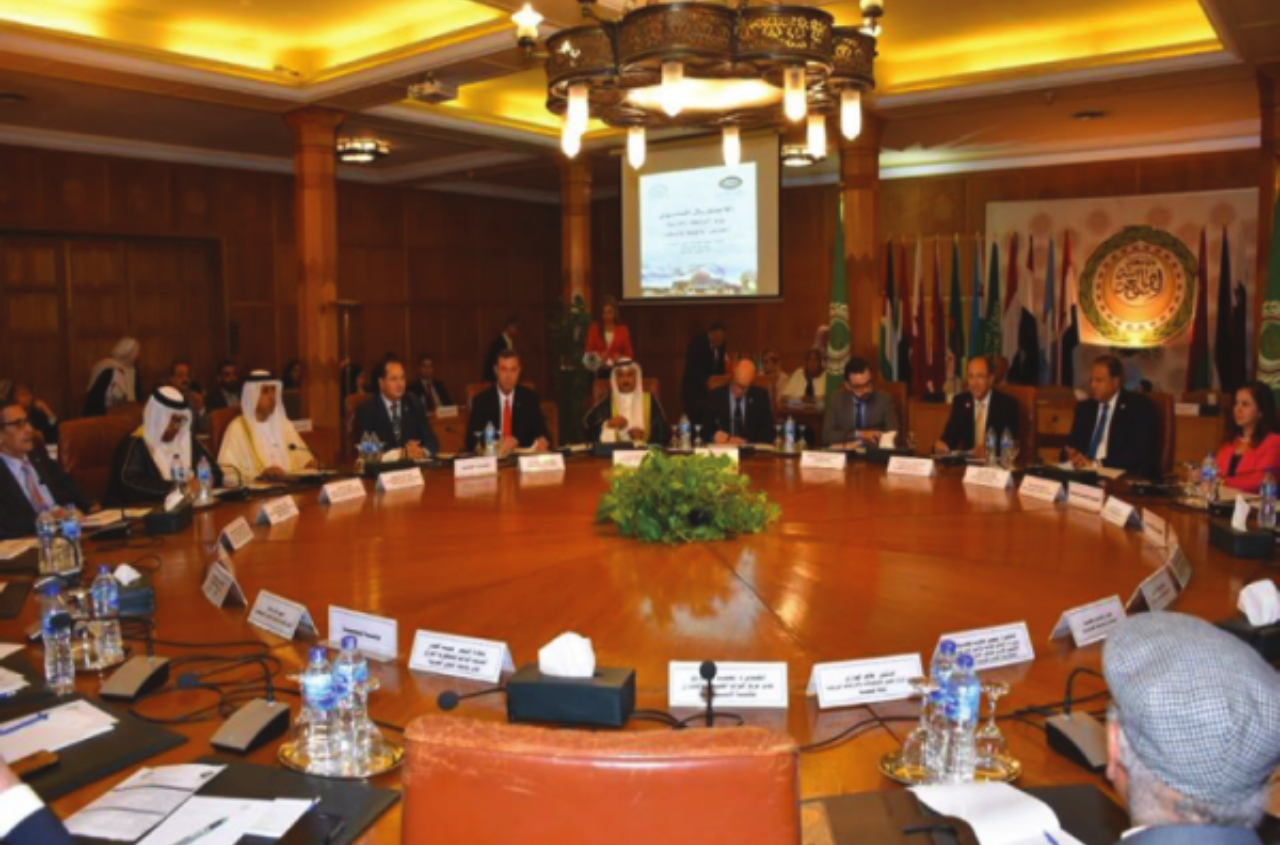
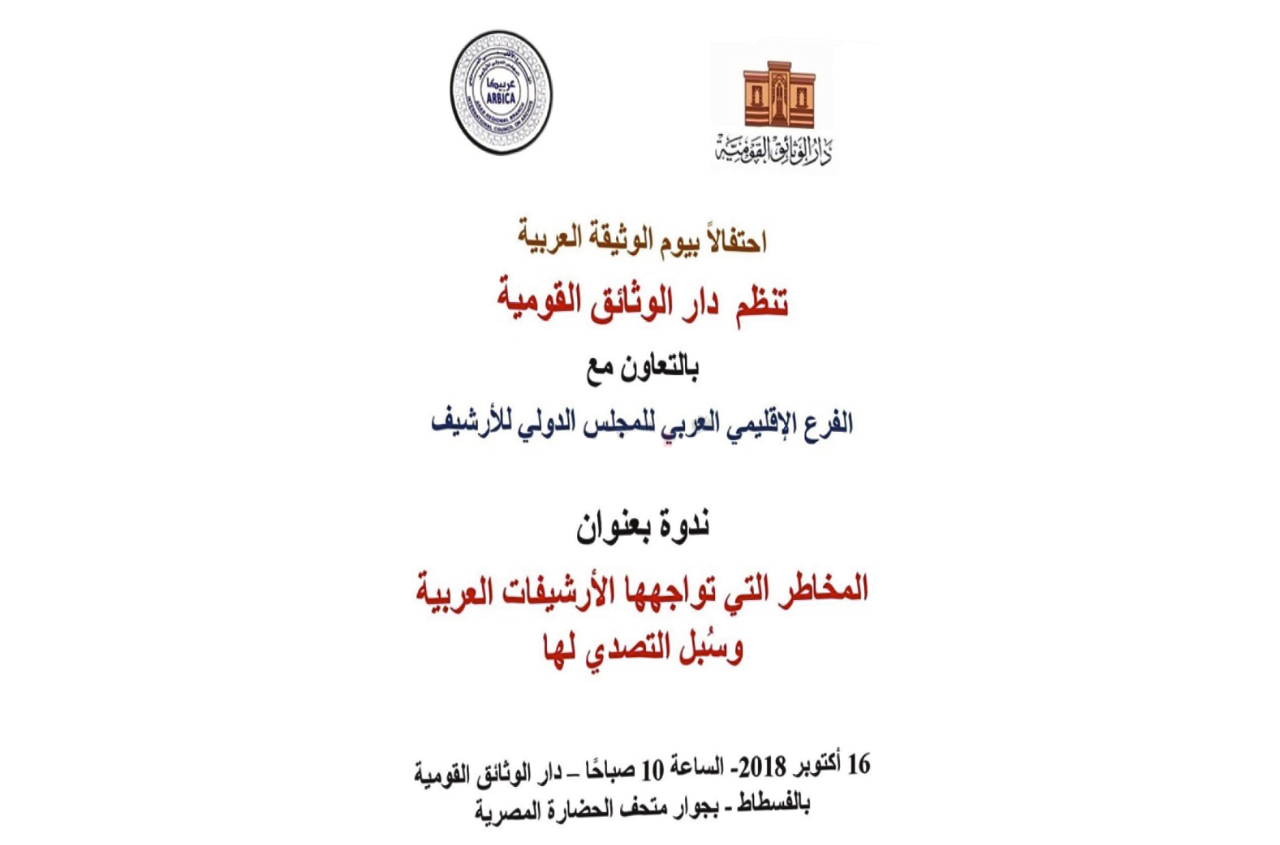
The General Secretariat of the League of Arab States, in coordination with the Arab Regional Branch of the International Council on Archives (ARBICA), organized the annual celebration of the Arab Document Day for the year 2018 in the Egyptian capital, Cairo, under the slogan “El Qods the Eternal Capital of Palestine”, in order to shed light on the Israeli violations in the occupied Palestinian territories, which constitute a serious violation of international law against the Arab identity of El Qods and its history. On the sideline of this celebration, a seminar was also held entitled “The dangers faced by Arab archives and ways to confront them”. This celebration was attended by a group of public and official Arab figures including the Palestinian Minister of Culture, permanent delegates from Arab countries, ambassadors, members of the Arab Regional Branch of the International Council on Archives, and heads of Arab archives centers. The participation of the National Archives delegation, under the chairmanship of the Director General of the National Archives, consisted of presenting three interventions that addressed the various risks to which archives are exposed from human, natural, and technical perspectives, in addition to providing recommendations in order to address these risks. At the end of the celebration, a group of Arab figures and institutions in the field of preserving the Arab documentary heritage were honored.
Participation of the National Archives in the Celebrations of the Arab League
2017
Within the framework of celebrating the Arab Document Day for the year 2017, which coincided with the 100th anniversary of issuing the ill-fated Balfour Declaration, “the Palestinian Question” was chosen as the title, it was supervised by the League of Arab States in coordination with the Arab Regional Branch of the International Council on Archives (ARBICA) and was attended by public and official Arab figures, permanent delegates of Arab countries and heads of Arab archives centers. The National Archives Institution contributed to the celebration of this day by organizing a photo exhibition highlighting some of the documents dealing with the ill-fated Balfour Declaration and the Algerian position vis-à-vis the unfair Israeli occupation of Palestinian lands.
International colloquium:
“Crossed visions on the Ottoman Heritage in Algeria during the Ottoman Era”
Algiers 2017
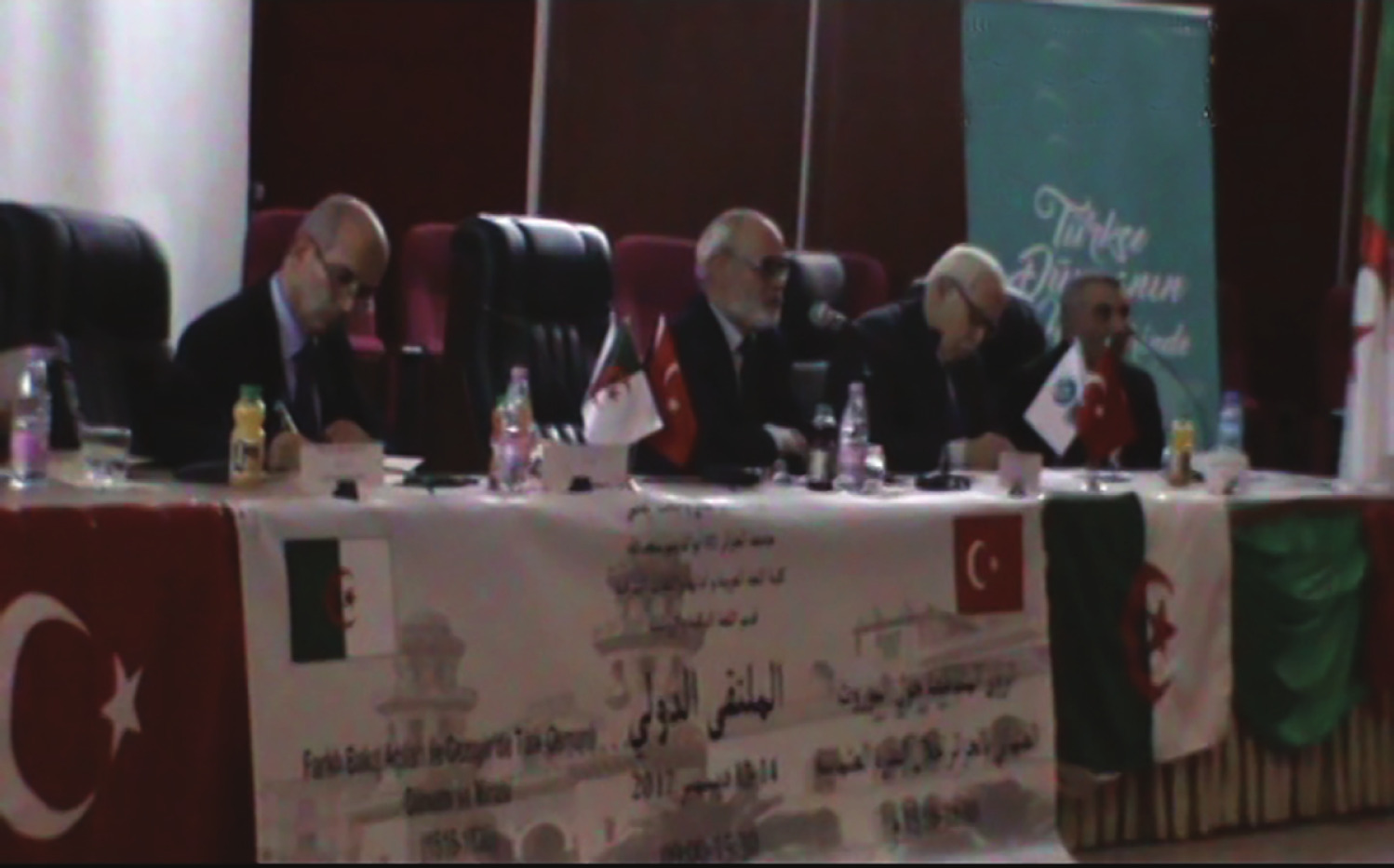
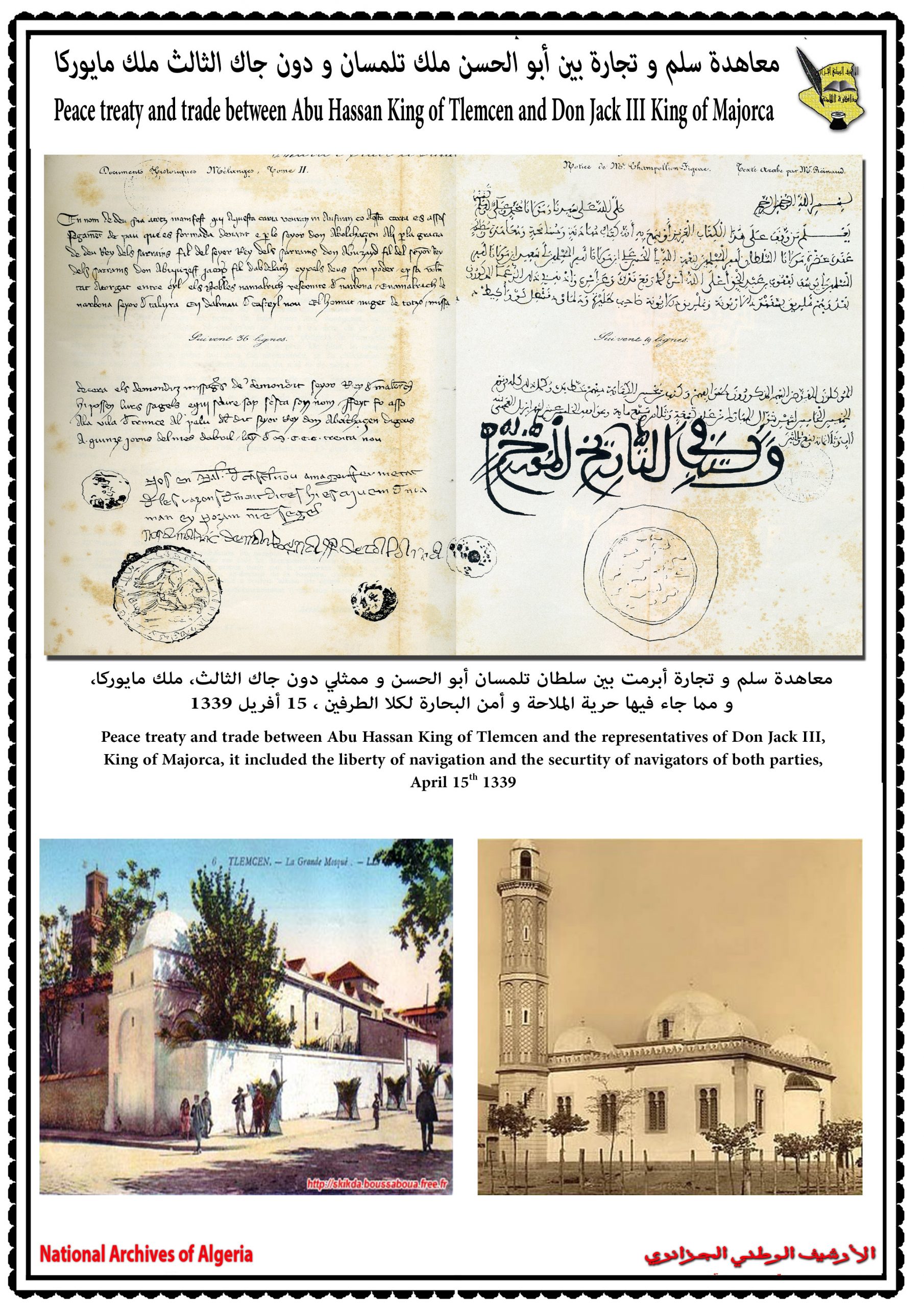
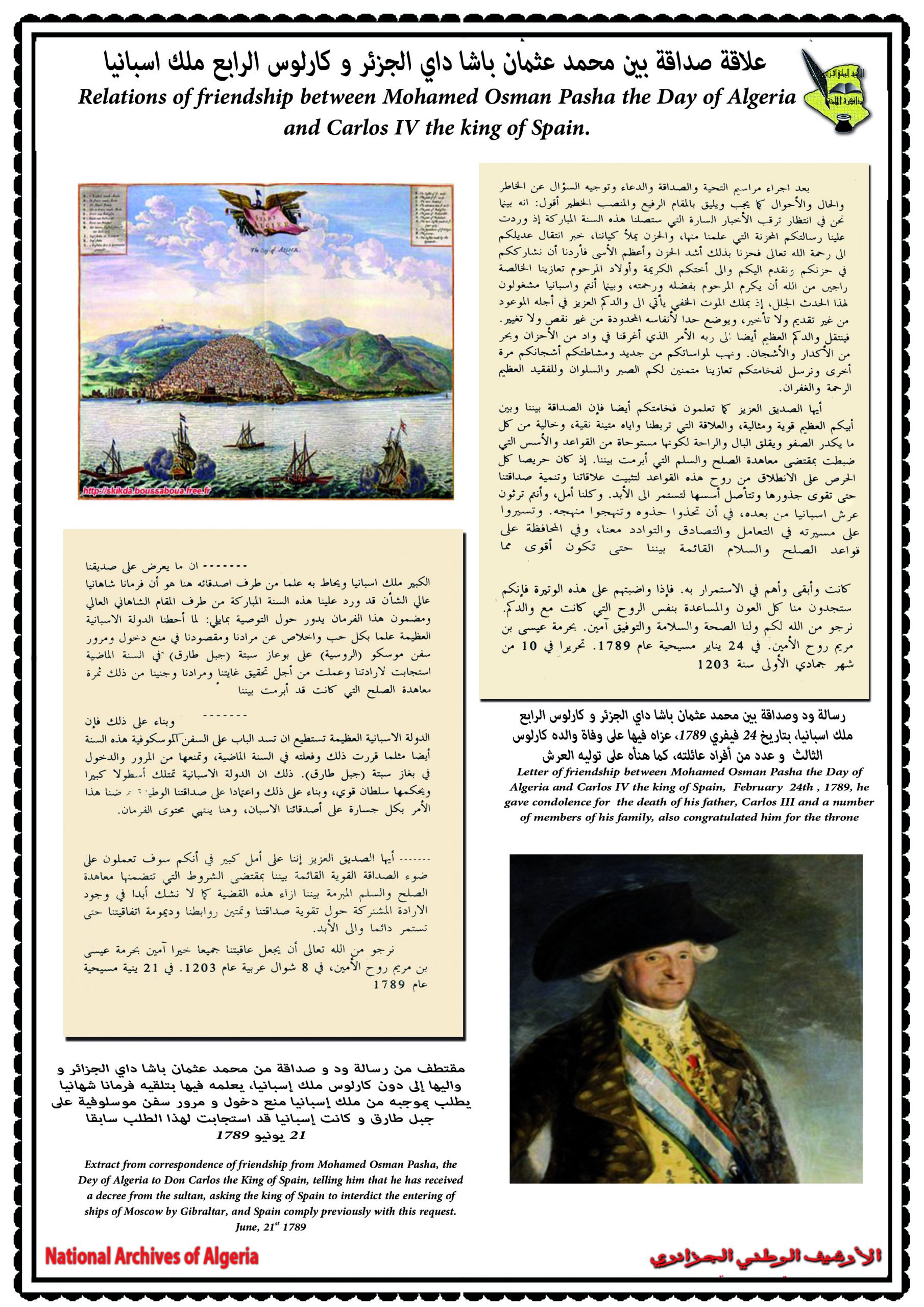
The institution of the Algerian National Archives in collaboration with the Turkish Agency for Cooperation and Development organized, on December 13 and 14, 2017, an international colloquium entitled: “Crossed Visions on the Ottoman Heritage in Algeria during the Ottoman Period, 1516-1830”. It was held at the University of Algiers 2 Abu el Qacem Saadallah, in Bouzareah, in presence of the Director General of the National Archives Mr. Abdelmadjid Chikhi and a group of university professors from both countries. The colloquium addressed the nature of the old relationship that links Algeria to Turkey and the common history between the Regency of Algiers and the Ottoman Empire. This event was an opportunity to consolidate relations and strengthen the bonds of cooperation between the two countries.
International Colloquium:
“Commemoration of the 500th Anniversary of the Arrival of the Barbarossa Brothers on the Algerian Coasts and the Birth of the Algerian State in the 16th Century”
Istanbul 2017
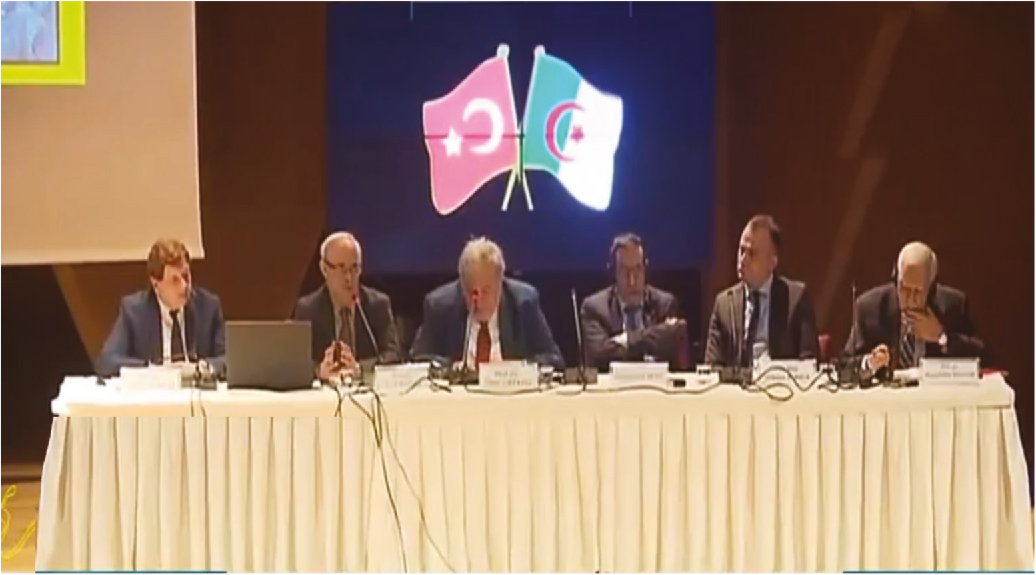
Within the framework of celebrating the 500th anniversary of the arrival of the Barbarossa brothers on the Algerian coasts and the birth of El Djazair El Mahroussa (the well-guarded Algiers) during the Ottoman era, 1516-1830, a second international colloquium was held in Istanbul in February 2017; in cooperation between the National Archives of Algeria and the Turkish National Archives as a continuation of the first international colloquium which was organized in Algeria 2016. In the light of this colloquium, Turkish and Algerian professors presented important interventions including that of the Director General of the Algerian Archives, Mr. Abdelmadjid Chikhi, in which he highlighted one of the most important stages of the Algerian history during the Ottoman era.
International Colloquium:
“Commemoration of the 500th Anniversary of the Arrival of the Barbarossa Brothers on the Algerian Coasts and the Birth of the Algerian State in the 16th Century”
Bejaia 2016
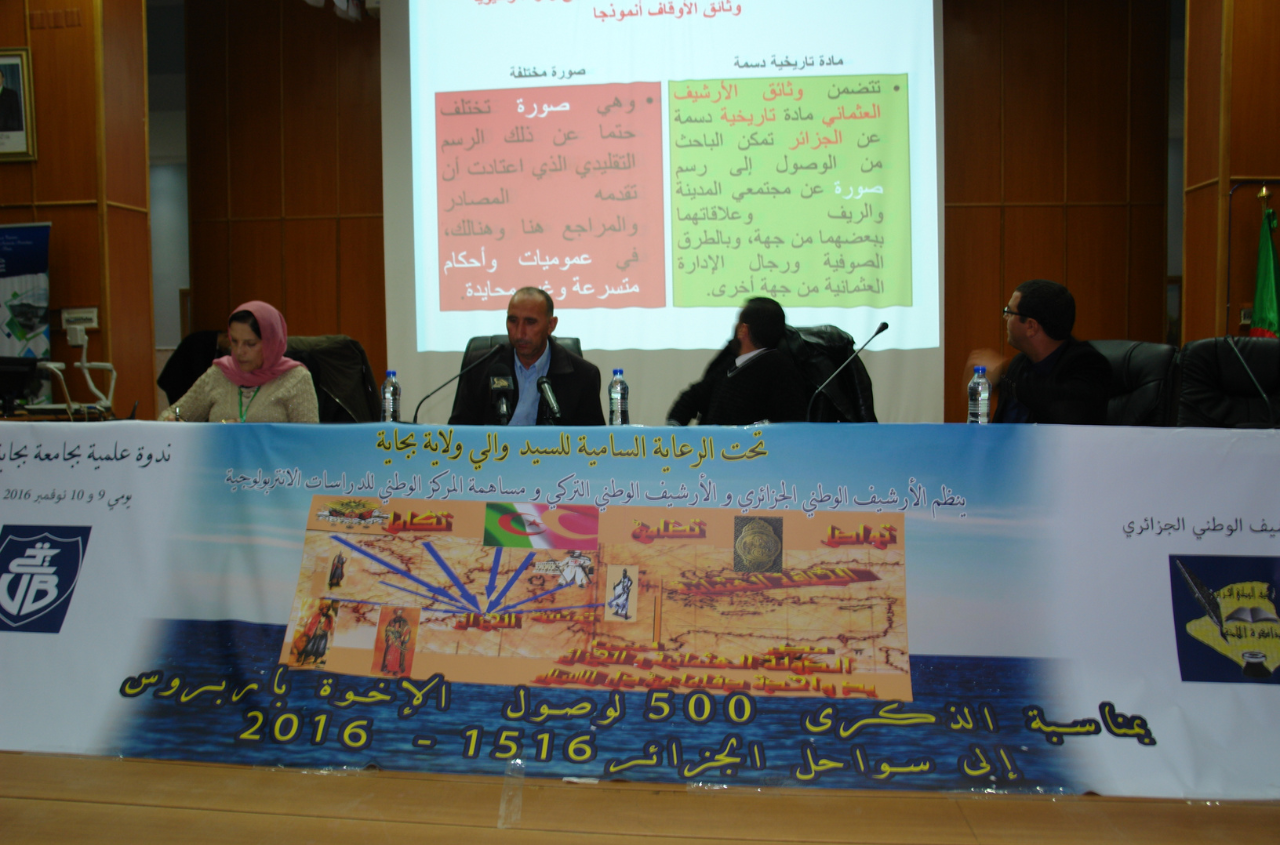
The institution of the Algerian National Archives, in collaboration with the Turkish National Archives and under the high patronage of the Wali of the Wilaya of Bejaia and the National Center of Anthropological Studies, Abderrahmane Mira University, in the same Wilaya, organized on November 9 and 10, 2016, an international colloquium entitled “Kheir Eddine Barbarousse and the Birth of the Algerian State in the 16th century” which lasted three days; the first two days in Bejaia and the third in Algiers. This historic event was attended by a high-level delegation composed of historians and researchers in the history of the Ottoman navy as well as officials from the Turkish Archives. There were three scientific sessions which included 10 rich conferences and addressed different questions related to the history of Algeria and the Ottoman Empire and highlighted documents, photos, copies of correspondences between the inhabitants of Algeria and the Sublime Porte in Turkey and other writings and historical references which speak of this pivotal era in the history of our country and it also included scientific debates.
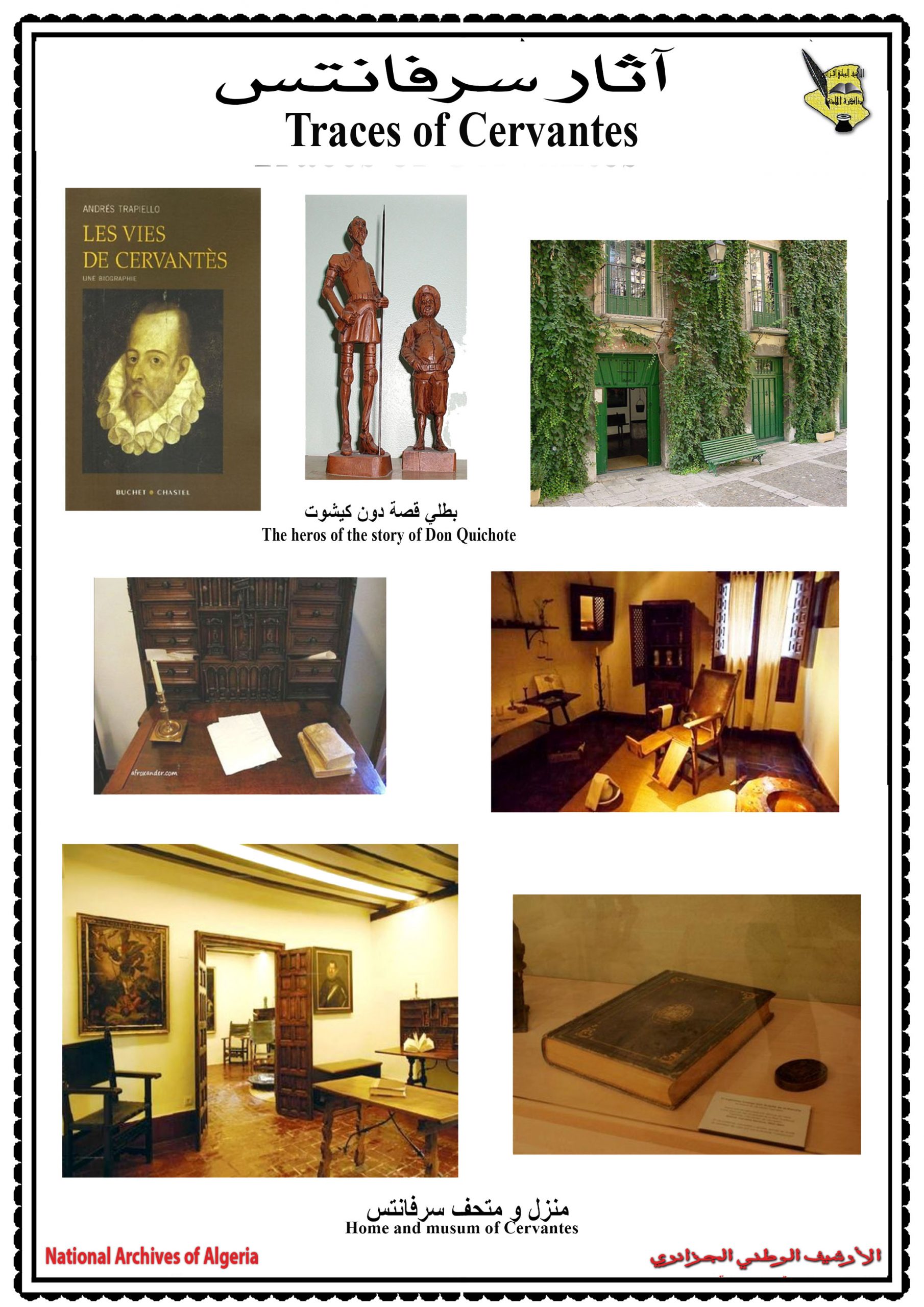
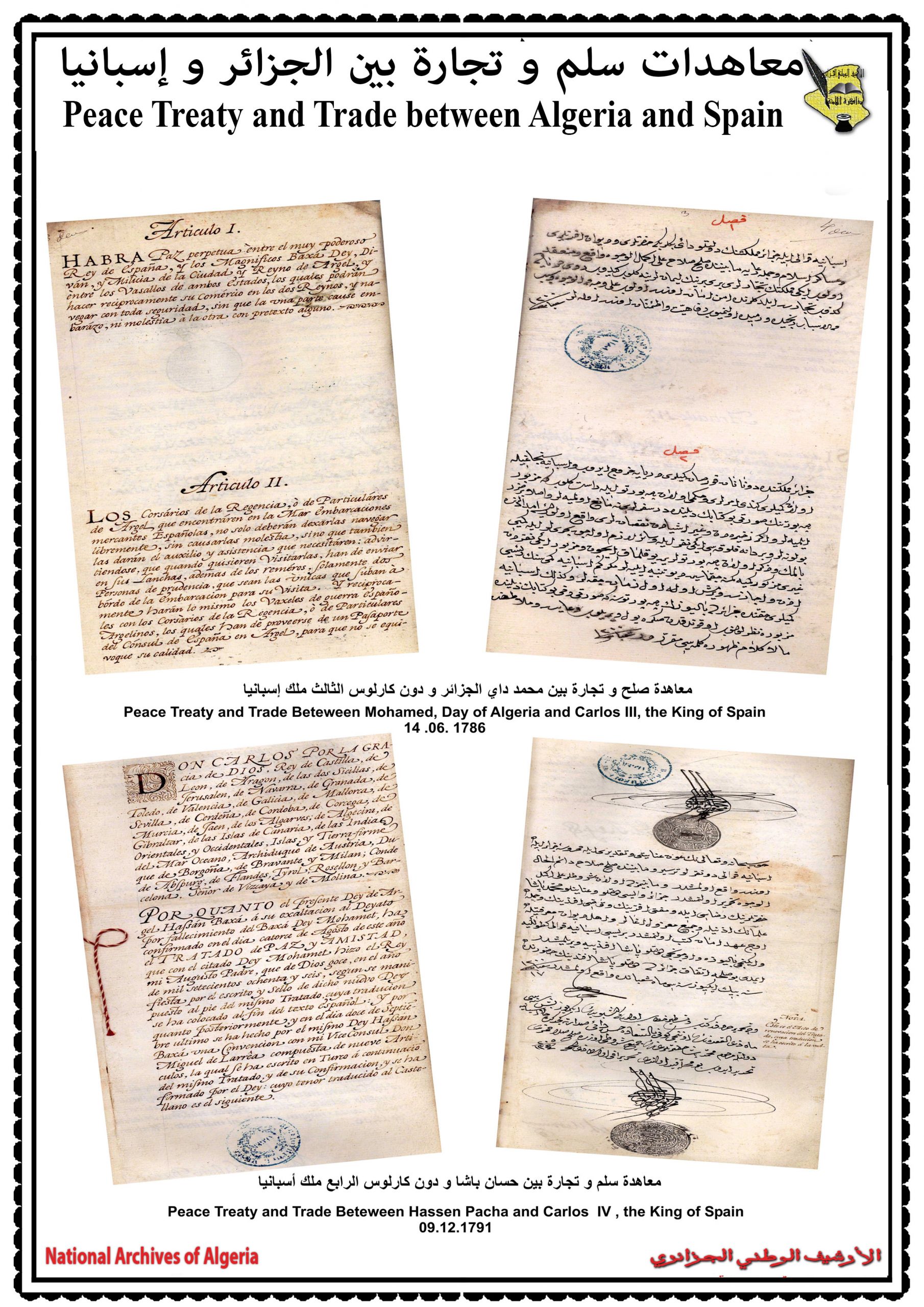
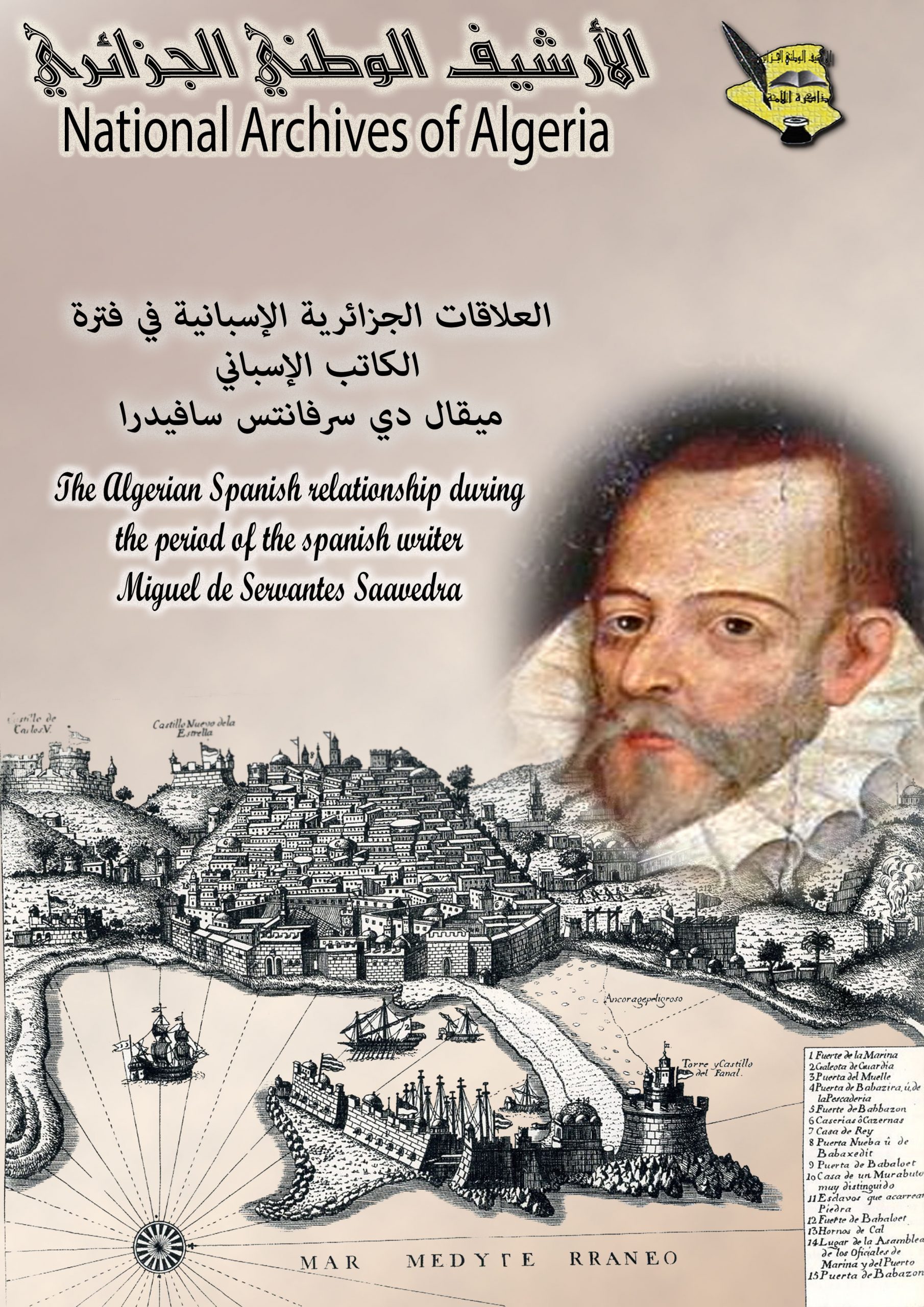
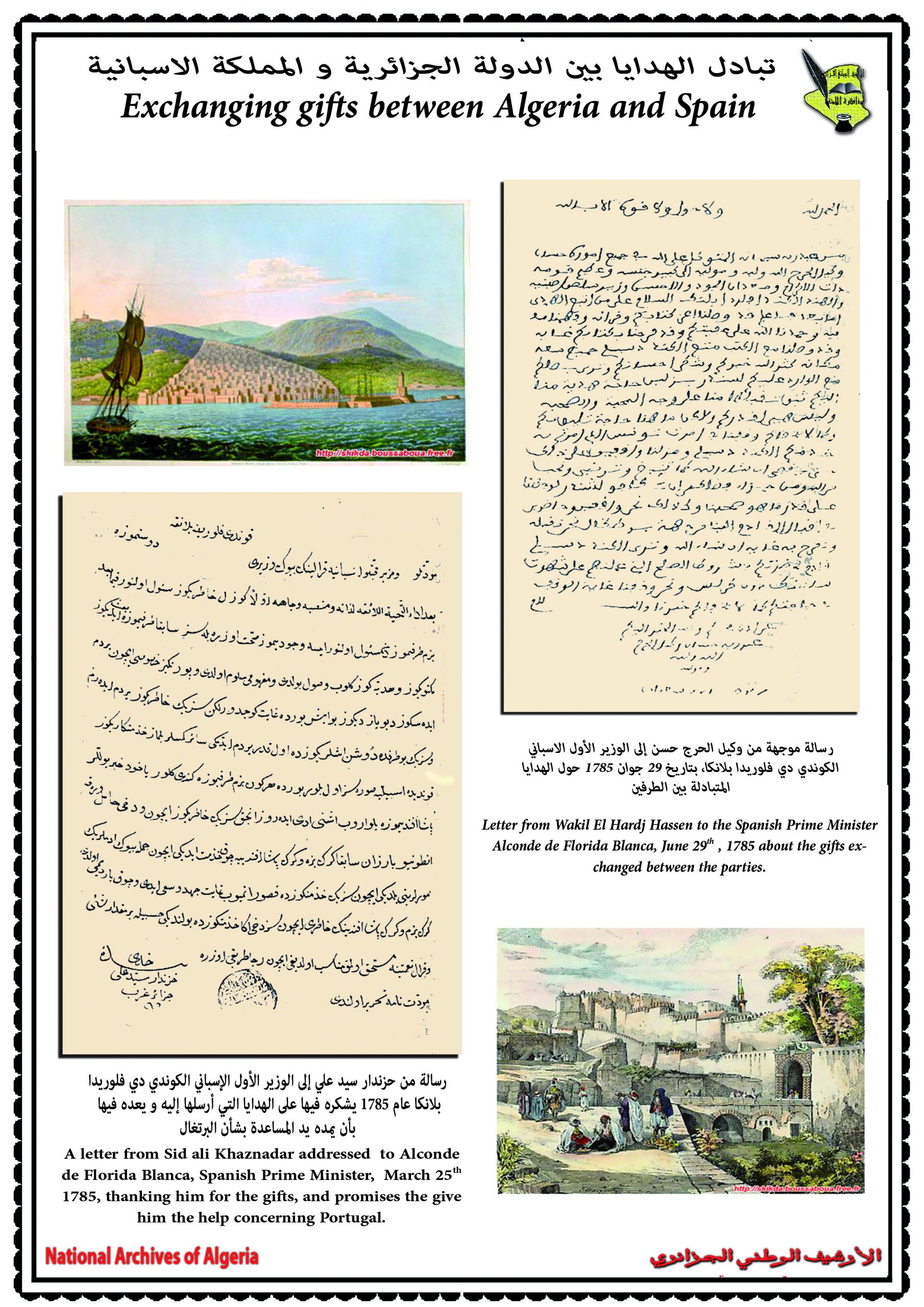
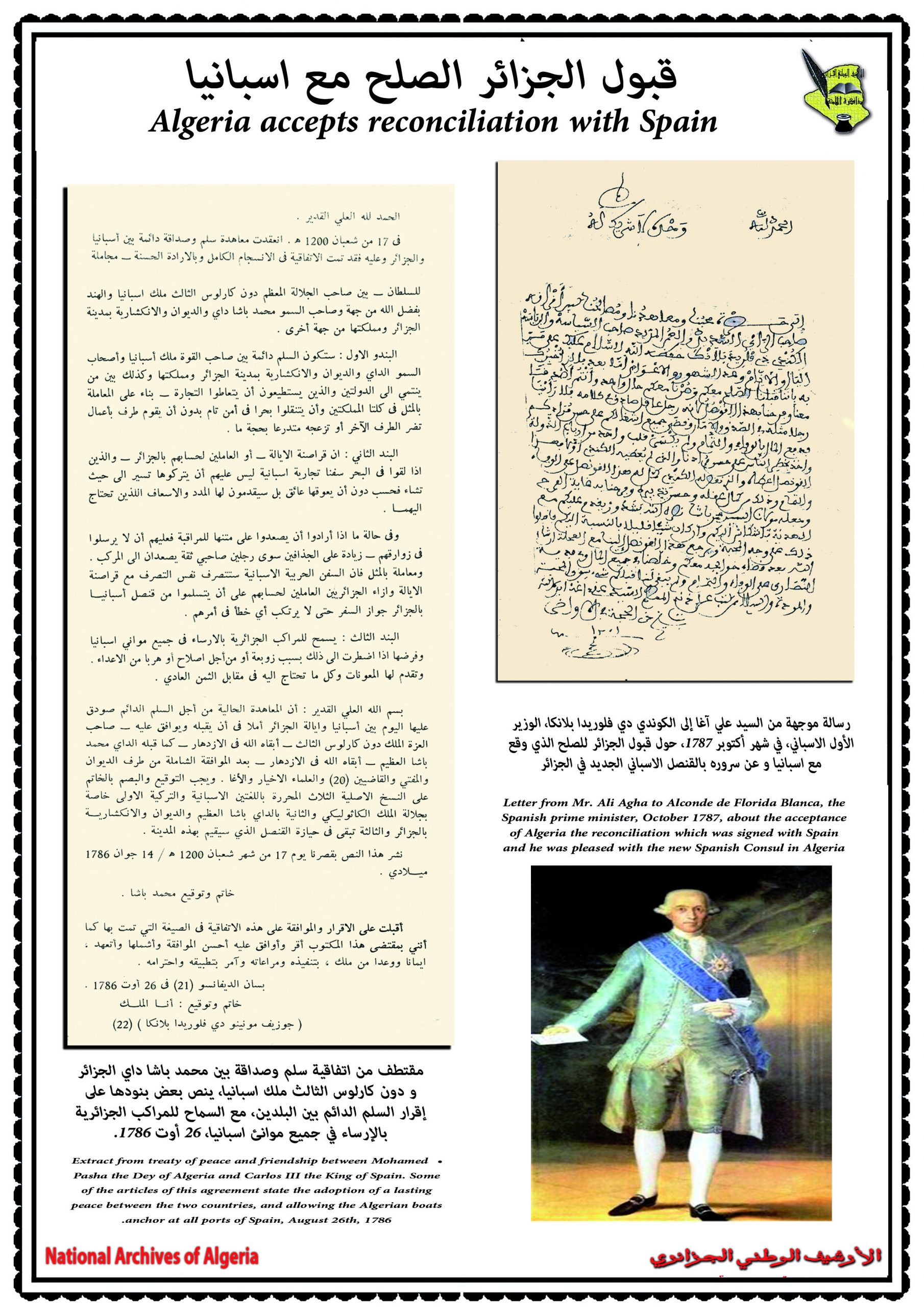
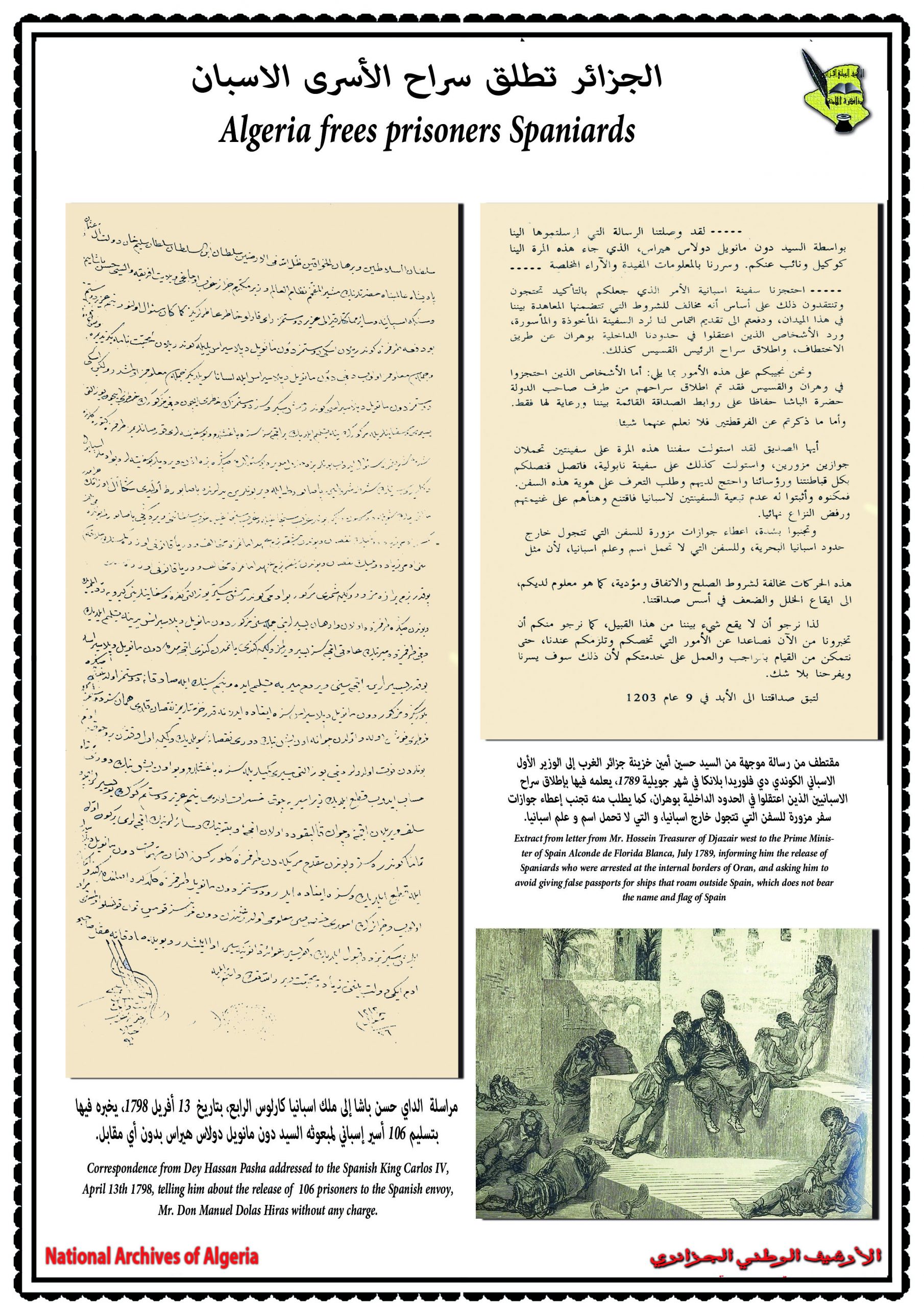
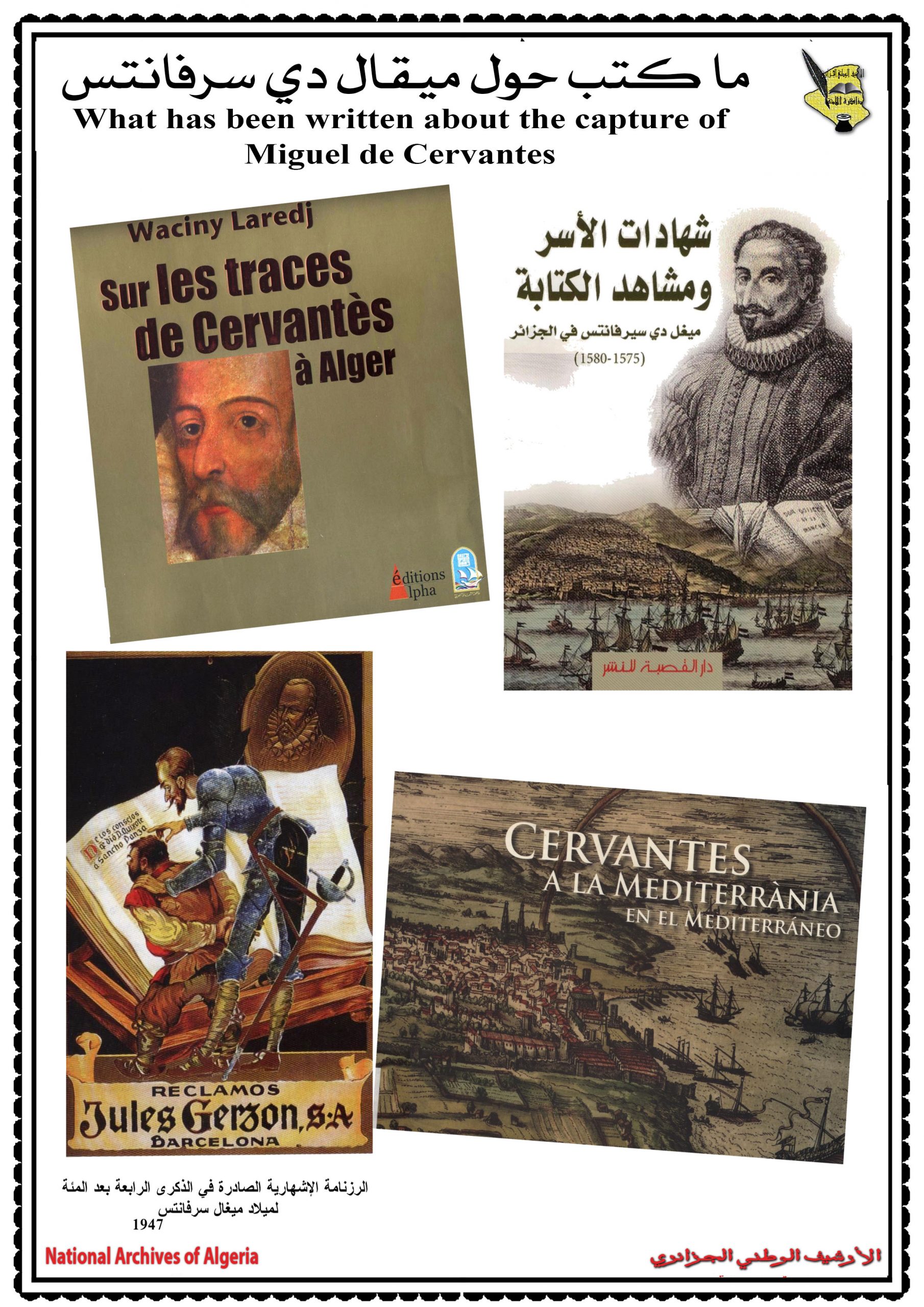
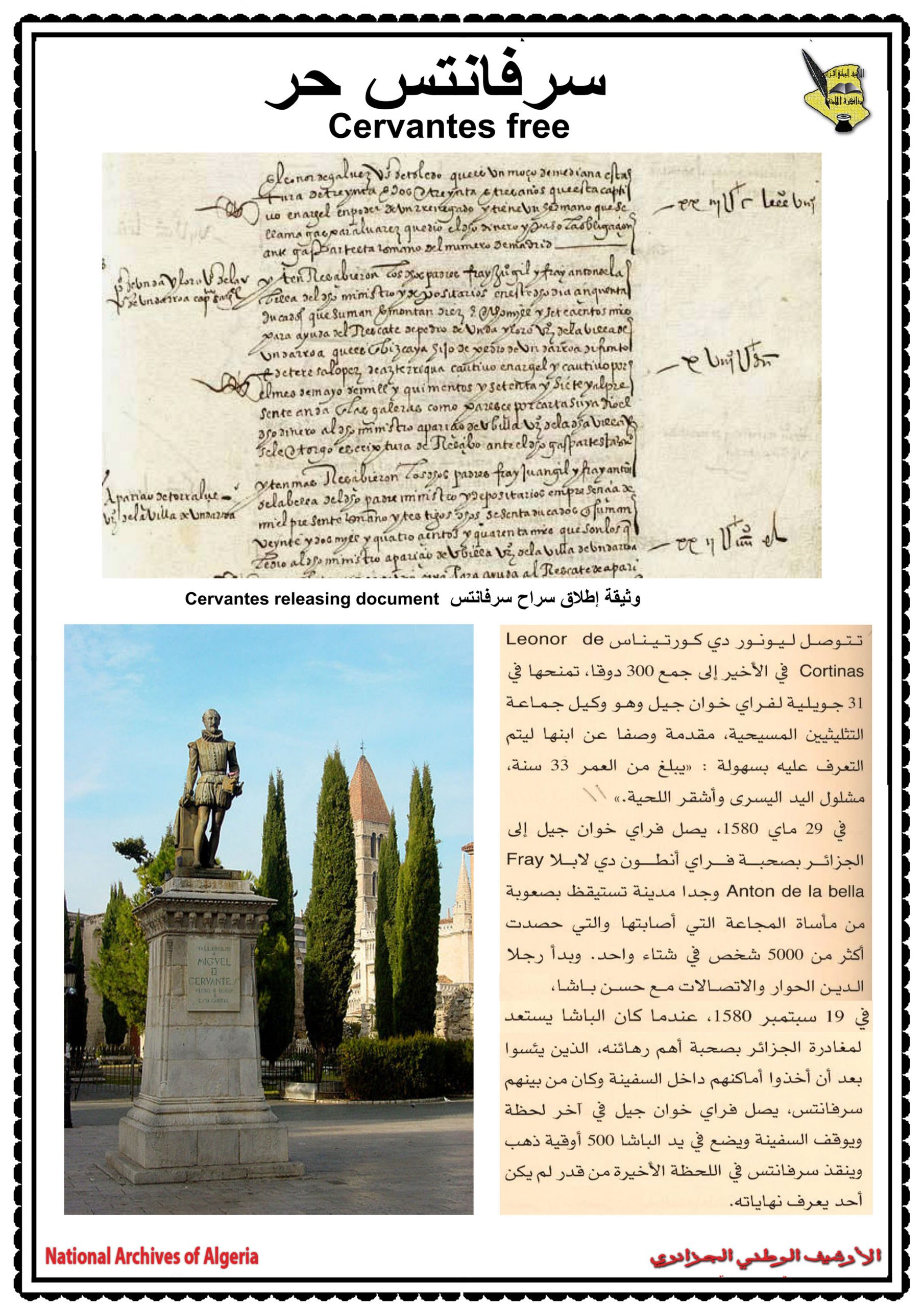
Algerian-Spanish Relationships at the Time of the Spanish writer Miguel de Cervantes Saavedra
Tlemcen 2014
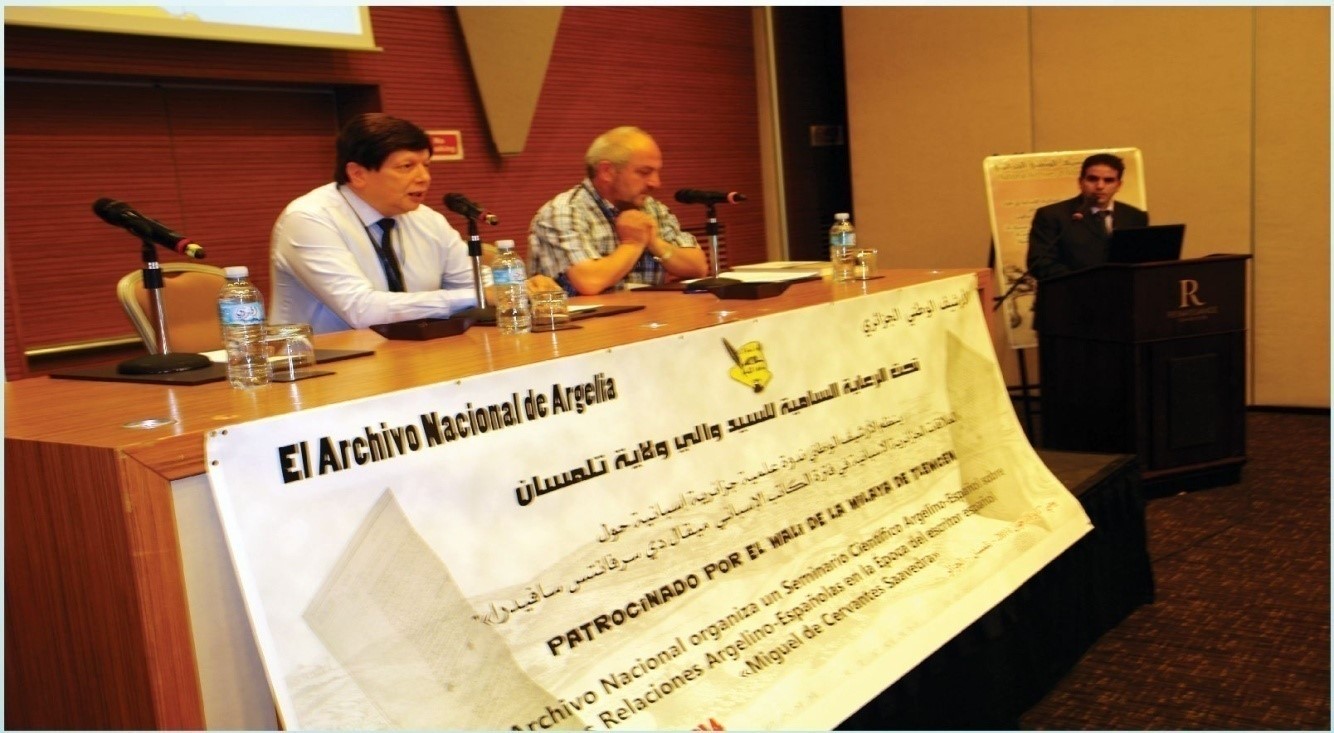
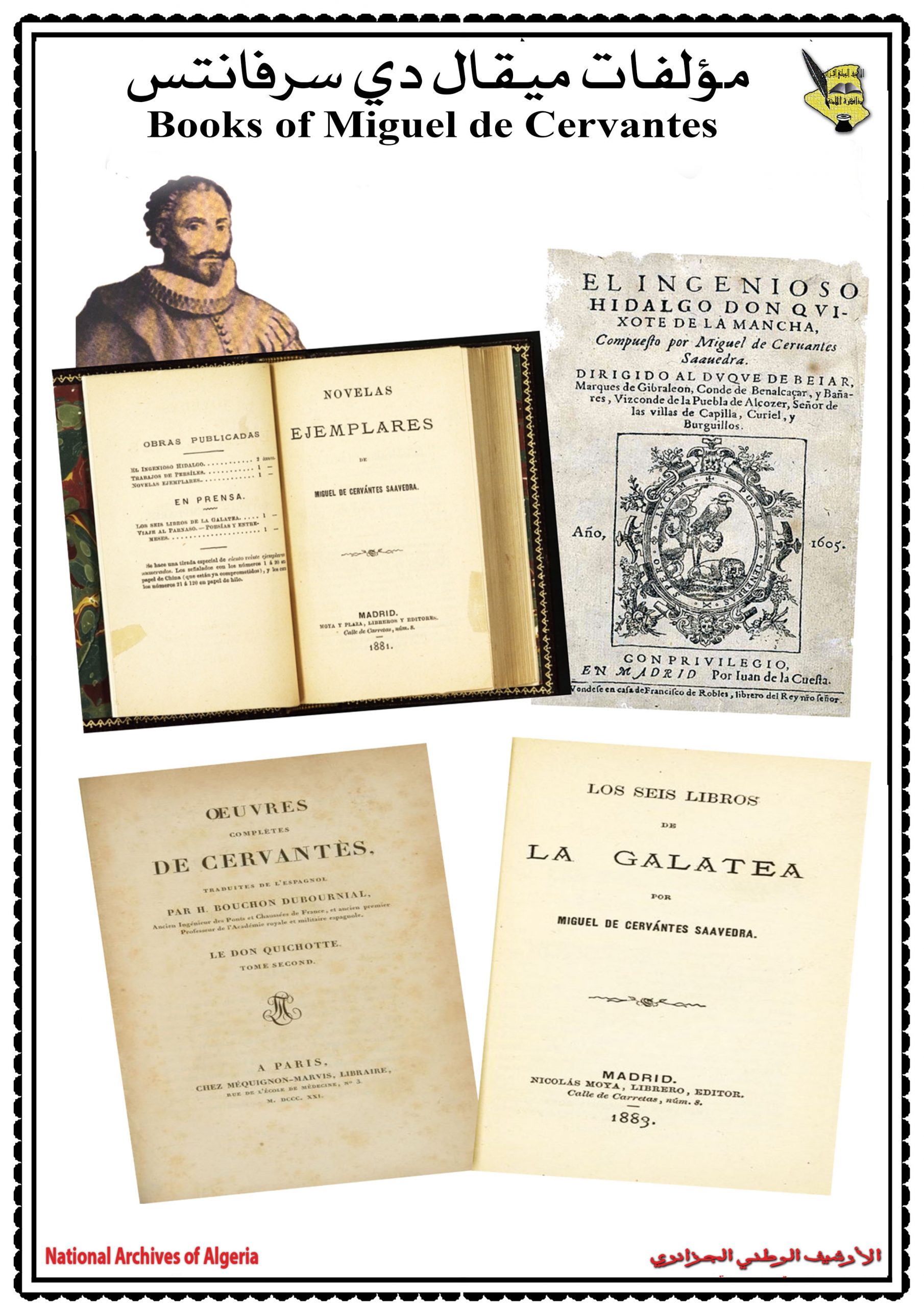
Tlemcen, the capital of the Zayyanids, hosted the activities of a scientific seminar on June 17 and 18, 2014, which highlighted Algerian-Spanish relationships at the time of the Spanish writer Miguel de Cervantes Saavedra. This seminar was attended by a group of academic historians and researchers from Spain, Portugal, Turkey, Tunisia and national universities.
The participants, who were more than sixteen speakers spread over five scientific sessions, addressed different topics including: “The Perception of the Dramatic Personality in the Book El Trado de Argel” by Miguel de Cervantes, “The Regency of Algiers, between the failure of Spanish expansion and Ottoman hegemony during the era of Cervantes”, “Algeria in the Archives of Portugal”, “The Algerian coast, a space for the hopes and frustrations of the Spanish at the time of Miguel de Cervantes”.
The National Archives participates in the Meeting of the Arab Regional Branch of the International Council on Archives.
ARBICA 2014
The Arab Regional Branch of the International Council on Archives (ARBICA) held, on May 27, 2014, its regular annual meeting in which an official delegation from the Algerian side participated, led by the Director General of the National Archives and president of ARBICA, Abdelmadjid Chikhi.
During the meeting, participants discussed a large number of problems and topics related to archives in order to find ways to preserve Arab heritage by raising awareness of the importance of documents in Arab countries and by discussing how to encourage archives centers to establish legal mechanisms allowing them to claim the return of Arab documents that have been usurped by foreign colonizing countries, and this is the point on which Mr. Abdelmadjid Chikhi insisted in his speech when he addressed the subject of “Deported Arab Archives”. It was also agreed that the ninth day of June would be “The International Archives Day” by decision of the International Council on Archives.
Seminar and exhibition entitled:
Spirit of Bandung, Promising Prospects
2010
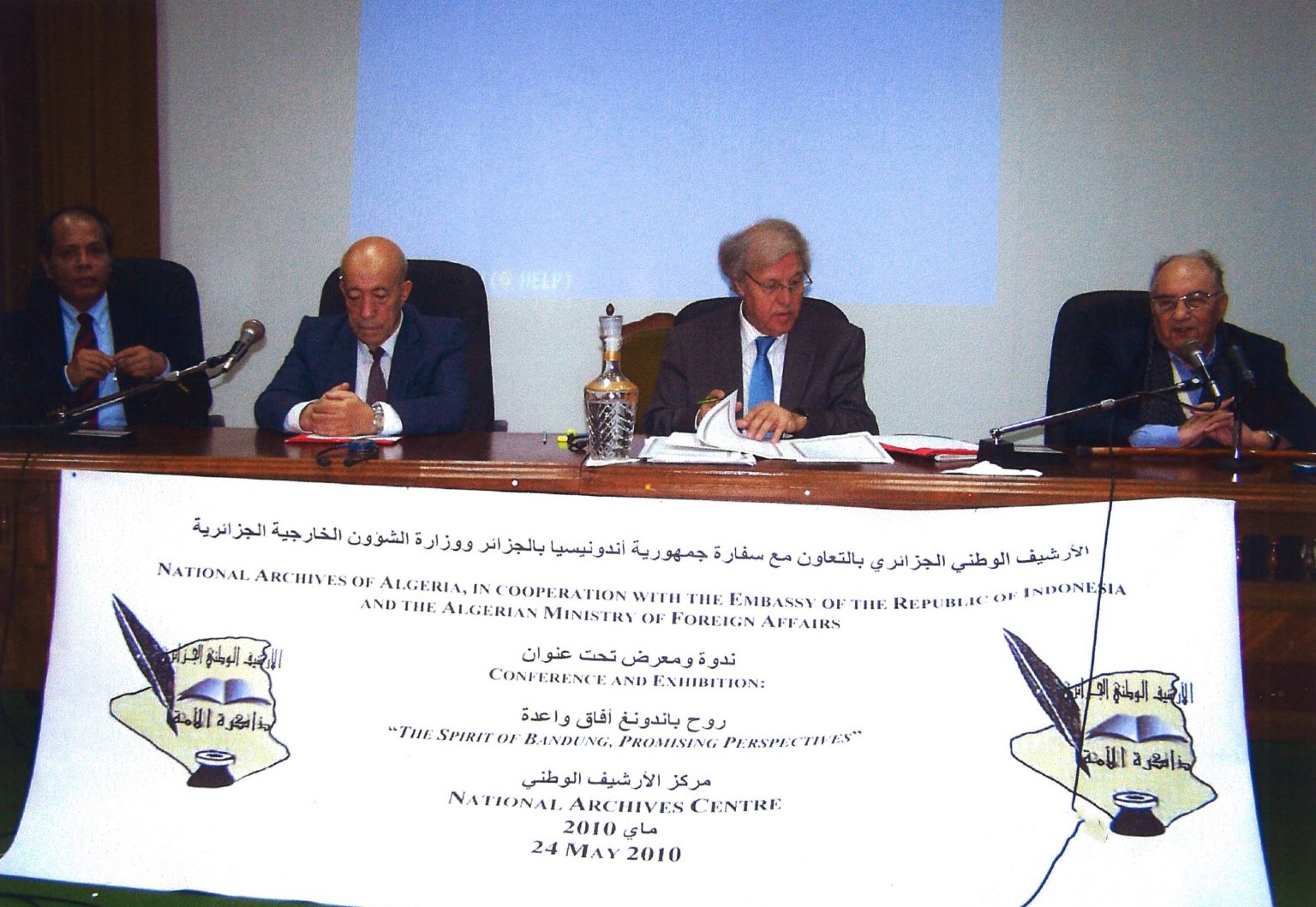
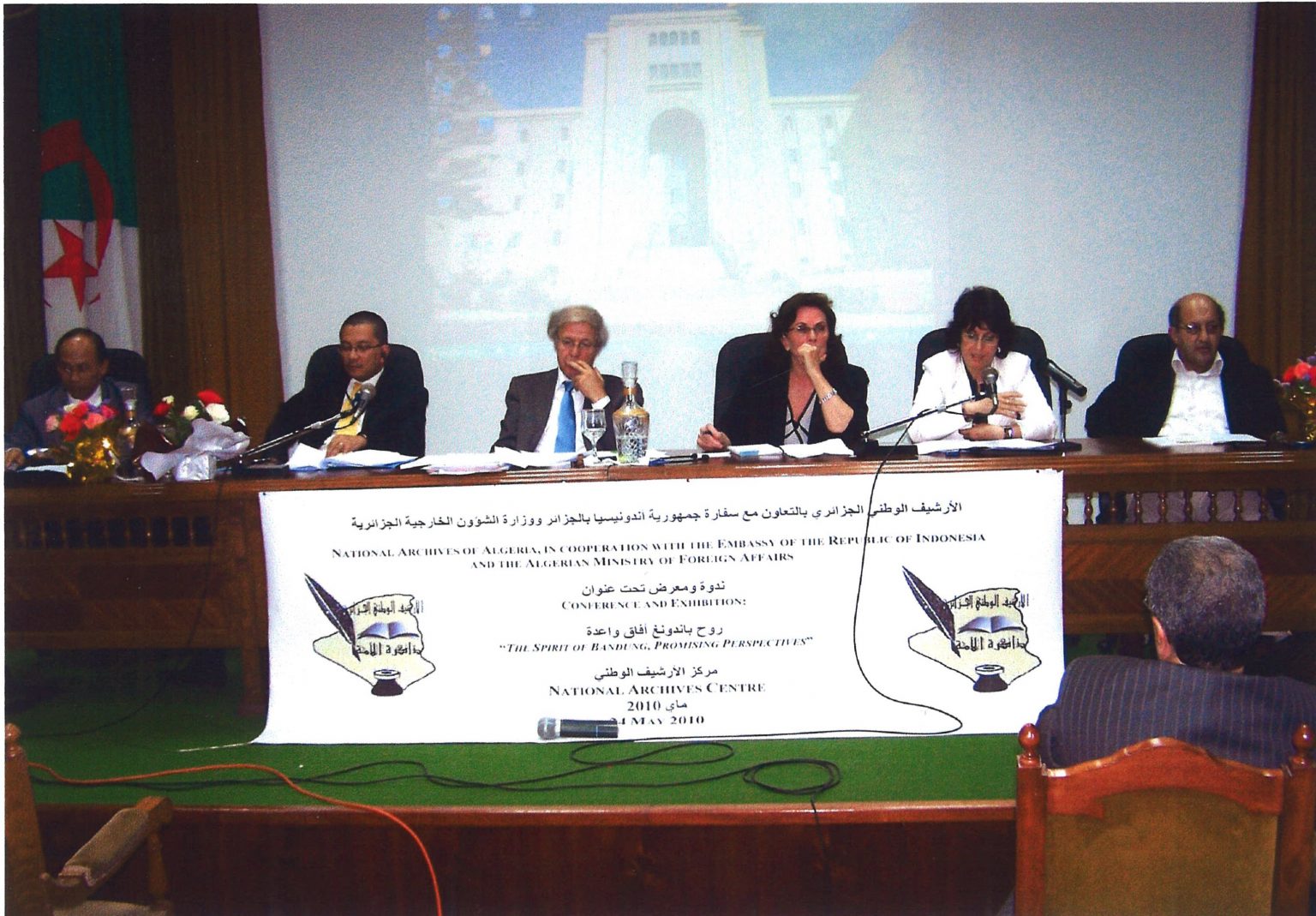
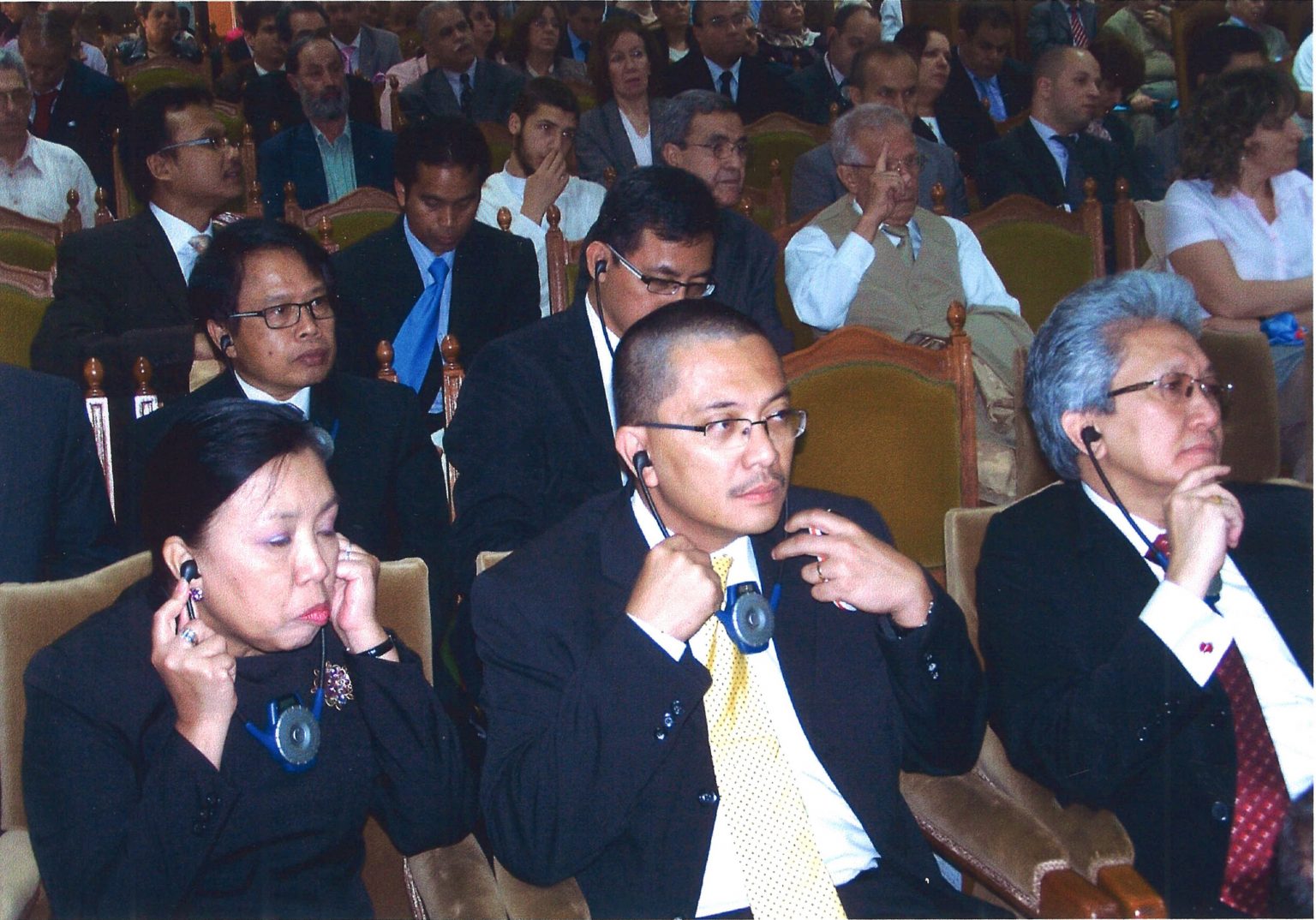
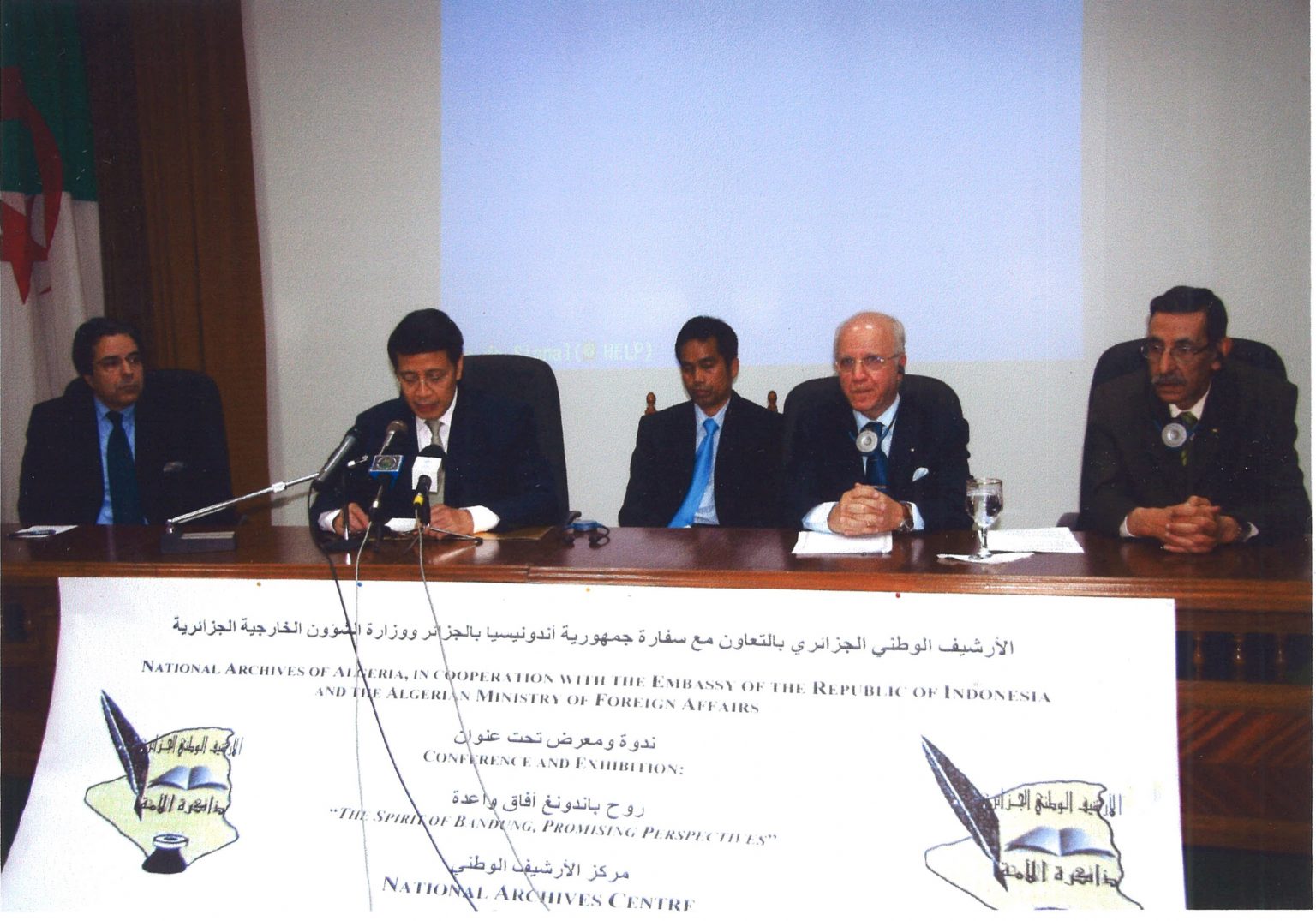
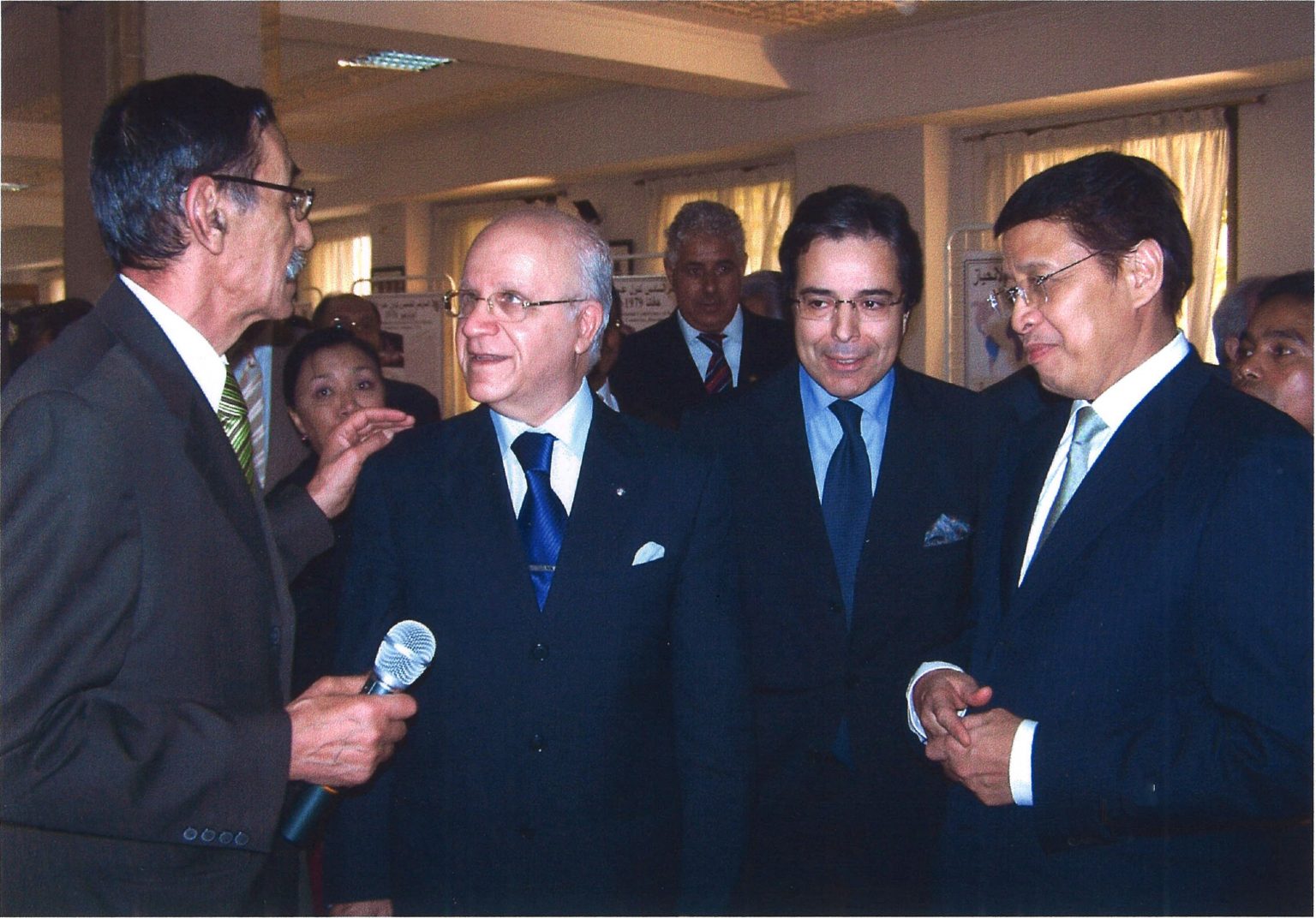
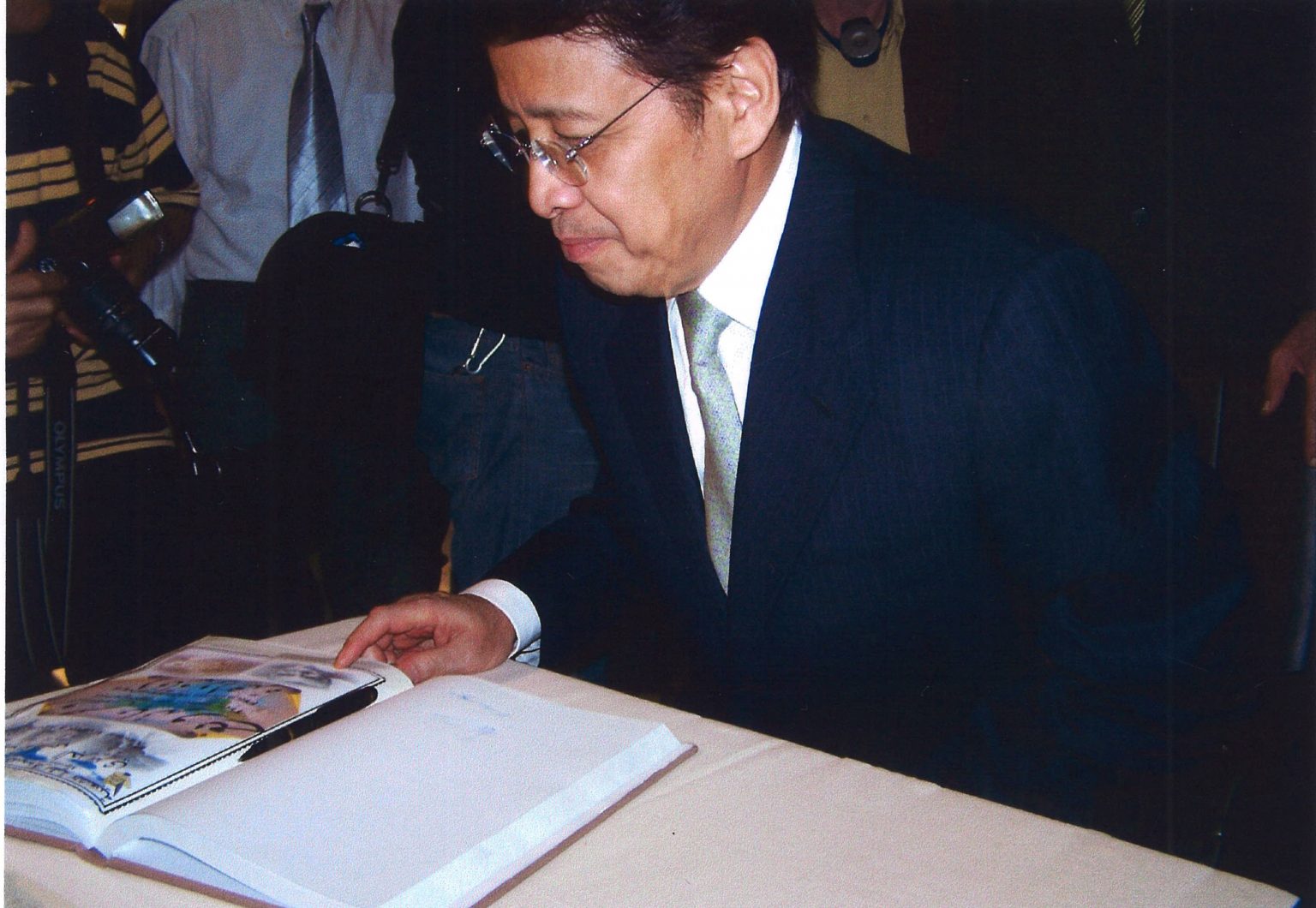
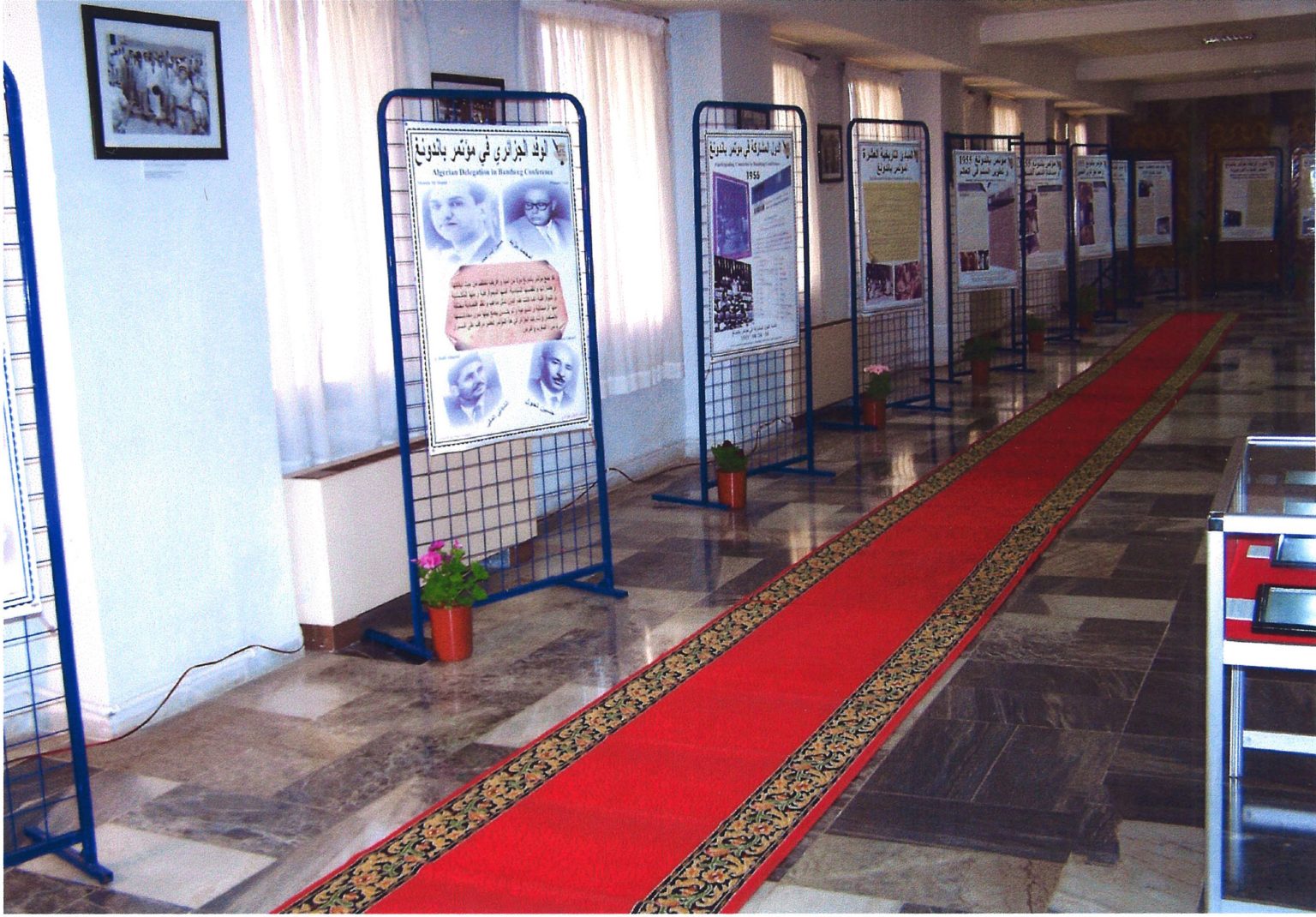
The National Archives Institution, in collaboration with the Indonesian Embassy and the Ministry of Foreign Affairs, organized on May 24, 2010, a seminar and photo exhibition entitled: “The Spirit of Bandung, Promising Prospects”.
The Director General of the National Archives, Mr. Abdelmadjid Chikhi, his Excellency the Minister of Foreign Affairs, Mr. Mourad Medelci and the Indonesian Ambassador to Algeria participated in the activities of this colloquium with interventions that were at the very heart of the subject.
An exhibition of photos and documents bearing the same title was also organized on the sideline of the event.
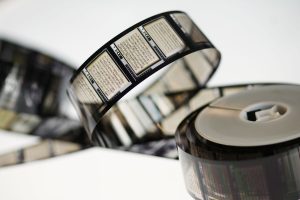
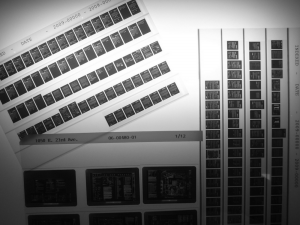
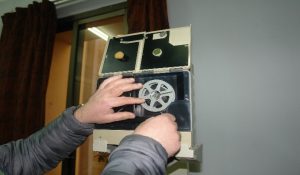
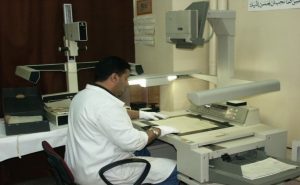
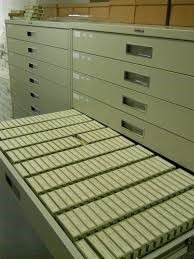
The National Archives Center adopted the technique of microfilming due to its advantages, effectiveness and success. Its aim is to limit the damage of documents and to communicate and restore the information as fast as possible. The service of microfilm and reprography, particularly the microfilm laboratory did many microfilming operations of archives fonds, such as Al Mahakim Al Shari’a fonds, civil status fonds, health fonds… and other important fonds which constitute the archives fonds preserved at the stacks of the National Archives Center.
Types of microforms
Microforms come in different sizes, shapes and characteristics, despite their differences in size and shape; they can be gathered under two categories:
The process of making microforms in the microfilm laboratory has many stages:
Shooting
It is done using a special shooting device of microfilm and must take place in a dark room with only the light of the device for a good quality of shooting.
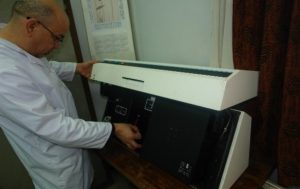
Developing
It is done in a special room using a special device called the developer in the presence of chemical solutions (developer and fixer) and under a special light because an inconvenient light would damage the films
Reading
The purpose of this operation is to ensure the quality of films and the success of shooting and developing using a reading device.
Duplicating
It is done after ensuring the quality of the original films; they will be reproduced into other duplicates with the same quality and as requested.
Preserving
It is the last stage during which the original films and their duplicates are preserved in special closets and envelopes.
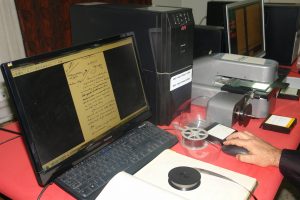
Currently, the laboratory works on the digitization of microfilms fonds using uscan. device which is considered one of the most modern devices purchased by the Center for the sake of digitization.
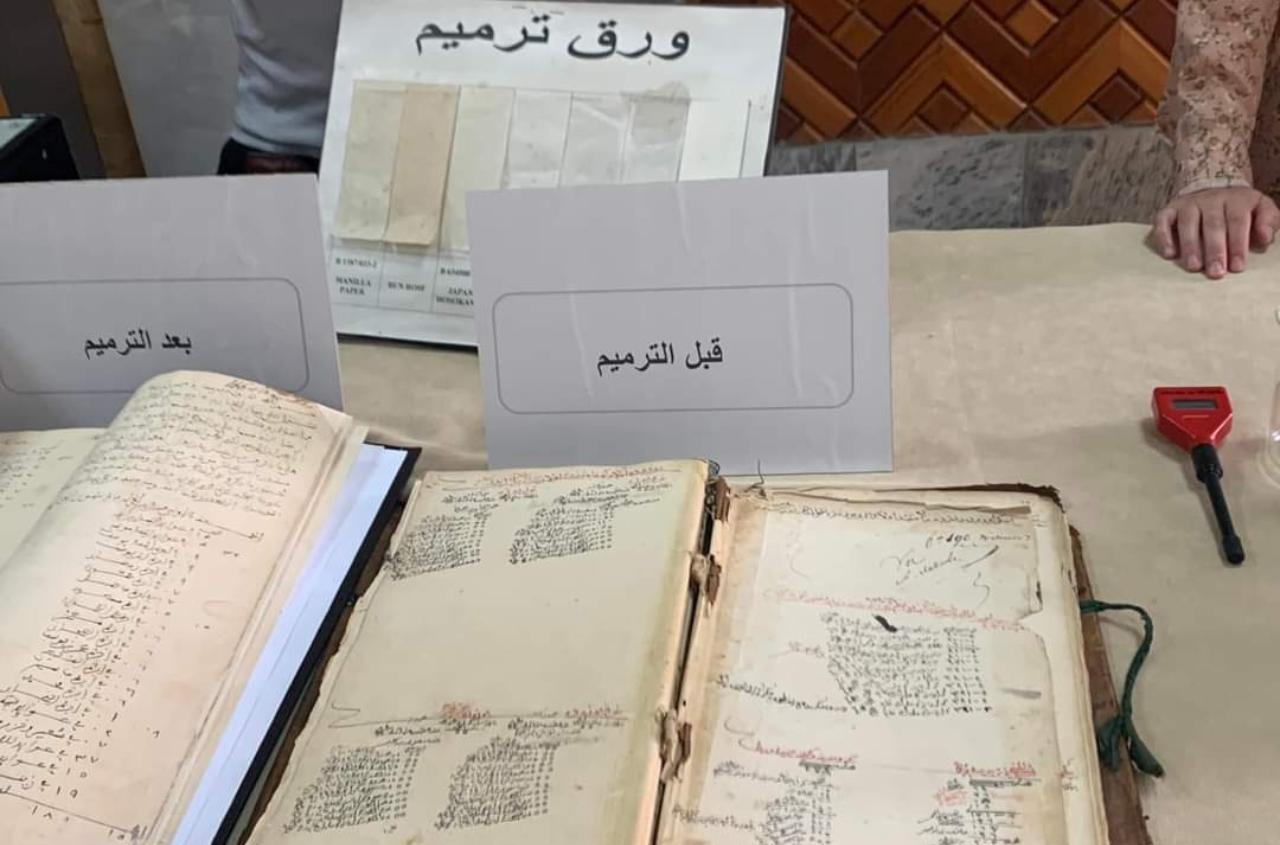
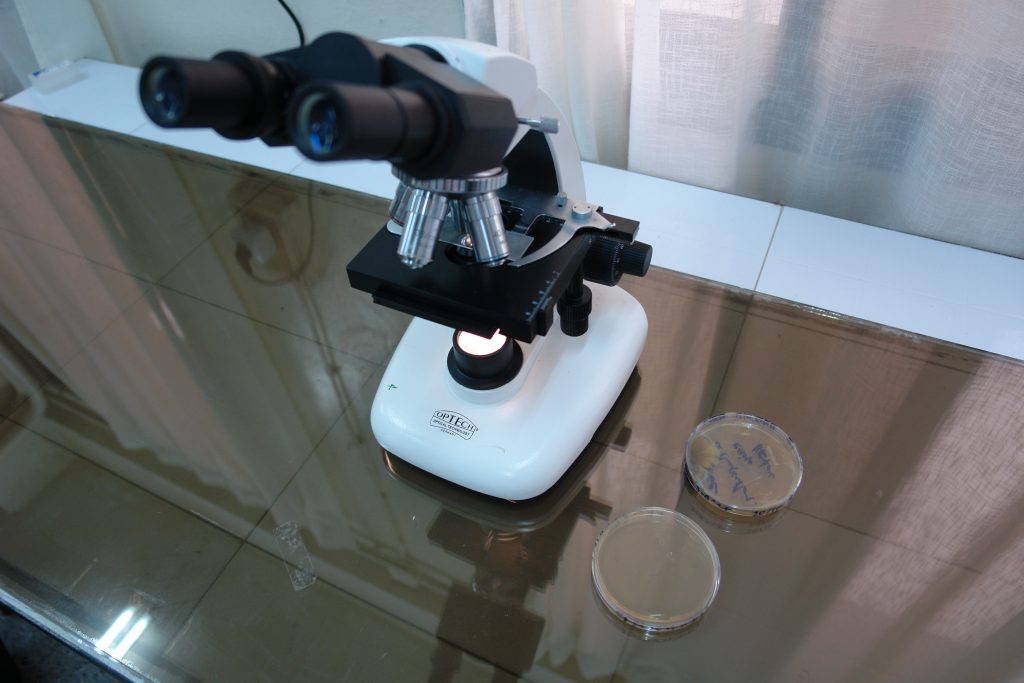
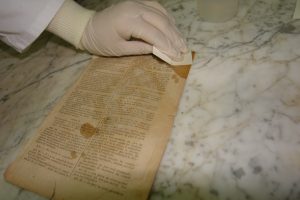
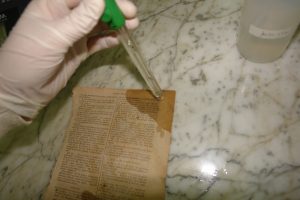
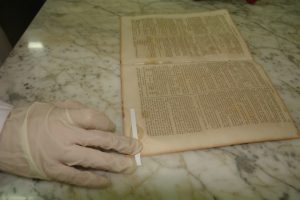
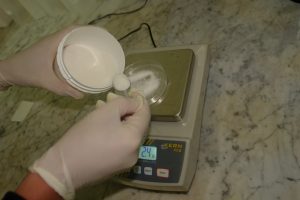
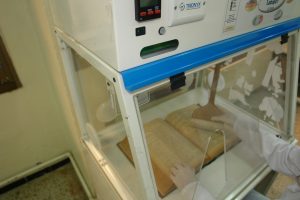
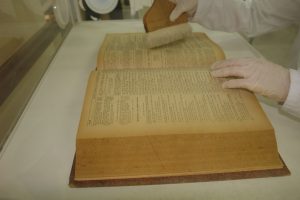
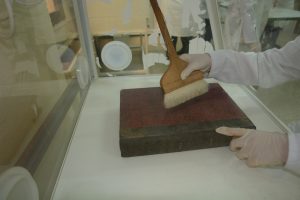
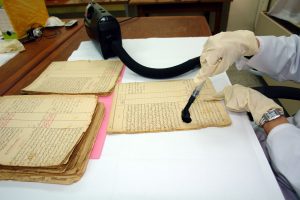
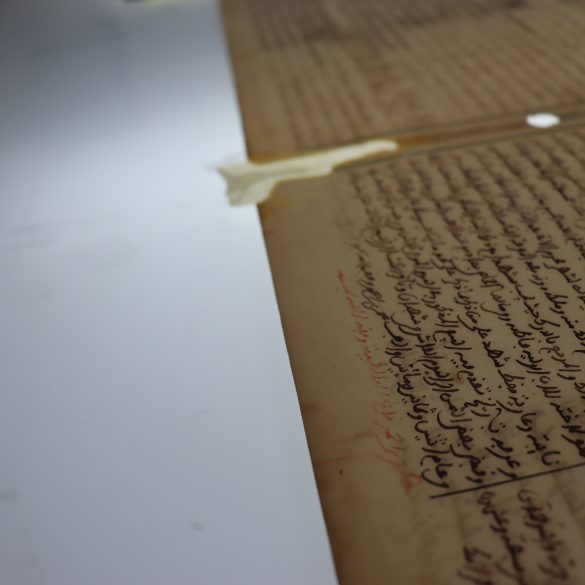
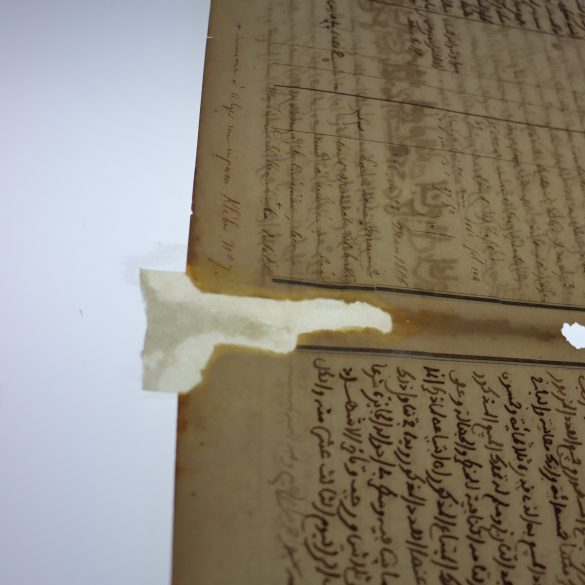
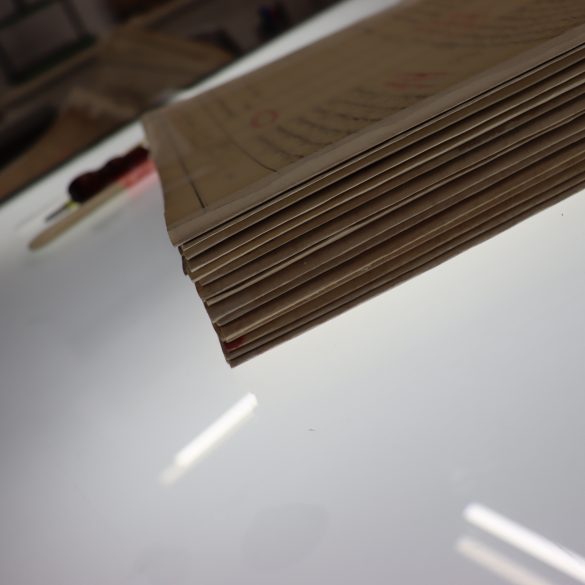
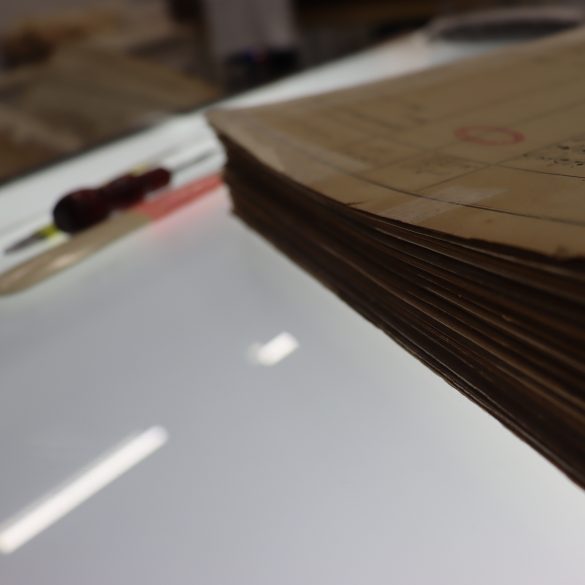
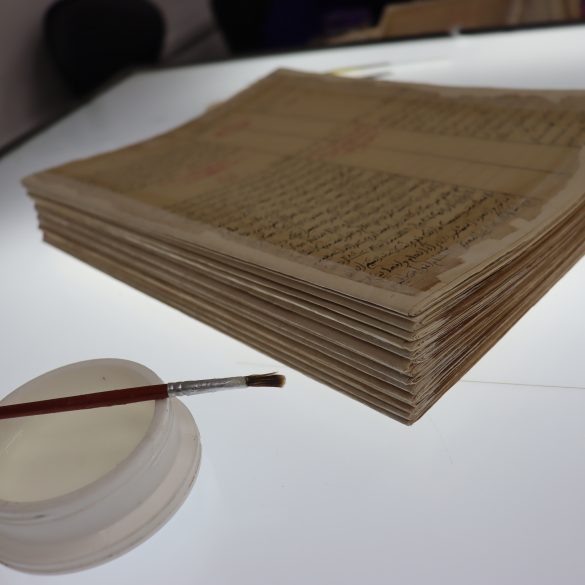
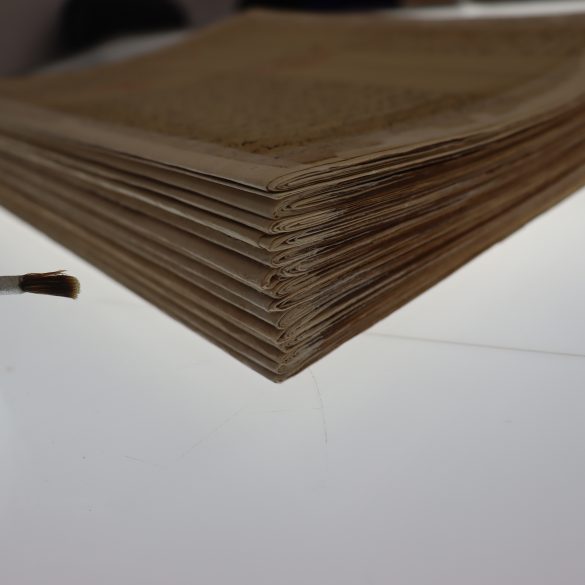
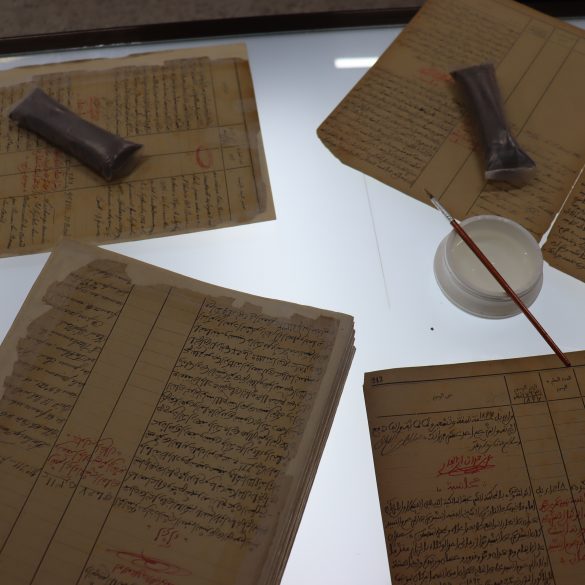
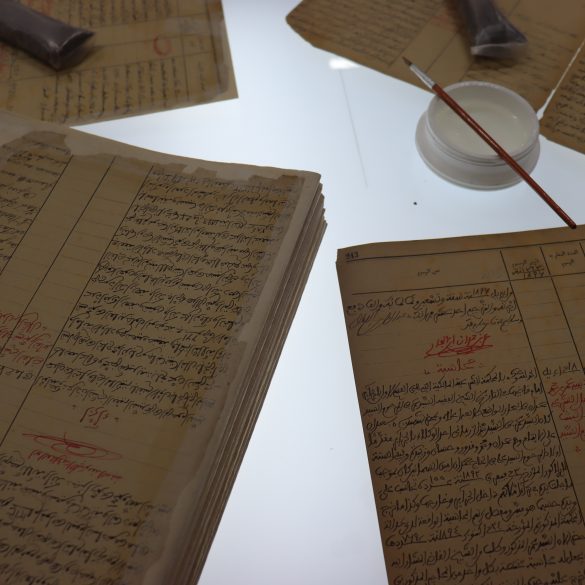
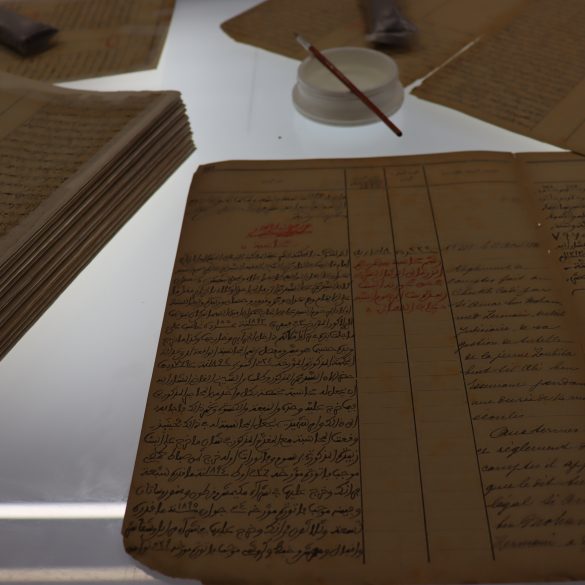
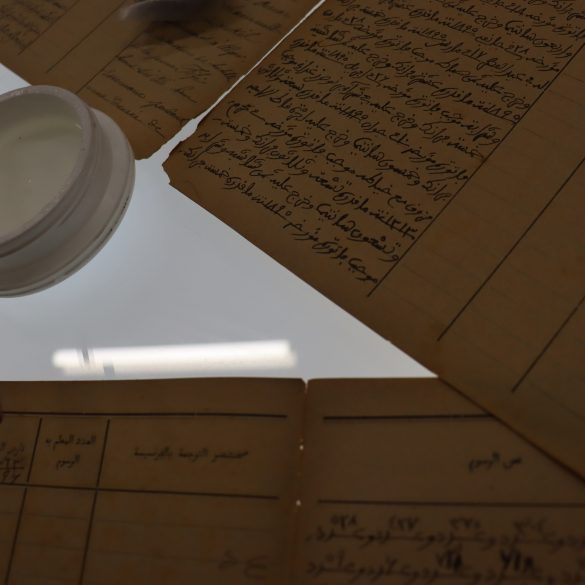
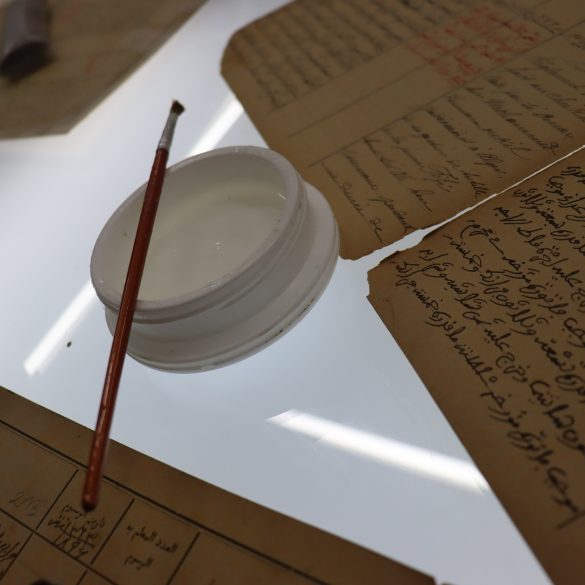
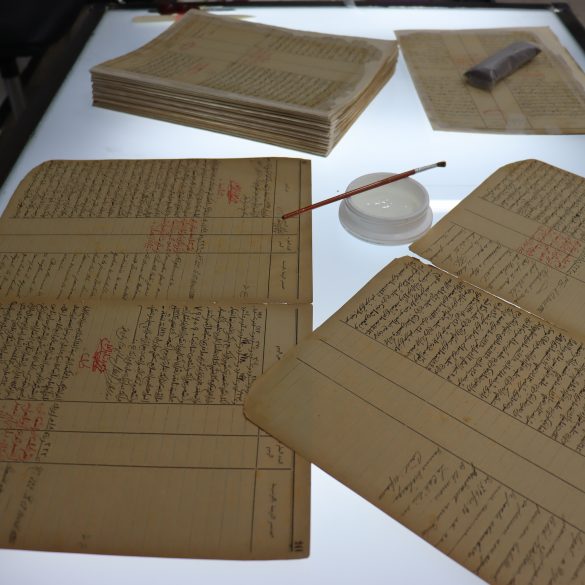
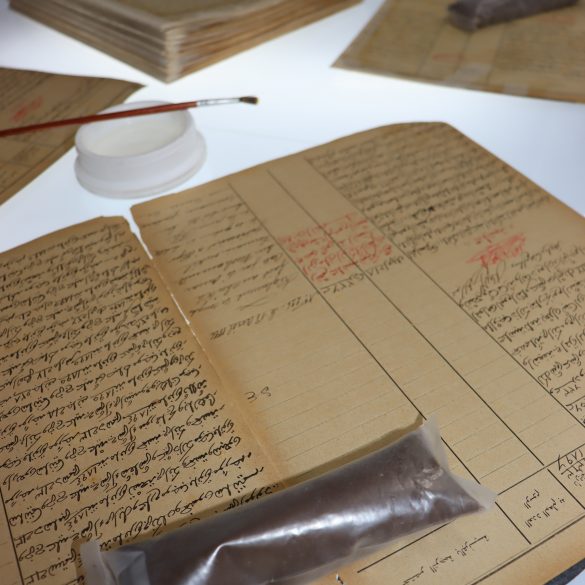
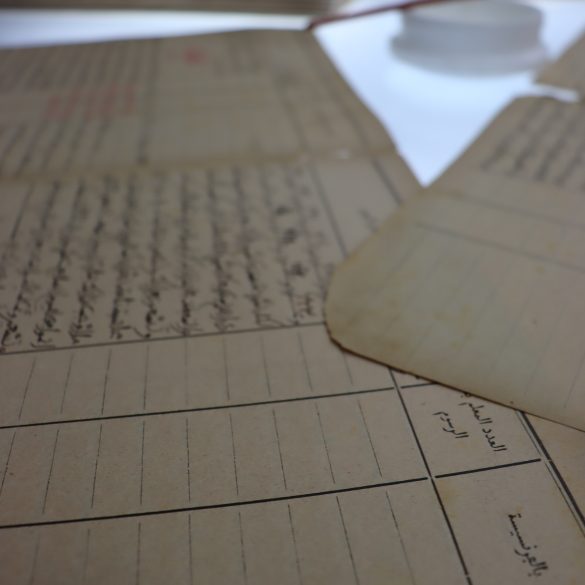
The Service of Restoration and Disinfection intervenes in the framework of curative storage of Archival documents through their restoration and binding at the levels of restoration laboratory and binding workshop, following the scientific and practical stages for saving damaged archives fonds, which are :
Visual diagnosis:
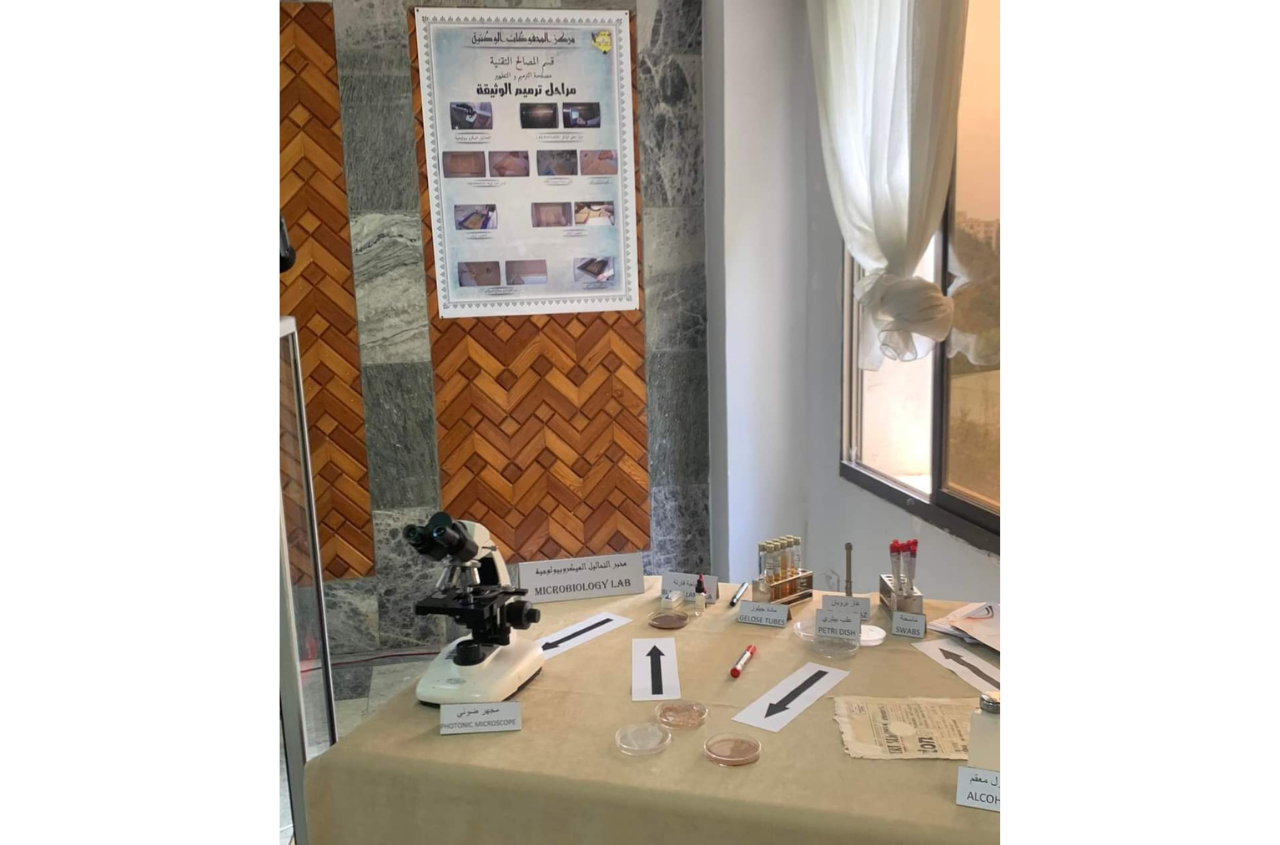
It consists of visualizing the visible damage on all aspects of the document; its shape and physical state, then noting them as preliminary observations in order to begin the analysis stages. Microbiological diagnosis:
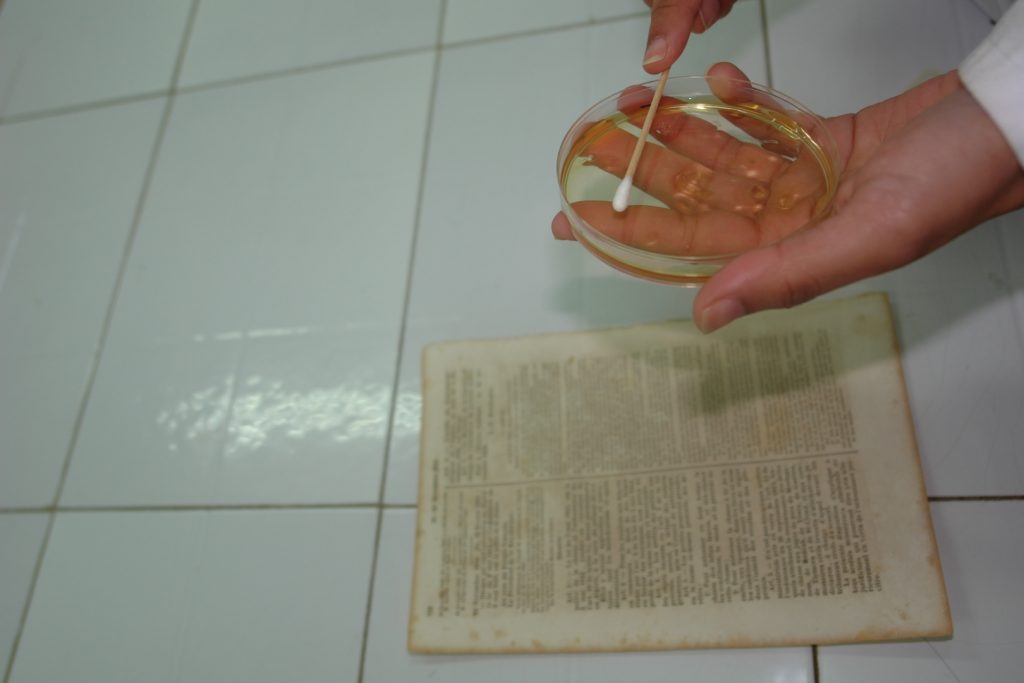
This step is considered as the starting point for the treatment of the apparent traces of the document and the state it has reached as a result of several biological factors (bacteria, fungi), it consists of:
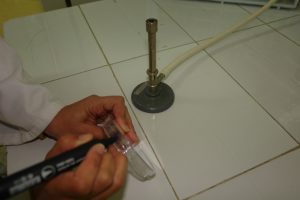
sterilizing the analysis area using a Bunsen burner to eliminate the bacteria present in the air;
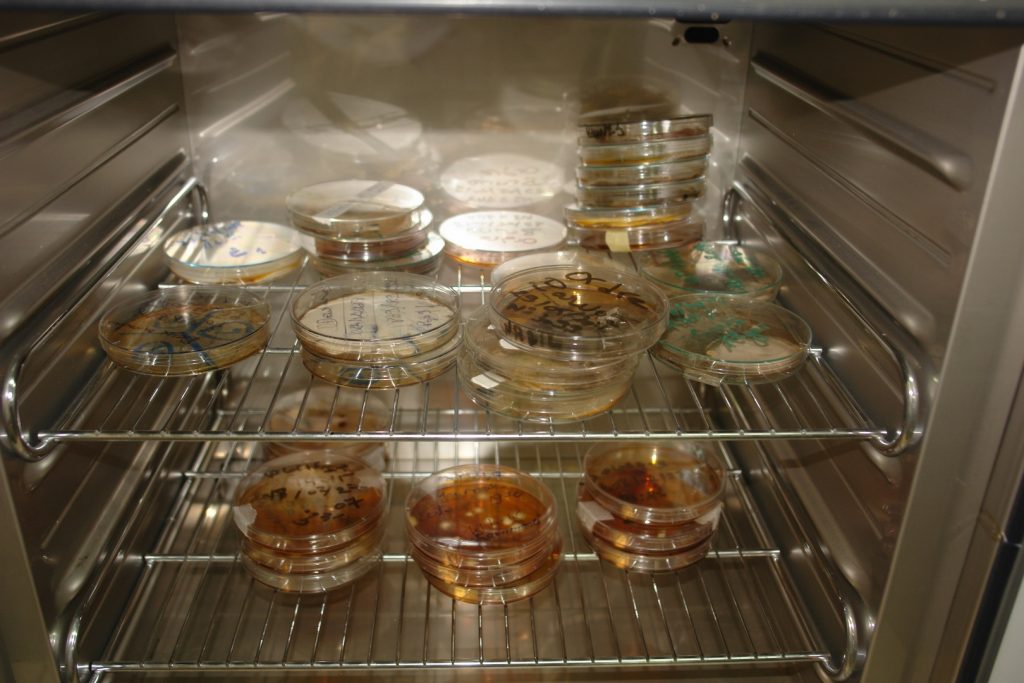
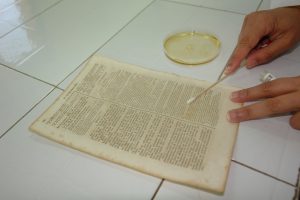
preparing the culture medium in a Petri dish with taking into account the flexibility of moving the sample from the surface of the document towards the culture medium;
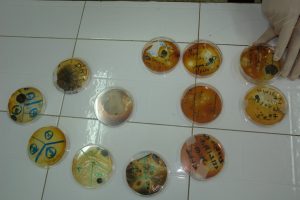
taking samples: a medium suitable for the growth of bacteria and fungi is prepared in the incubator for a period of 3 to 7 days maximum;
taking a microscopic reading and recording the results;
after reading and examination, proper sterilization is determined based on the type and degree of infection of the document with bacteria and fungi.
Sterilization
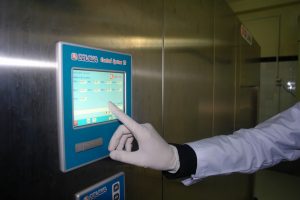
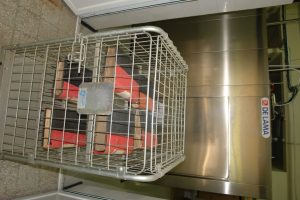
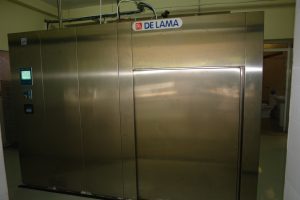
Sterilization can be partial or complete, and there are two types of it: sterilization by dry cooling, which consists of lowering the temperature to -30 C°, and chemical sterilization, using Ethylene Oxide gas in a special hermetically sealed machine which vaporizes the chemical so that it is absorbed by the archival document inside it.
Microbiological analyses are carried out again to ensure the effectiveness of sterilization in eliminating bacteria and fungi.
Chemical Diagnosis
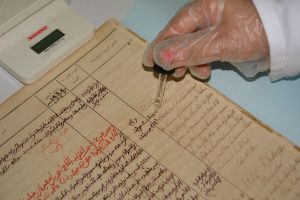
Ink solubility test in water and alcohol: this operation determines the method to be used for restoration; as for ink affected by water, it is restored manually with Japanese paper, while fixed ink can be restored mechanically with paper fibers.
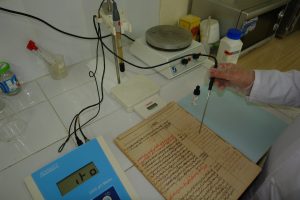
Measure the acidity level using a pH meter or reagent paper (the acidity level should be moderate).
Physico-chemical treatment
Acidity treatment: if the pH is high, the treatment becomes necessary. For fixed ink, acidity is treated using the following solutions:
– Calcium hydroxide. – Magnesium hydroxide
Reinforcement of worn sheets with special glues, such as Methylcellulose or Japanese transparent paper;
Preparation of the coloring medium for the Japanese paper used in the restoration operation with respecting the principle of material compatibility using natural materials, such as coffee and red tea.
Cleaning
After its sterilization, the document is subjected to cleaning using tools and products applied to the surface. There are two types of cleaning:
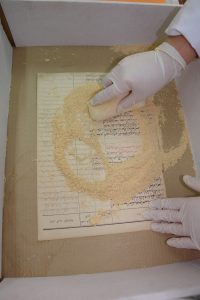
Dry cleaning
This is done using an eraser, a scalpel and a soft brush, to remove insect plankton and dust.
Wet cleaning
It is done using distilled water or pure alcohol, complying with the rule of ink dissolution.
Cleaning is a chemical and physical reaction that can remove dirt. It requires scientific expertise and has an important role in extending the life of the document.
The principles of restoration
Restoration is subject to several main principles, the most important of which is strict respect of the document so that it is not further damaged or falsified. The restorer must therefore respect and focus on the following principles:
Preserving the originality of the document at all stages of the work.
Respecting the priority of restoration.
Not making changes to the text, nor corrupting it or adding elements to it, because the aim of the restoration is not to decorate or modify, but rather to preserve and strengthen the document and eliminate the causes and problems that led them to the state in which it was found.
The restorer’s intervention must be clear and reversible.
Trying to use as few chemicals as possible.
There are two types of restoration:
Manual restoration:
Restoration is essentially a special manual operation linked to the power of control, the skill of work and the aesthetics of treating historical materials in general and manuscripts in particular, using special tools. Despite scientific and technical development, it is still known that manual restoration is the most expensive; it is a rare métier in the world and which aims to restore the soul of precious manuscripts and bring them back to their original form, the same goes for valuable publications and documents.
Mechanical restoration:
Mechanical restoration is practiced on a limited basis for manuscripts. It is done using a special device. The idea of the device used is based on the use of cellulose fibers dissolved in water, calculating their weight and surface area, then sucking this mixture into the holes and missing areas, to form areas of paper. Next comes the drying stage for a specific period of time.
Binding
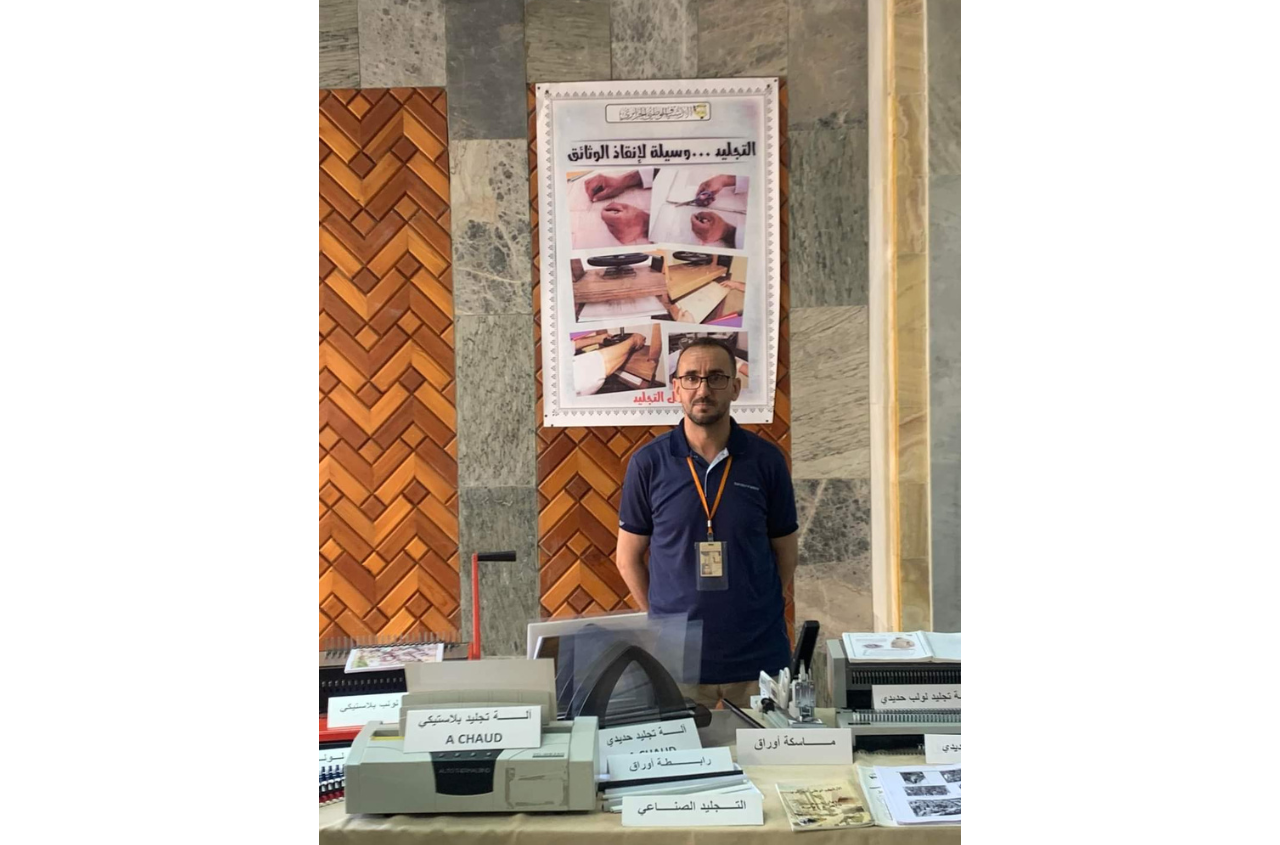
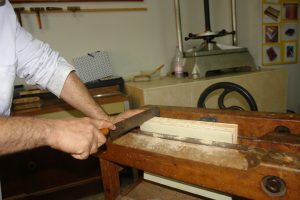
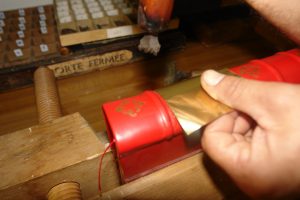
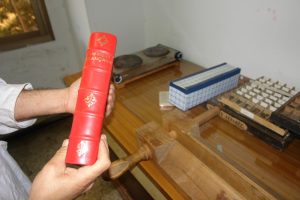
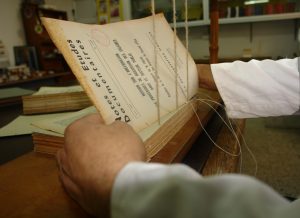
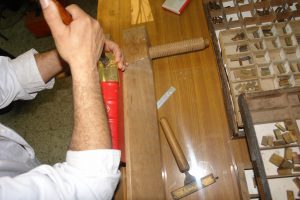
The operation of binding begins once the restoration of the document is completed. The sheets are collected in the form of notebooks or binders and are sewn together to form the mass of the manuscript. The binders or manuscripts are glued with glue then they are lined, bound with a cover and interlaced on the heel side.
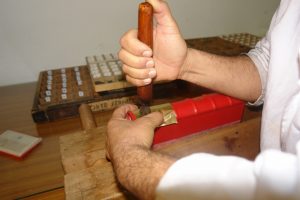
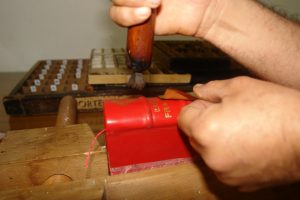
The binding process goes through several stages that are summarized as follows: perforating the document first then comes the sewing stage, then the manufacture of the cover which is made of cardboard and leather and finally, the essential step of gathering the document and placing it inside the cover and preparing it for the process of gilding and writing the title and what follows, this step is not only necessary, it is an aesthetic luxury that reflects the authenticity of the document.
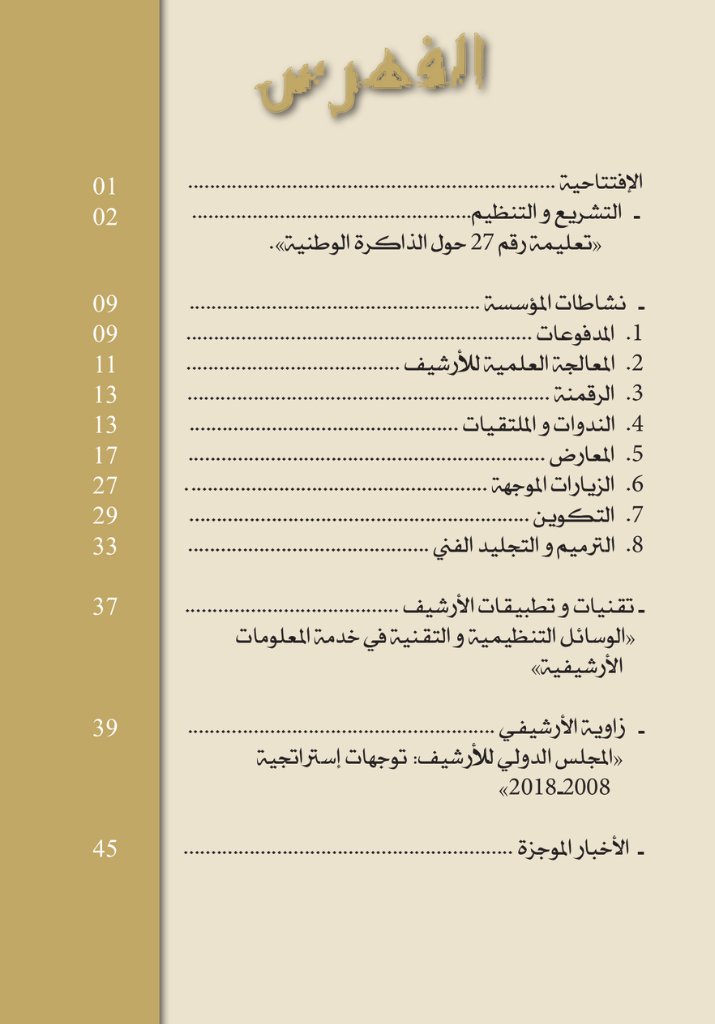
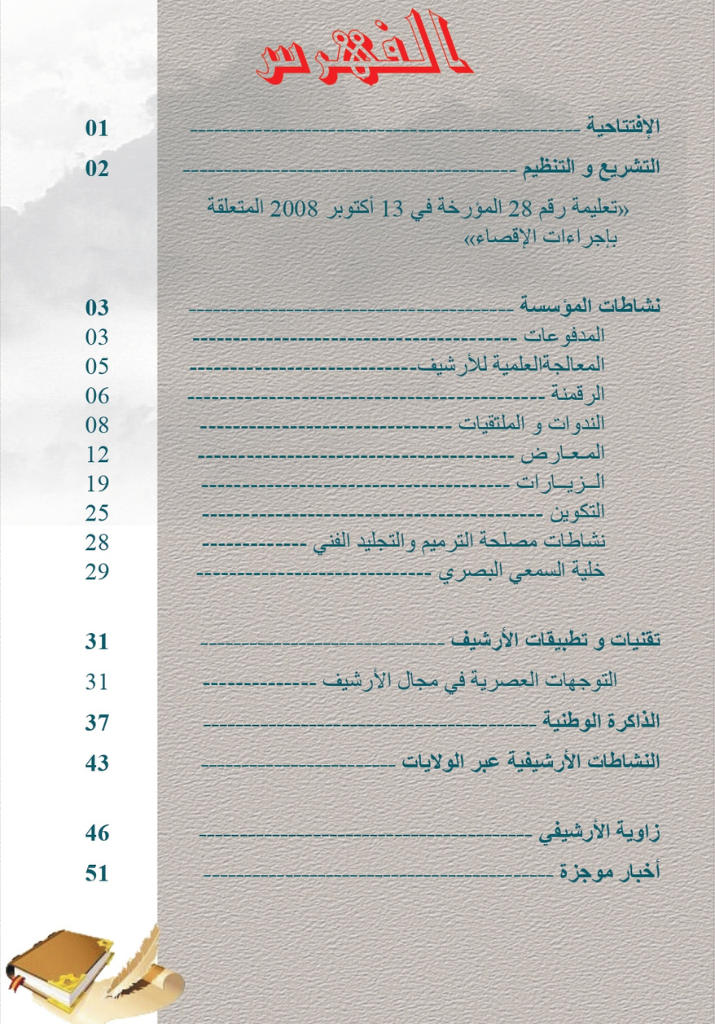
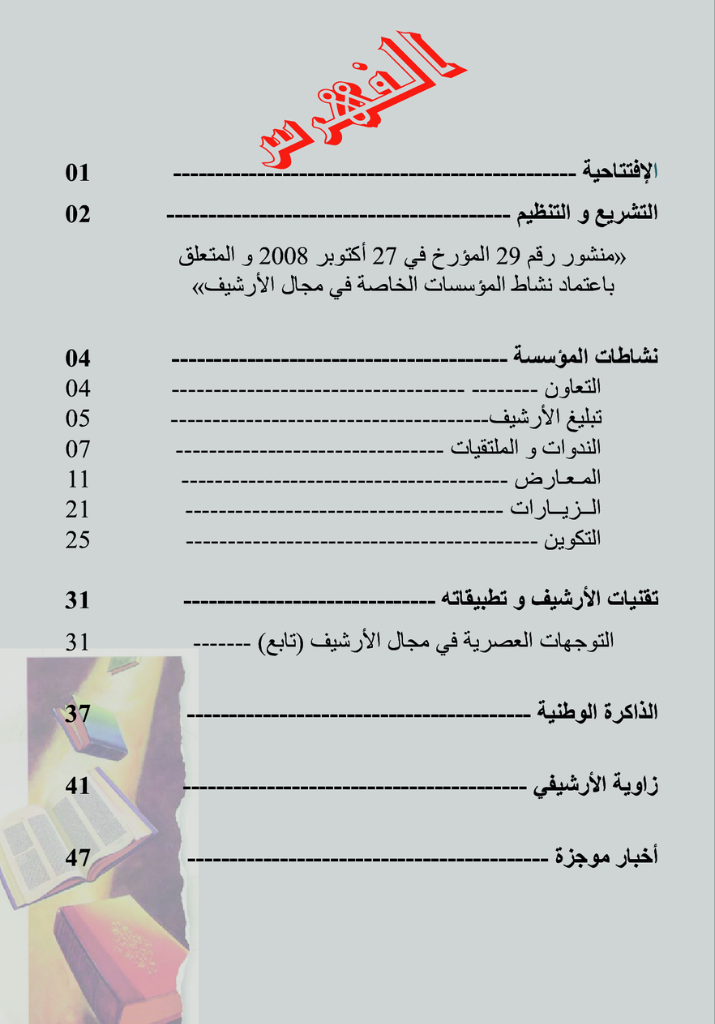
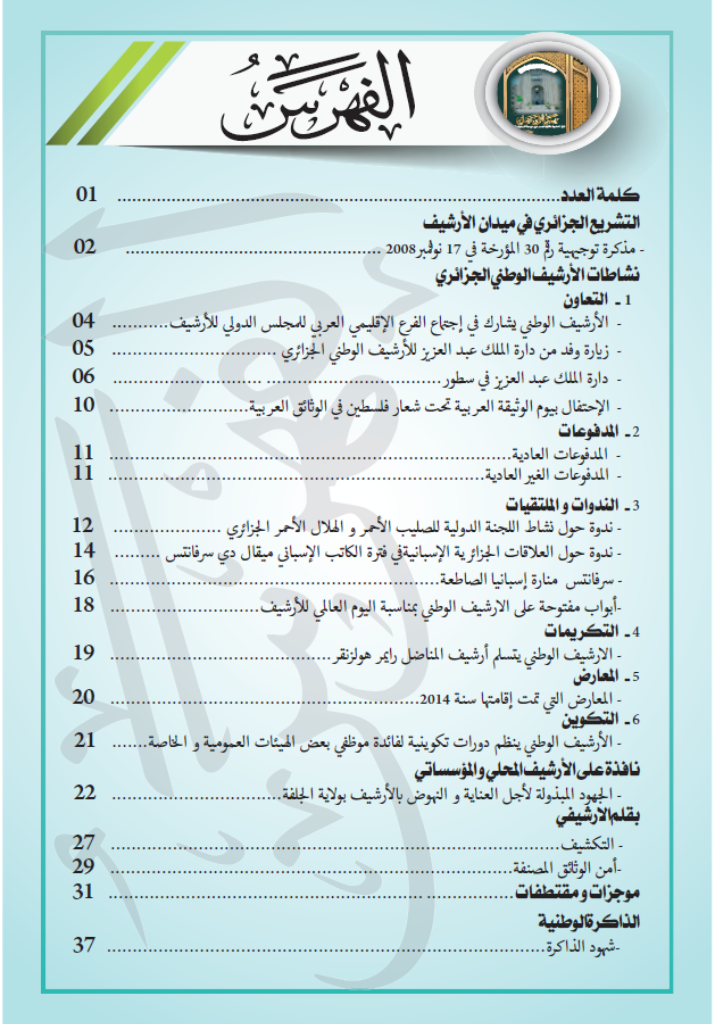
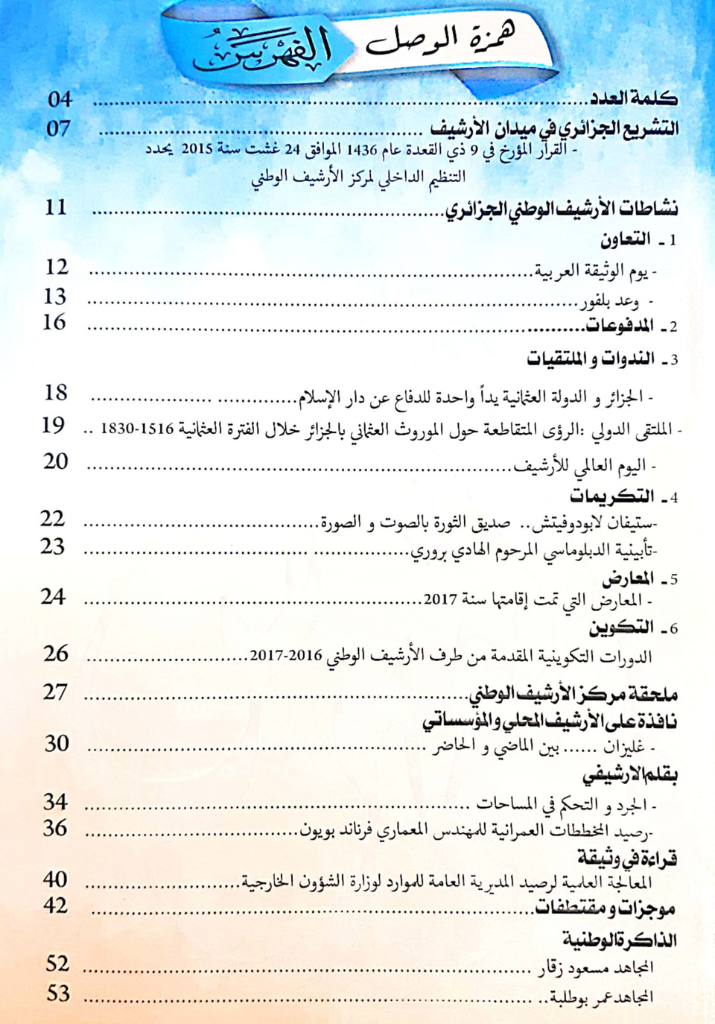
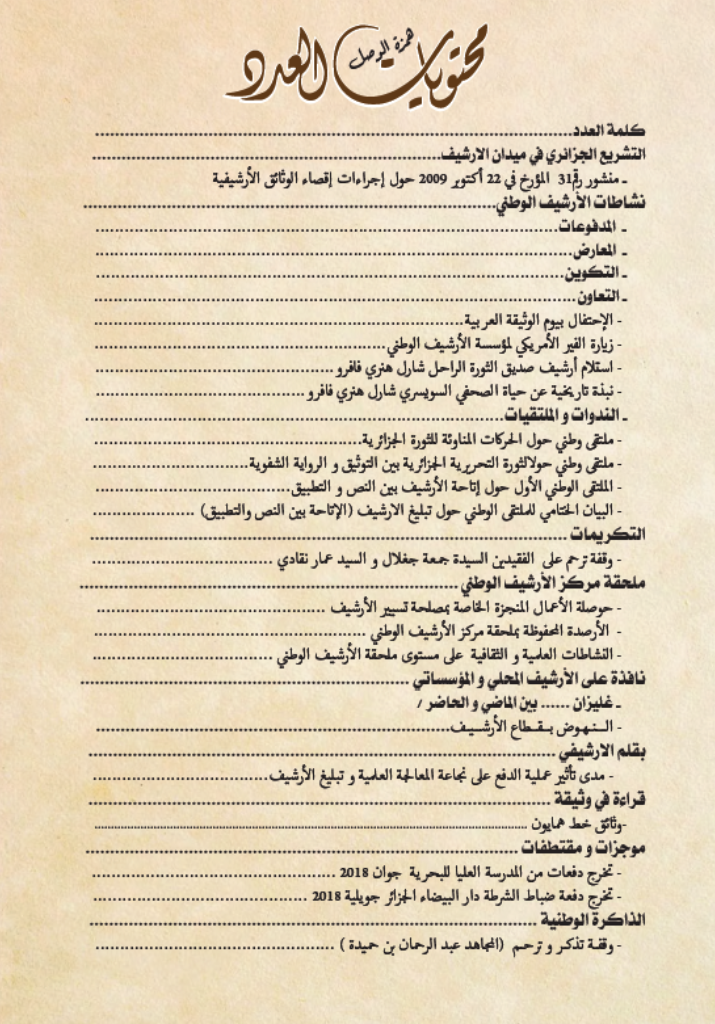
It is an internal publication, published by the National Archives Institution which is a tool of information and training that includes archivists’ experiences, suggestions and the profession they practice and all their activities in archives institutions in Algeria and the world. This publication serves archivists by answering technical and organizational questions asked by people in the profession.
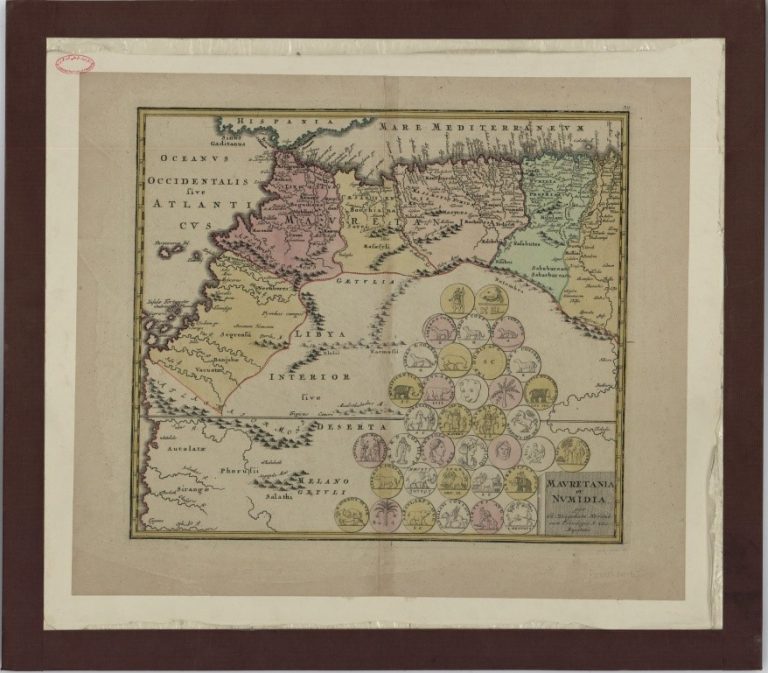
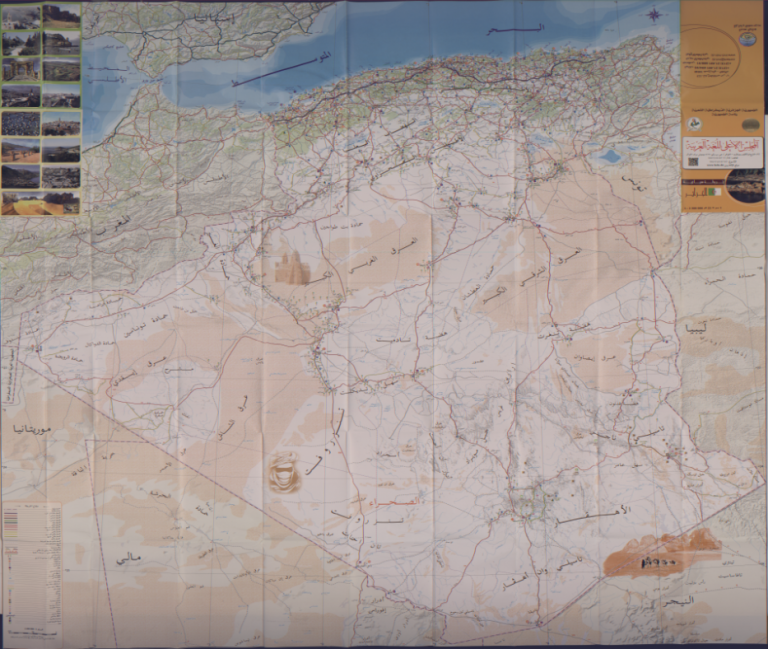
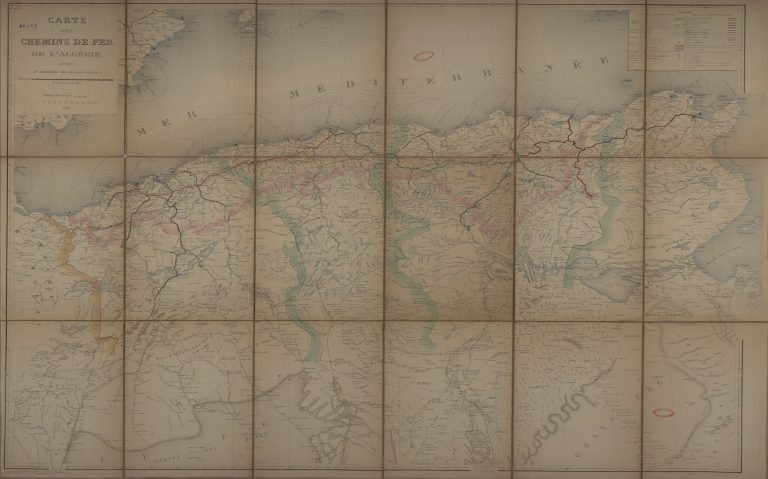
This category of archives includes a very large number of geographic maps, plans and atlases, the oldest geographic map dates back to the year 1509. We can find among the collection of geographic maps (5V) the following categories:
Geographic maps of the world of which size exceeds 1/1000000.
Military maps established by the Military Staff Command during the colonial period for the purposes of war, tactics and military strategies.
Administrative maps representing the administrative boundaries of three departments (Algiers, Constantine, Oran).
Topographic maps representing natural and human phenomena at the right scale such as landforms, vegetation, villages and towns and different facilities in Algeria during and after the colonial period.
Maps showing phenomena related to tourism activity during and after the colonial period.
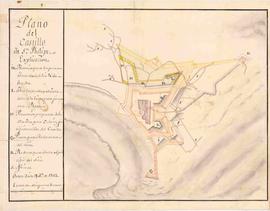
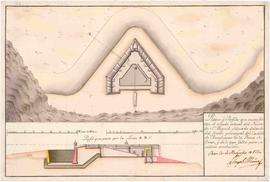
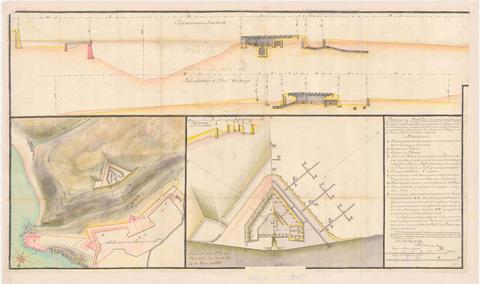
Regarding the series of plans (4V) the oldest document (plan) dates back to 1732, other documents dates go down to 1989; these documents also include the first sketches and technical files, among the series on which researchers rely their historical research we have:
Plans showing the Spanish presence in Oran (plans of the castle of Oran)
Plans of the General Government of Algeria.
The architectural and urban achievements of the French engineer and architect Fernand Pouillon, such as tourist complexes, cities and university residencies.
The general and topographical plans of the municipalities and villages of the three departments (Algiers – Constantine – Oran).
These archives concern the former Prime Minister Abdel Hamid Mehri, national and historical figure, born in 1926 in El Hrouche (Skikda), graduated from Zitouna University, he joined the ranks of the Algerian People’s Party and continued with the movement for Triumph of Democratic Freedoms, to become Minister of Arab Maghreb Affairs in the composition of the first provisional government of the Republic of Algeria, he occupied several positions in the government after independence, namely Minister of North African Affairs, Minister of Information and Culture, and Algerian ambassador to France, he was also head of the National Liberation Front from 1988 to 1996.
This series includes correspondence and telegrams of known Algerian political figures and foreign figures and some cases of the revolution for liberation.
Mahfoudh Benoun Series (2X) 1948 – 1957:
This series represents a bequest from the wife of the late doctor Mahfoudh Benoun; national and historical figure, born in 1936 in Mila, degree in economic and social sciences and doctor in anthropology, author of several research studies published in several foreign journals during the liberation revolution 1955 – 1962, he was a member of the National Advisory Council in 1992. This collection includes 262 archival items. It concerns all the events of the colonial period on the anthropology and the economic and social situation of the Mila region. This series consists of two boxes containing: correspondence, telegrams from known foreign and Algerian political figures, affairs of the revolution for the Liberation.
Algerian Muslim Scouts Series (3X) 1939 – 1991:
The Association of Algerian Muslim Scouts is considered an educational and cultural movement that works to promote the nationalist spirit. This movement was created in 1935 by Mohamed Bourasse, who formed the first team in the capital Algiers under the name “Al Falah” as suggested by El Cheikh Abdel Hamid Ibn Badis. This series includes approximately 461 archival items which shows the historical journey of the association of Muslim Scouts in Algeria during the period of the revolution for liberation. The series revolves around the following subjects: the Federation of Algerian Muslim Scouts, the Cadets of Algerian Muslim Scouts, the federal office of French Scouts, the relationship of French scouts with Algerian scouts, the activities of the teams, and certificates of some leaders of scouts.